Why Lucky Bamboo Leaves Turn Yellow and How to Deal With It
Lucky bamboo (Dracaena sanderiana) is a common indoor foliage plant, with upright stems and emerald green leaves. It can be grown in water or in soil, and is often placed in living rooms, studies and on office desks. It symbolizes good fortune and is very popular. Its environmental requirements are not especially strict, but when care is not right, the leaves easily turn yellow, which spoils its ornamental effect.
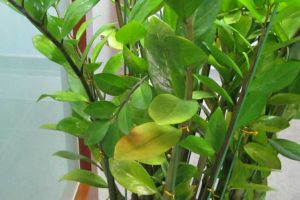
Yellow leaves are mostly related to light, water quality and temperature. Lucky bamboo is suited to a spot with bright, indirect light; long periods of direct sun will scorch the leaves, while long periods of shade will make the leaf color dull and yellow. When grown in water, if the water is not changed for a long time, the water quality deteriorates and the roots rot, which also causes yellow leaves; in winter, too-low temperatures and chilling likewise easily lead to yellow leaves.
After spotting yellow leaves, you can first cut off the leaves that have already turned yellow, then track down the cause. For lucky bamboo grown in water, change the water promptly, clean the container and roots, and cut away blackened, rotted roots; for those grown in soil, check the potting soil, and if it is too wet, control watering appropriately, while if it is too dry, add an appropriate amount of water. At the same time, move the plant to a ventilated spot with indirect light, away from air-conditioning vents and strong direct light.
In daily care, keep up regular water changes, or keep the potting soil alternately drying and moistening, and during the growing season apply a dilute liquid fertilizer, applying light fertilizer frequently. In winter, pay attention to keeping it warm and avoid direct cold drafts. As long as the environment is stable and water and fertilizer are appropriate, the newly grown leaves will generally stay glossy green, and the whole plant's condition can gradually recover.
Related Reading