Why Money Tree Leaves Turn Yellow and How to Deal With It
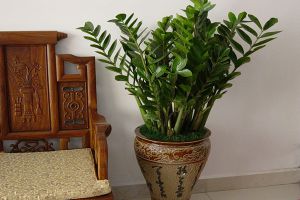
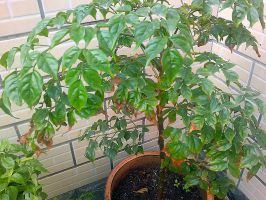
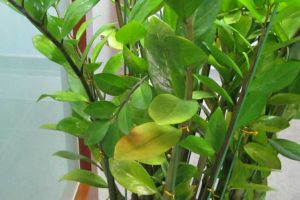
Yellowing leaves on a money tree (Pachira aquatica) are a fairly common problem in home care, and they are usually related to environmental factors such as watering, light and temperature. Yellow leaves mean the plant's growing condition has fluctuated, so you need to observe it promptly and adjust your care routine, otherwise it may progress to leaf drop or even root rot.
Common causes include overwatering, which keeps the potting soil wet for long periods and hinders root respiration, or prolonged underwatering, which dehydrates the leaves and turns them dry and yellow. As for light, the money tree likes bright, indirect light; leaving it in a dark corner for a long time or suddenly exposing it to harsh sun can both cause yellow leaves. In addition, temperatures that are too low, poor ventilation, fertilizer that is too strong, and compacted potting soil can also cause leaves to yellow.
When treating the problem, first identify the cause and then adjust accordingly: if you have been overwatering, reduce watering and loosen the soil, and in serious cases take the plant out of the pot to check the roots, cut away the rotted parts and repot it; if the plant lacks water, replenish it gradually and avoid one heavy soaking. Badly yellowed leaves can be cut off, and the plant should be moved to a spot with good ventilation and indirect light; during recovery, move it as little as possible.
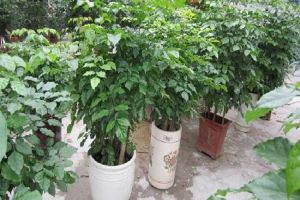
In everyday care, the money tree should be given loose, airy soil, and watering should follow the principle of letting the soil dry before watering again. In winter, keep it warm and protect it from the cold, and avoid direct drafts of cold air. During the growing season, apply light fertilizer frequently, and never use a strong dose that can burn the roots. As long as the environment is stable and care is appropriate, most money trees with yellow leaves will gradually recover their vigor.
Related Reading