Common Causes of Azalea Leaf Drop and How to Fix Them
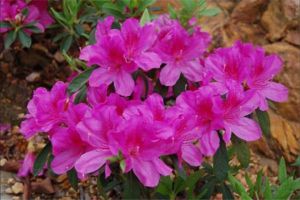
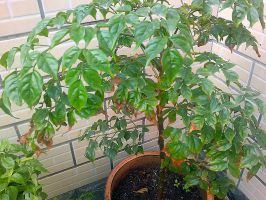
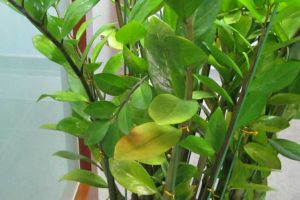
Azalea leaf drop refers to the phenomenon in which leaves turn yellow, dry up and then fall off during care, and it can be divided into two cases: normal metabolism and abnormal leaf drop. A small number of old leaves falling naturally is normal metabolism, but if a large number of leaves drop in a short period, it is mostly related to improper care, and the cause needs to be identified promptly. Common causes include root rot from overwatering, prolonged lack of water, light that is too strong or too shady, soil that leans alkaline, dry air, fertilizer that is too concentrated, and pests such as red spider mites. Azaleas prefer acidic soil and a moist, semi-shaded environment, and their root systems are fine and weak, so they fear both waterlogging and drought; sudden temperature changes or frequent moving can also easily cause leaf drop. When dealing with the problem, first observe the potting soil and the condition of the leaves: if the potting soil has been wet for a long time, reduce watering and loosen the soil; if root rot is severe, remove the plant from the pot, prune the roots and replace the soil with new soil; if the soil leans alkaline, water it with a diluted ferrous sulfate solution or switch to an acidic potting mix; if the air is dry, spray water around the plant to increase humidity; if pests are found, spray pesticide promptly for control and move the pot to a well-ventilated position with scattered light. In daily care, letting the potting soil dry out between waterings, avoiding direct harsh sun and direct cold drafts, and applying light fertilizer frequently can noticeably reduce the occurrence of leaf drop. After just being repotted or moved to a new position, the plant needs some time to adjust; during this period, a slight increase in leaf drop is no cause for excessive worry, and as long as the branches remain plump and new shoots are growing normally, most plants can gradually recover.
Related Reading