An Introduction to the Growing Habits and Care Methods of the Fuchsia
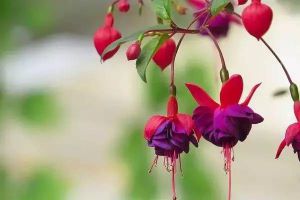
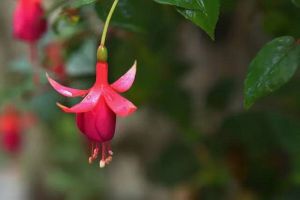
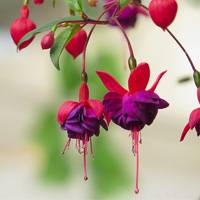
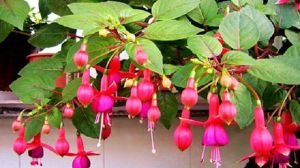
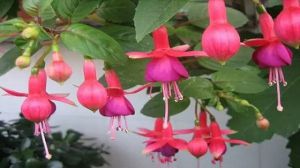
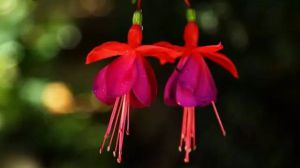
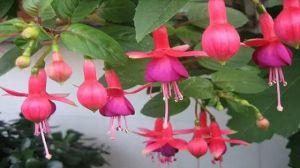
The fuchsia, also known as the lantern flower or hanging bell begonia, is an ornamental plant of the genus Fuchsia in the family Onagraceae. Its flowers open downward, with a tubular calyx and petals that reflex upward, making the whole bloom resemble a hanging little bell or lantern, which is how it got its name. The flower colors are rich, with common varieties in red, pink, purple, white, and two-toned combinations, creating a particularly striking ornamental effect.
The fuchsia is native to Central and South America and is now cultivated all over the world. It prefers a cool, humid climate and dislikes high heat and intense direct sun, growing best in a well-ventilated spot with soft, gentle light. When summer temperatures climb too high, the plant tends to enter a semi-dormant state and needs appropriate shading and cooling.
For routine care, the fuchsia does best in a loose, fertile, well-drained, slightly acidic soil, and watering should follow the principle of watering when dry and stopping when wet, avoiding waterlogged pots. As the plant grows, it can be repotted once every year or two, taking care to disturb the roots as little as possible and to apply plenty of base fertilizer. Besides conventional soil culture, the fuchsia can also be grown hydroponically; during hydroponic culture, be sure to change the water regularly, keep the water clean, and supplement nutrients in appropriate amounts.
During care, if leaf drop occurs, it is most often related to excessively high temperatures, overwatering, or insufficient light, so the cause should be identified promptly and the environment adjusted. With its unique flower shape and long blooming period, the fuchsia is well suited to being grown in pots on balconies, windowsills, and similar spots, and is also often used to decorate courtyards and indoor spaces, making it a very popular flowering plant for the home.
Related Reading