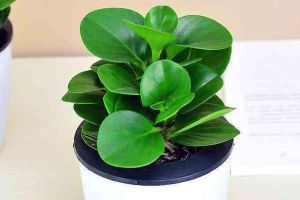
Grow Jade Plant This Way for Glossy Leaves and Easy Care
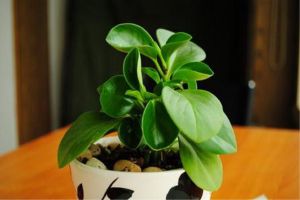
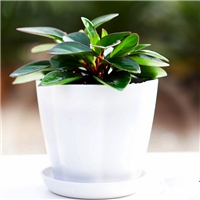
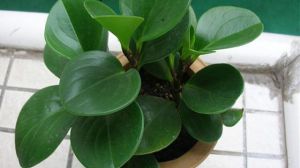
Jade Plant (Peperomia obtusifolia, also known as baby rubber plant) is a perennial evergreen herbaceous plant in the genus Peperomia of the family Piperaceae. Also called doubanlv or pepper grass, it has thick, rounded leaves with a glossy sheen and a small, compact growth habit, making it a very popular indoor foliage plant. It has quite a few varieties; besides the common green-leaved type, there is also the purple-edged jade plant with purplish-red leaf margins, each with its own ornamental appeal.
For daily care, Jade Plant prefers a warm, humid, semi-shaded environment and dislikes direct strong sunlight, so it is best placed on a windowsill or desk with scattered light. Water on the principle of letting the soil dry before watering again, keeping the potting soil slightly moist, and strictly avoid waterlogging that causes root rot. In dry weather, mist the leaves to raise humidity. When winter temperatures drop, move it indoors for warmth and reduce watering appropriately.
Its propagation is fairly simple, commonly done by leaf cuttings or division, with a high survival rate that even beginners can manage. With proper care, Jade Plant develops deep green, lustrous leaves; placed on a desk or in the living room, it both accents the space and adds a touch of nature to the indoors.
As for common problems, if the leaves turn yellow and soft, it is usually caused by overwatering or waterlogged potting soil, so you need to cut back on water and loosen the soil; if the stems and leaves grow leggy and the plant looks loose, it is usually due to insufficient light, so you can appropriately increase scattered light. Many people wonder about the difference between jade plant and doubanlv; in fact, they generally refer to the same plant, just under different names, so there is no need to agonize over it when buying.
Related Reading