An Introduction to the Characteristics and Care Methods of the Northern Yew
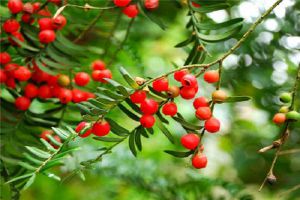
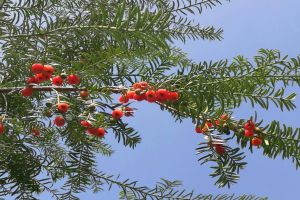
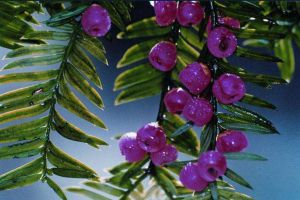
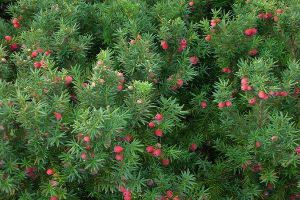
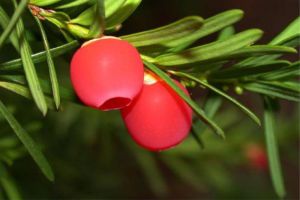
The northern yew generally refers to the Northeast yew (Taxus cuspidata) distributed in the northeast region of China. It is an evergreen tree of the genus Taxus in the family Taxaceae, also called the Japanese yew. Its most prominent feature is its strong cold tolerance, as it can overwinter normally in the cold northern climate, making it one of the few yew species suitable for open-field cultivation in the north. The plant grows slowly, with an upright tree form and fine, dense, dark green leaves. After autumn, female plants produce seeds wrapped in bright red cup-shaped arils, giving it high ornamental value.
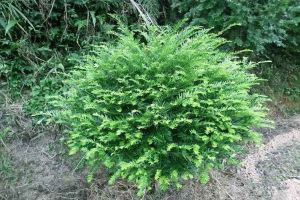
Compared with the southern yew (Taxus wallichiana var. mairei), the northern yew has shorter leaves arranged more tightly and stronger cold tolerance, while the southern yew is mainly distributed in the Yangtze River basin and areas to the south, with relatively broad and long leaves. The Maire yew (Taxus x media) is a hybrid-origin variety, mostly shrub-like with fine, dense branching, and is often used in landscaping and potted cultivation. The three differ in cold tolerance, plant form and uses, so when purchasing you can decide based on your local climate conditions.
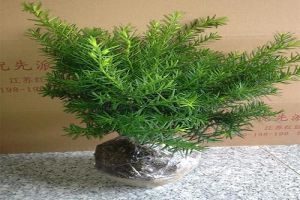
For care, the northern yew prefers a cool, humid, semi-shaded environment, and dislikes strong direct sunlight as well as long-term waterlogging in the potting soil. A loose, fertile, well-drained, slightly acidic soil is best; for potted plants, you can mix leaf mold with garden soil and river sand. Water according to the principle of watering when dry and letting it dry out between waterings. During the growing season, apply light fertilizer frequently, mainly using well-rotted organic fertilizer or a compound fertilizer with balanced nutrients, and avoid strong fertilizer that can damage the roots. For specific soil mixing and fertilizing methods, you can refer to related articles on this site.
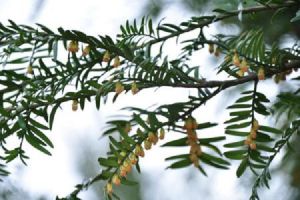
It is worth noting that the yew is a dioecious plant. If you want to enjoy the red fruits in home potting, it is best to plant male and female plants together to facilitate pollination. Plants of the genus Taxus are nationally protected wild plants, and wild resources may not be dug up or traded at will; cultivated plants should be artificially propagated seedlings. Because it grows slowly and has a long lifespan, it can be used both as a courtyard landscaping tree and pruned into a bonsai. Overall, its care difficulty is not high, making it suitable for northern gardening enthusiasts to cultivate over the long term.
Related Reading