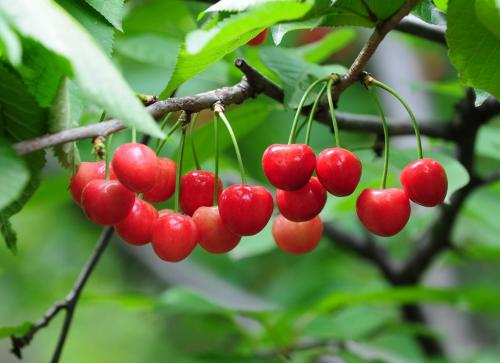
Cherry nutrition and dietary taboos: how much is appropriate to eat at one time
Domestically grown cherries today are excellent in taste and quality. Do you like eating cherries? Then do you know what nutrients cherries contain and how much is appropriate to eat? The iron in cherries can improve iron-deficiency anemia; protein, sugar, phosphorus, carotenoids and vitamin
Domestically grown cherries are excellent in taste and quality today. Do you like eating cherries? Then do you know what nutrients cherries contain and how much is appropriate to eat?
The iron in cherries can improve iron-deficiency anemia; protein, sugar, phosphorus, carotenoids and vitamin C can beautify the skin, delay aging and prevent colds; rich dietary fiber can promote gastrointestinal motility; anthocyanins can act as antioxidants. The main component of cherries is sugar, and they also contain small amounts of vitamins and minerals. They are characterized by low acidity and good taste. In addition, the stem has a diuretic effect and also has an anti-inflammatory effect on bronchitis.
The iron in cherries can improve iron-deficiency anemia; protein, sugar, phosphorus, carotenoids and vitamin C can beautify the skin, delay aging and prevent colds; rich dietary fiber can promote gastrointestinal motility; anthocyanins can act as antioxidants. The main component of cherries is sugar, and they also contain small amounts of vitamins and minerals. They are characterized by low acidity and good taste. In addition, the stem has a diuretic effect and also has an anti-inflammatory effect on bronchitis.
Cherries contain anthocyanins and proanthocyanidins, which can promote blood circulation and prevent harmful enzymes from destroying collagen. When blood circulation is good, uric acid excretion becomes more normal. When collagen is intact, the tissue's ability to resist inflammation is also enhanced.
Cherries are not suitable to be eaten with nuts, because cherries are rich in iron while nuts contain vitamin E. Eating them together often may hinder the absorption of vitamin E and easily lead to problems such as varicose veins and bruising.
The appropriate amount of cherries to eat each time is 9 pieces (about 85 grams). If eaten in excess, it will increase body weight and easily cause obesity. Cherries are a berry-type fruit and are easily damaged. The best storage environment is a freezer at -1°C. They should not be washed for too long, and must not be soaked, to avoid the skin rotting and fading.