What is the difference between Calamondin and Kumquat? Is Calamondin very sour?
Calamondin, we all know this type of orange variety, so what characteristics does it have? What about the difference in taste between Calamondin and Kumquat?
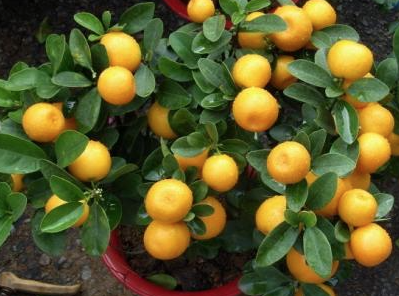
Calamondin looks like a kumquat in size, shape and color. In tropical environments, it can stay green when fully ripe, but in most other climates it produces a rich orange color. It has a very thin adherent skin, with five to ten seeds and seven to nine segments. Even when fully ripe it is acidic and should not be eaten whole like a kumquat. Instead, it is usually used only as a juicing citrus.
The difference between Calamondin and Kumquat
Leaf difference: The leaf color of Calamondin is dark green, and the leaves are relatively small; the leaf color of Kumquat is dense green, and the leaves are somewhat larger than the former, with a length of 5 to 11 cm. Fruit difference: The exterior color of the Calamondin fruit is orange-yellow, and the fruit is a bit smaller; the exterior color of the Kumquat fruit is orange-yellow to orange-red, appearing more toward red, and it is a bit larger than the former.
Seasons/Availability
Calamondin limes are available year-round in tropical Asian climates. In North America, they can be used from winter to spring.
Current Facts
Calamondin is a cross between a sour, loose-skinned mandarin and a kumquat, thus technically making it an orange. Its botanical name is somewhat confusing, and the Philippines is the world leader in Calamondin production, known as Calamansi, producing 40,000 tons per year.
Applications
Calamondin limes are commonly used to season foods in Southeast Asian cuisine, much as lemons or limes are used elsewhere in the world. The pure juice is usually pasteurized and bottled as a beverage or concentrate. The whole fruit can be preserved in jellies, jams or marmalades, and used as a marinade and in custards as an exotic lemon curd substitute.
Geography/History
Calamondin was most recently cultivated in China. Today, it thrives throughout East Asia in Indonesia, Malaysia, Thailand and the Philippines. It is very cold-hardy and is often grown in gardens outside its native tropical climate.