What Is the Valencia Orange Like? Introduction to a New Imported Variety and Its Harvest Period
Do you like eating oranges? Then do you know which orange varieties there are? Have you ever heard of the Delta Valencia orange variety? This orange variety has a fairly long history, so let's take a look together! An original work produced in South Africa in 1952. Compared with other Val
Do you like eating oranges? Then do you know which orange varieties there are? Have you ever heard of the Delta Valencia orange variety? This orange variety has a fairly long history, so let's take a look together!
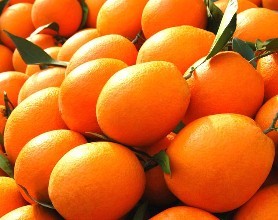
An original work produced in South Africa in 1952. Similar to other Valencias, but with a slightly more upright shape. For our market, a very good yield of popular-sized fruit, namely: mainly 68 to 78 mm. If grown too vigorously, the fruit can be slightly elongated with a slightly raised shoulder. TSS levels are slightly lower than other Valencias, and on rough rootstocks such as rough lemon they may be unacceptably low. Eating quality on Troyer is very good - both TSS and fiber strength (rag) are important. Acid levels drop early, and Delta can be picked 2 to 3 weeks earlier than most other Valencias. Delta is completely seedless, with an attractive, smooth rind.
An original work produced in South Africa in 1952. Similar to other Valencias, but with a slightly more upright shape. For our market, a very good yield of popular-sized fruit, namely: mainly 68 to 78 mm. If grown too vigorously, the fruit can be slightly elongated with a slightly raised shoulder. TSS levels are slightly lower than other Valencias, and on rough rootstocks such as rough lemon they may be unacceptably low. Eating quality on Troyer is very good - both TSS and fiber strength (rag) are important. Acid levels drop early, and Delta can be picked 2 to 3 weeks earlier than most other Valencias. Delta is completely seedless, with an attractive, smooth rind.
In 1986, Etienne Rabe: Midknight Valencia is better than Delta and is also completely seedless.
Citrus Industry Handbook 1 (1967):
“This South African variety produces a high-quality seedless fruit, similar to Valencia but maturing slightly earlier. The tree is vigorous and productive. Delta originated from a veld seedling. It is considered to be a parent-offspring relationship of Valencia, and was discovered in 1952 by A. Smith, government entomologist, in Rustenburg in the western Transvaal Province. It was considered promising and has already been planted to some extent.“
Availability: commercialized in California through the Citrus Clonal Protection Program.
Source: budwood received from South Africa in 1985.
Parentage/origin: parents unknown.
Accessioned rootstocks: Carrizo citrange, C-35 citrange
Riverside maturity season: March to July
Notes and comments: 1986, EMN: import went directly into thermotherapy; no pre-indexing.
This orange variety is probably not grown in our country, but you should go and taste this orange, because this orange tastes very good, sweet and delicious.