-

Domestic timber to break through 5% self-sufficiency by 2027! Acacia, zelkova, China fir, Taiwania, and Taiwan incense cedar: five native tree species lead the way
Domestic timber to break through 5% self-sufficiency by 2027! Acacia, zelkova, China fir, Taiwania, and Taiwan incense cedar: five native tree species lead the way
-
Differences Between Zelkova and Elm, Sapling Prices, Planting, and Bonsai Pruning and Care
Zelkova is also called large-leaf zelkova, red zelkova, green zelkova, white zelkova, blood zelkova, golden-thread lang, sand lang tree, and hairy-veined zelkova. It is a deciduous tree species in the genus Zelkova of the elm family, and is a national second-class key protected plant. So what are the differences between zelkova and elm? How much does a sapling cost? How do you plant it
-
Is the zelkova an evergreen or a deciduous plant?
Zelkova, also known as the chicken-fat tree, combines ornamental and medicinal value. Although it grows slowly, its wood is very good, so it is planted in most parts of our country. So is the zelkova an evergreen or a deciduous plant? 1. Is the zelkova an evergreen or a deciduous plant? The zelkova is a deciduous tree plant. The tree can reach a height of
-
Is the zelkova tree evergreen or deciduous? An analysis of the zelkova tree's leaf characteristics
The zelkova tree has a dignified and elegant form, with a tall and majestic shape. It is an excellent ornamental garden tree, and is also often planted along sidewalks to reduce noise and block dust. Because the zelkova tree and the elm are both plants of the Ulmaceae family and look similar, they are often confused. So, is the zelkova tree evergreen or
-
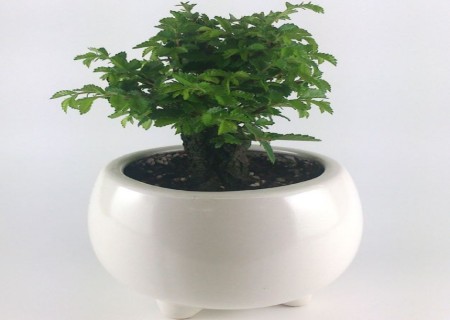
What are the pruning methods for a zelkova bonsai?
Zelkova bonsai has the characteristics of strong sprouting ability, tolerance to pruning and high ornamental value, so it is deeply sought after by bonsai enthusiasts. But to turn a potted zelkova into a bonsai with a certain ornamental value, the necessary maintenance and management methods are indispensable. Soil mixing, light and temperature, and water and fertilizer management are of course essential
-
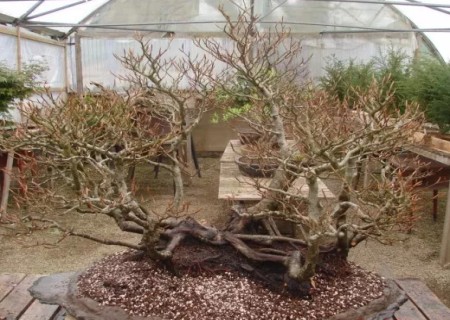
How to repot a Japanese zelkova (Zelkova serrata) bonsai? Master the correct repotting method
When a bonsai tree grows too long in a limited potting-soil environment, the fertility gradually runs out over time, and the potting soil also becomes increasingly compacted, so air and water permeability are both seriously affected. Therefore, repotting a bonsai tree at the right time is the foundation for ensuring it continues to grow well. Japanese zelkova bonsai is no exception.
-
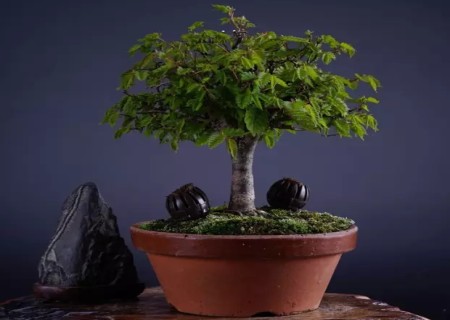
How to grow a zelkova bonsai? Detailed cultivation methods and precautions
Zelkova is a sun-loving tree species, so it prefers a sunny and warm growing environment and is suited to deep, fertile and moist soil, but it is highly adaptable to soil, so its soil requirements are not strict; it can survive in acidic, neutral or alkaline soil environments
-
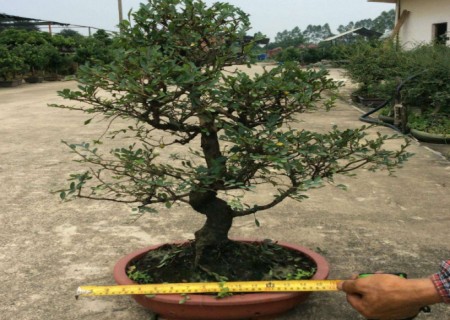
How to make a zelkova bonsai? A detailed guide to the complete production method
Wild zelkova trees often have tall and majestic forms, broad crowns, and very graceful shapes. Their leaf color can change richly with the seasons, and during the vigorous growth period they form dense green shade. They are widely used in landscaping and other fields and are an important ornamental tree species. In addition to surrounding outdoor landscapes, the tree form can also be appreciated as a bonsai.
-
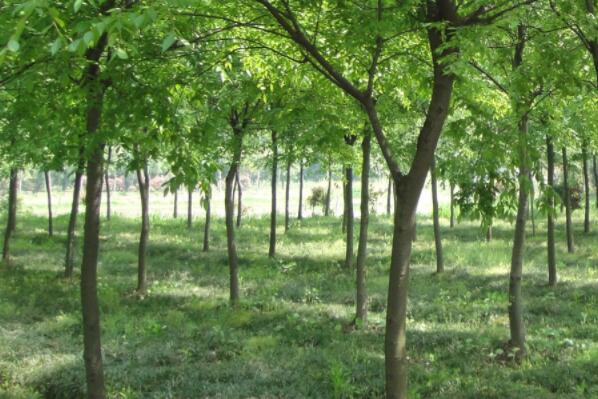
Differences Between Zelkova and Elm, Sapling Prices, Planting, and Bonsai Pruning and Care
Zelkova is also called large-leaf zelkova, red zelkova, green zelkova, white zelkova, blood zelkova, golden silk lang, sand lang tree, and hairy-veined zelkova. It is a deciduous tree species in the genus Zelkova of the elm family and is a national second-class key protected plant. So what are the differences between zelkova and elm? How much is a sapling? How do you plant it? How do you prune and care for a bonsai?
条件筛选