What are the pruning methods for a zelkova bonsai?
Zelkova bonsai has the characteristics of strong sprouting ability, tolerance to pruning and high ornamental value, so it is deeply sought after by bonsai enthusiasts. But to turn a potted zelkova into a bonsai with a certain ornamental value, the necessary maintenance and management methods are indispensable. Soil mixing, light and temperature, and water and fertilizer management are of course essential, but pruning methods are even more important.
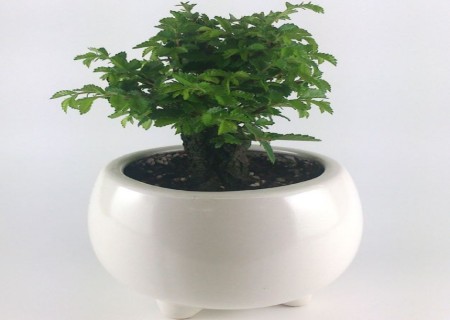
Scientific and reasonable pruning is one of the important prerequisites for ensuring that the plant maintains good growth, and it is also one of the most common and good methods for shaping a bonsai. Whether the pruning is done well or not not only directly affects the growth state of the zelkova, but also affects its ornamental effect. So, how do you prune a zelkova bonsai? Today the editor will tell you about the pruning methods for zelkova.
Zelkova is generally pruned during the spring and autumn growth period and the winter dormant period, and the frequency of pruning should gradually increase with the age of the bonsai tree. Pruning mainly revolves around aspects such as the trunk and branches.
1. Pinching
A zelkova growing freely in the wild is tall and majestic, so it is naturally not suitable as a bonsai. Therefore, in order to control the growth height of the zelkova and make it more suitable for making a bonsai, we first need to achieve this goal through pinching. The timing of pinching is often when the zelkova has grown a base trunk and sprouted a certain number of adventitious buds, and the adventitious buds should be wiped off at any time to avoid the sprouting of forked branches.
2. Leaf removal
If you want to turn a zelkova into the bonsai material we need, in addition to pinching, leaf removal is also very important. It is usually carried out when it first begins to sprout new buds, that is, promptly removing excess leaves when spring begins, or removing them in April-May when the leaves have grown more. But the safer method is to remove leaves at the right time and in the right amount, otherwise removing too many or too few is unfavorable.
3. Branch pruning
In spring and summer, the zelkova will sprout a large number of main branches, side branches, crossing branches and various other forms of branches. During this period we should strengthen the pruning of these branches. Sometimes a small number of diseased and pest-infested branches also appear, and we need to cut them off as well. After entering winter, it is the best period for us to shape the zelkova, and everyone can prune out the tree shape effect we need. Of course, during this period many dead branches and diseased and pest-infested branches will appear, and they should all be cut off in time.
4. Root pruning
Friends who have experience in growing potted flowers and plants have generally gone through the process of root pruning. If the plant has too many roots, it will not only make the inside of the pot appear crowded, but also affect the normal growth of the potted plant. Therefore, proper root pruning is an important measure to ensure that the plant maintains good growth. Of course, root pruning is mostly carried out together with repotting, and after proper root pruning, a somewhat larger pot is often needed.
5. Pruning
Pruning of the zelkova is generally carried out within 2 weeks after the end of its flowering, and light pruning can also be done appropriately during April-May, mainly to cut off those branches and leaves that affect the beauty of the shape. If pruning is carried out in winter, it is mostly focused on shaping the bonsai zelkova, and at the same time cutting off dead branches and fallen leaves, diseased and weak branches, etc.
What everyone needs to be reminded of is that in order to avoid infection of the plant's wounds and affect the plant's growth, after completing the pruning everyone should promptly disinfect and sterilize the wounds. Pruning is a rather time-consuming and labor-intensive task, but if everyone masters this skill well, it will be of great help to our improvement in bonsai techniques; but if the pruning is not done well, it will inevitably affect the plant's growth and ornamental value, so we need to treat it seriously.