-

What Are Sharks Afraid Of? Unveiling the Natural Enemies and Weaknesses of Sharks
Fish fear sharks, while sharks fear dolphins. In groups, dolphins join forces and organizedly besiege a shark, taking turns striking the shark's flanks with their powerful snouts. Because a shark's skeleton is soft and its ability to protect its internal organs is poor, the clever dolphins seize on its vital weakness and desperately
-
What Are Killer Bees Afraid Of? Learn About Their Natural Enemies and Weaknesses
Killer bees, also known as African honey bees, have a relatively strong lethal impact on humans and livestock, and the main harm caused by African honey bees lies in their aggressiveness. So what are they afraid of? How do you deal with a sting? 1. What are killer bees afraid of? Killer bees are afraid of severe cold and smoke, because severe cold weather will freeze them to death, and smoke can also suffocate them. In addition, hunger or microorganisms can also cause the death of killer bees. And phorid flies are the nemesis of bees, and killer bees are no exception.
-
-
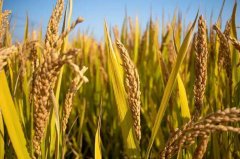
Rice Taikeng 17: Disadvantages, Weaknesses, and Variety Characteristics
Rice is one of our staple foods, and the cultivation of rice and the breeding of new varieties are very important. Do you know the rice variety Taikeng 17? Variety Characteristics I. General Agronomic Traits Taikeng 17 is a medium-late maturing variety. Its growth duration (from transplanting to maturity) is 127 days for the first crop and 112 days for the second crop, similar to the currently most widely cultivated Tainung 67; the tip of the glume is light yellow, the grain color is light yellow, awnless, and the grain shape is medium; the plant height is medium, averaging 104.2 cm for the first crop and 102.4 cm for the second crop; the average number of panicles per hill is 16.9 for the first crop and 14.0 for the second crop; the average number of grains per panicle is 91.6 for the first crop and 100.0 for the second crop; the 1000-grain weight is 23.7 g for the first crop and 24.3 g for the second crop; all of the above traits are also similar to those of Tainung 67. The fertility rate is 78.2% for the first crop and 77.2% for the second crop.
-
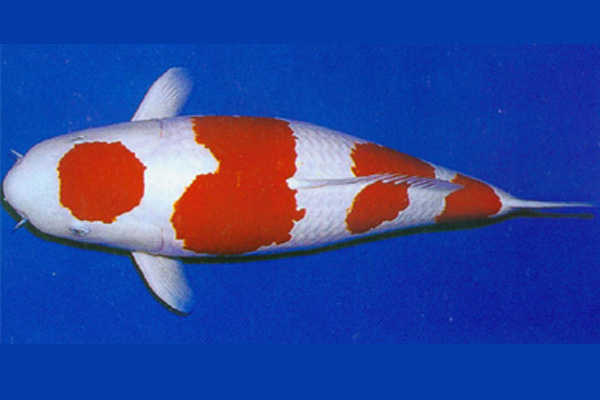
Causes of Koi Weakness and Prevention and Treatment of fin and tail rot disease
Treatment must first begin with confirming the disease, so the symptoms of koi fin and tail rot during the onset period are: first, the edges of the fins show a slight opaque appearance, then the membrane continuously peels off, exposing the fin rays, and the fin rays split one after another; if left untreated...
-
What are the six fatal weaknesses commonly found in family-farm-style pig farms?
Six fatal weaknesses commonly found in family-farm-style pig farms
-
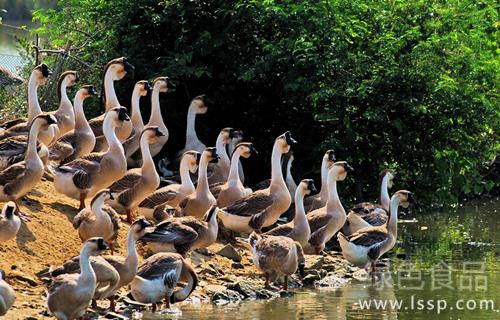
The goose is completely paralyzed with a drooping head and weakness; how to prevent botulism poisoning?
The goose is completely paralyzed with a drooping head and weakness; how to prevent Clostridium botulinum poisoning in geese
-

What Is a Weasel Afraid Of? Understanding the Weasel's Weaknesses in One Article
What is a weasel afraid of?
-
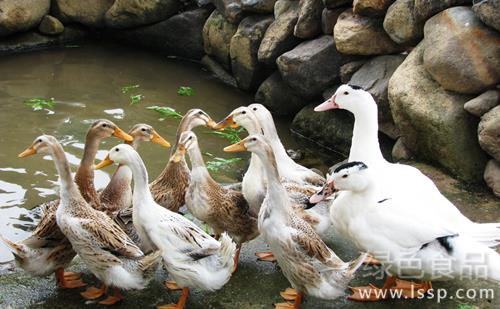
During continuous rainy spells, guard against duck soft-leg disease: weakness in both legs and swollen joints are warning signs
Diseased ducks have weak legs and swollen joints; during continuous rainy spells, guard against duck soft-leg disease
-
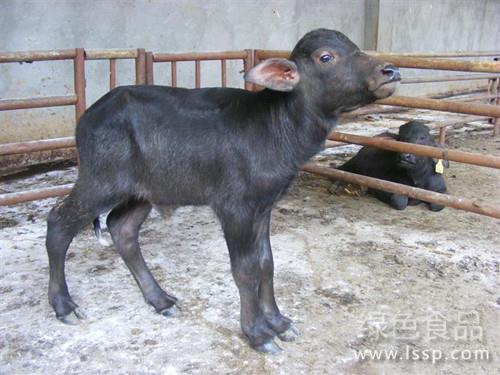
How to prevent and treat calf indigestion with diarrhea, weakness, lethargy and coma
Prevention and treatment of calf indigestion with diarrhea, weakness, lethargy and coma
条件筛选