How to prevent and treat calf indigestion with diarrhea, weakness, lethargy and coma
Calf digestive dysfunction is collectively called indigestion. Indigestion is one of the common gastrointestinal diseases in suckling calves, characterized by diarrhea. This disease causes great harm to the growth and development of calves, so it must be cured promptly. The cause of the disease must be clearly identified, and comprehensive prevention and treatment measures must be taken to treat the symptoms with the right medicine for it to be effective.
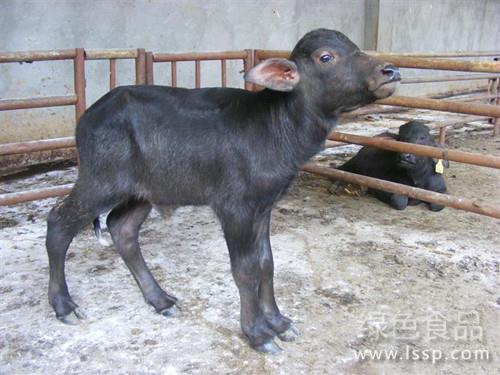
Calf
1. Causes:
1. Improper feeding and management of cows and calves: The disease mostly occurs shortly after suckling colostrum or 1-2d later. If calves cannot get colostrum or get insufficient colostrum, the immunoglobulins that form antibodies in the body will be deficient, leading to low disease resistance in calves. If the teats or feeding utensils are not clean, if artificial feeding is insufficient, if the milk temperature is too high or too low, or if the transition from milk feeding to feed feeding is poor, all of these can cause the disease.
2. Incomplete nutrition in pregnant cows: In particular, deficiency of protein, vitamins and minerals can cause nutritional metabolic disorders in cows, affect the normal development of the fetus, and lead to poor development, weak constitution and low resistance in calves. For example, when breast milk lacks VA, it can cause keratosis of the epithelial mucosa of the calf digestive tract; when VB is insufficient, it can cause gastrointestinal motility disorders; when VC is lacking, it can weaken the secretory function of the calf stomach.
3. Poor environment: such as excessively low temperature, damp pens, lack of sunlight, stuffy and crowded conditions, poor ventilation, etc.
2. Clinical symptoms:
The disease is characterized by diarrhea. In the early stage, calves are still in good spirits; as the condition worsens, corresponding symptoms appear. The diarrheal feces are pasty or watery, yellow or dark green, with loud bowel sounds and symptoms of bloating and abdominal pain. When dehydrated, the heartbeat speeds up, the skin loses elasticity, the eyeballs sink, and the calf becomes weak and unable to stand steadily. When the intestinal contents ferment and putrefy and toxins are absorbed, causing autointoxication, neurological symptoms may appear, such as excitability and spasms, and in severe cases lethargy and coma.
3. Prevention:
Strengthen the feeding and management of cows during pregnancy, especially in the late pregnancy period, and provide sufficient nutrition to ensure the supply of protein, vitamins and minerals; improve hygiene conditions and feeding and nursing measures; after calves are born, they should receive colostrum as early as possible, and the pens should be protected against cold and kept warm while also being ventilated and allowing light through. Clean and disinfect regularly, replace bedding straw, etc.
4. Treatment:
1. Implement fasting therapy: withhold milk for 8-10h, during which oral rehydration salts may be given, namely sodium chloride 3.5g, potassium chloride 1.5g, sodium bicarbonate 2.5g, glucose 20g, add water to 1l, and supply at 50-100ml/kg.
2. Remove gastrointestinal contents: use laxatives or warm water enema to remove the calf's gastrointestinal contents, promote digestion, and supplement pepsin and an appropriate amount of VB and VC.
3. Administer antibacterial drugs: To prevent intestinal infection in calves, kanamycin 0.005-0.01g/kg body weight may be given. To prevent intestinal putrefaction and fermentation, preservative and anti-fermentation drugs such as creolin, ichthammol and potassium permanganate may also be used appropriately.