-

Grouper prices fall below the cost line, and this year's farming outlook remains unfavorable
Grouper prices fall below the cost line, and this year's farming outlook continues to be unfavorable
-
Four unfavorable factors in paddy field management
1. The time for land preparation and field soaking is short, the clods are large, and seedlings are transplanted before the soil is thoroughly soaked; salt removal and alkali washing are incomplete, making salt damage likely and harming seedling growth and development. 2. This year there are many windy days and cloudy days with large temperature differences, so the seedlings cannot be properly ventilated and hardened, which is unfavorable for recovery after transplanting. 3. The masses have a relatively strong fear of water, transplanting in deep water and managing with deep water, which is unfavorable for raising soil temperature after transplanting, early rooting, early seedling growth, and early tillering. 4. Water stored from last winter to this spring is of poor quality, and soil salinity is high, making the rice growing environment unfavorable.
-
There is an art to spraying cotton, and methods matter even more in unfavorable weather
When spraying pesticides on cotton to control pests and diseases, unfavorable weather often affects spray quality, reduces control effectiveness, and can even cause pesticide damage. In response to this situation, in production practice I have adopted the following countermeasures according to different weather changes and achieved relatively good control results. Windy days On windy days, spraying pesticides causes uneven pesticide coverage on cotton plants, affecting control effectiveness. In response to this situation, pesticide varieties with systemic action and strong penetration can be selected. When spraying, the nozzle should be closer to the cotton plants to prevent the spray mist from being blown away by the wind and causing loss,
-
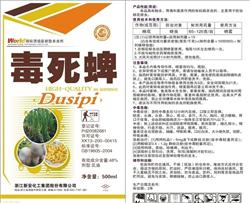
What unfavorable weather conditions should be avoided when applying pesticides?
What do the letters on a pesticide label mean? Here is an introduction: (1) pH: indicates acidity and alkalinity. When the pH value equals 7, it is neutral; above 7, it is alkaline, and the larger the number, the stronger the alkalinity. Below 7, it is acidic, and the smaller the number, the stronger the acidity; (2) PPm: parts per million concentration. That is, the number of pesticide parts contained in 1 million parts of liquid or powder; ...
-
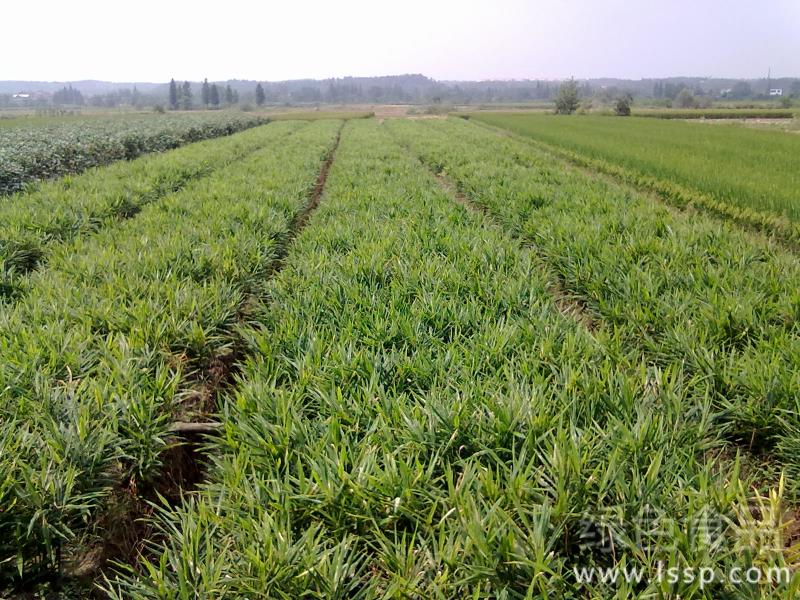
High temperatures are unfavorable for ginger to overwinter through summer, so how can planting management be done well?
High temperatures are unfavorable for ginger to overwinter through summer; how to plant and manage summer-cultivated ginger
-
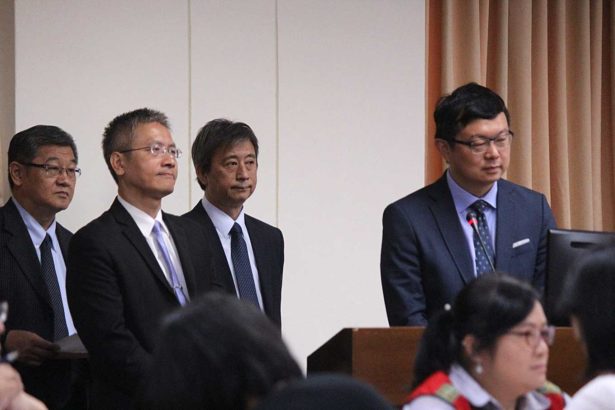
Joint hiring of agricultural and fishing workers criticized by southern legislators as unfavorable to the fishing side; Council of Agriculture: still in negotiations and planning
Southern legislators blast "joint hiring of agricultural and fishing workers" as unfavorable to the fishing side; Council of Agriculture keeps a low profile: still in negotiations and planning
-
-
In October, surface soil moisture was poor across most of the northern wheat region, unfavorable for wheat sowing
Since September, temperatures across most of the northern winter wheat region have been close to slightly above the same period in normal years, with ample sunshine, and the maturity period of autumn-harvested crops has been close to normal or slightly earlier; at present, deep soil moisture is relatively good across most of the northern winter wheat region, laying a good foundation of subsoil moisture for winter wheat sowing and emergence; however, in recent
条件筛选