Peanut oil and camellia oil prices remain stubbornly high, with unfavorable weather as the main cause
Last October the Da Tong Chang Chi oil-adulteration scandal broke, and this year there were again cases of swill oil and feed-grade lard. Many businesses simply posted signs at their doors: "This shop does not use lard; we use vegetable oil instead." But this year the second-crop peanuts in Yunlin were heavily infected with southern blight, cutting the harvest by 20 percent, and peanut oil prices have stayed stubbornly high, at 3 to 400 yuan per jin. It never rains but it pours: this year tea seed was affected by low rainfall, hurting quality and oil yield, and prices rose 20 to 30 percent, with a 500c.c. bottle of camellia oil reaching 1200 to 1500 yuan.
Yunlin peanuts hit by southern blight, peanut harvest down 20 percent, some farmers plow almost everything under
The second-crop peanut harvest is under way right now, yet word of southern blight damage has come out of the main production area, Yunlin, where large numbers of peanut pods have developed black spots and rot, drying up and dropping off severely. Cai Guohe, a peanut farmer in Dapi, Yunlin, said this year there were simply "no peanuts at all"; the peanuts he dug up had all rotted, and his harvest was less than 20 percent of usual. Last year peanut prices were more than 30 yuan, and this year they are a bit better, but he can only look on helplessly, saying, "I didn't harvest anything at all!"
Wu Yiyuan, a farmer in his seventies from Sihu Township, also said that in 60 years of farming he had never seen such serious losses. Previously each fen of land yielded about 5 to 600 jin, but this year it all dropped away, with less than 100 jin harvested. The damage in the coastal areas is severe, and some people have even plowed everything under; peanut oil prices will probably rise again this year.
According to data from the Bureau of Animal and Plant Health Inspection and Quarantine of the Council of Agriculture, southern blight is a fungal disease that can spread through soil, seeds and diseased plant residues. It has a wide host range and harms more than 131 crops in the country. Affected peanuts look withered and dried out, the stems at ground level turn brown and necrotic, and the surface is covered with white mycelium. The main cause of this outbreak was improper water management, with flooding lasting too long.
Yang Aihua, a researcher at the Tainan District Agricultural Research and Extension Station, said the southern blight fungus is naturally present in soil, and in the past it mostly occurred in the early growth stage of peanuts. This year, possibly because of high temperatures and prolonged drought in the middle and late growth stages, many farmers irrigated by flooding for too long, triggering southern blight, which made the disease more severe than before.
Chen Guoxian, a researcher at the Tainan station, said after an on-site survey that Yunlin's second-crop peanuts had lost about 20 percent on average, with coastal areas such as Shuilin suffering more serious losses. The current farm-gate price is about 34 to 36 yuan per jin.
Oil shops: with raw materials rising across the board, peanut oil prices cannot go back
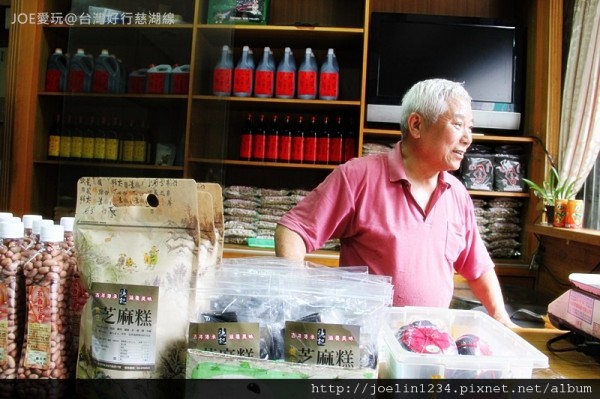

Among those hurt by the dry weather were camellia oil producers too. Zhang Ruirong said that previously 5 jin of camellia seeds were needed to press 1 jin of oil. This year there was little rain, the camellia seeds were of poor quality, and the oil yield dropped. On top of that, the tainted-oil scandal meant the market was scrambling for camellia seeds, farm-gate prices rose, and he had no choice but to raise prices by 100 yuan.
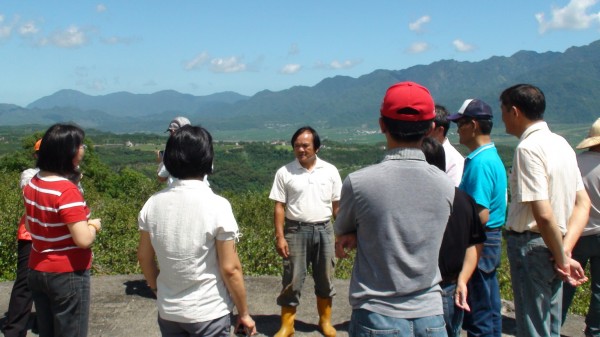
It was a poor harvest there too, but on the other side of the Central Mountain Range, Hualien's problem was too much water. Pastor Wen Guangliang, who advises the Lunshan tribe in Hualien on growing oil tea trees, said helplessly that Typhoon Matmo before the Mid-Autumn Festival knocked down many camellia seeds, and farm-gate prices soared from 27 yuan to 60 yuan. Previously 500 milliliters sold for 1200 yuan, and this year it rose to 1500 yuan, still not enough to reflect costs. Yet amid the food-safety uproar, consumers are still willing to pay, and supplies are now almost sold out.
Sesame oil in short supply, Xigang Farmers' Association orders booked into mid-January
As for the sesame oil essential for winter tonics, because many businesses had already agreed on purchase prices with farmers after last year's Da Tong oil-adulteration case, prices have not risen this year even though supply still falls short of demand.
Chen Yueying, director-general of the Xigang Farmers' Association in Tainan, said that this year about 150 hectares were contract-farmed, with 550 milliliters selling for 550 yuan. Pre-orders opened as early as October 8 this year, when the sesame festival was held, and orders are booked into mid-January. Even sesame powder is in hot demand, showing that consumers are paying more and more attention to food safety.
Wu Zhengxian, owner of the Nantou Oil Shop in Meinong, said local sesame prices follow the international market and are about twice the import price. Last year global prices surged, and local sesame reached 150 yuan per jin. This year international prices fell, and the local farm-gate price also returned to 130 yuan, but local sesame oil still costs more than 800 yuan, and it will probably be hard to return to the old days.