Joint hiring of agricultural and fishing workers criticized by southern legislators as unfavorable to the fishing side; Council of Agriculture: still in negotiations and planning
The Council of Agriculture recently floated the concept of "joint hiring of agricultural and fishing workers," attempting to match foreign fishing workers during the fishing ban and rest periods to briefly support agriculture's seasonal labor shortage gap. However, the proposal came under repeated fire from legislators today (the 30th) at the Legislative Yuan's Economics Committee, questioning that "joint hiring of agricultural and fishing workers" is constrained by the "single employer system" in the Ministry of Labor's Employment Service Act, not only conflicting with current law, but also leaving the question of employer liability to be clarified if labor occupational accidents or absconding problems arise in the future.
In contrast to Council of Agriculture Minister Lin Tsung-hsien's earlier confident statement that he hoped to coordinate as soon as possible and quickly let fishing workers during the fishing rest period come ashore to fill the labor gap for lychees in southern Taiwan in May, Council of Agriculture Deputy Minister Li Tui-chih, who attended today's questioning session, conservatively said that it is still in the negotiation stage and not yet mature. As for whether it can be launched on schedule in May? Li only said, "still needs to be reserved." Since the labor authority is not the Council of Agriculture, the Council of Agriculture also finds it difficult to set a clear timetable.
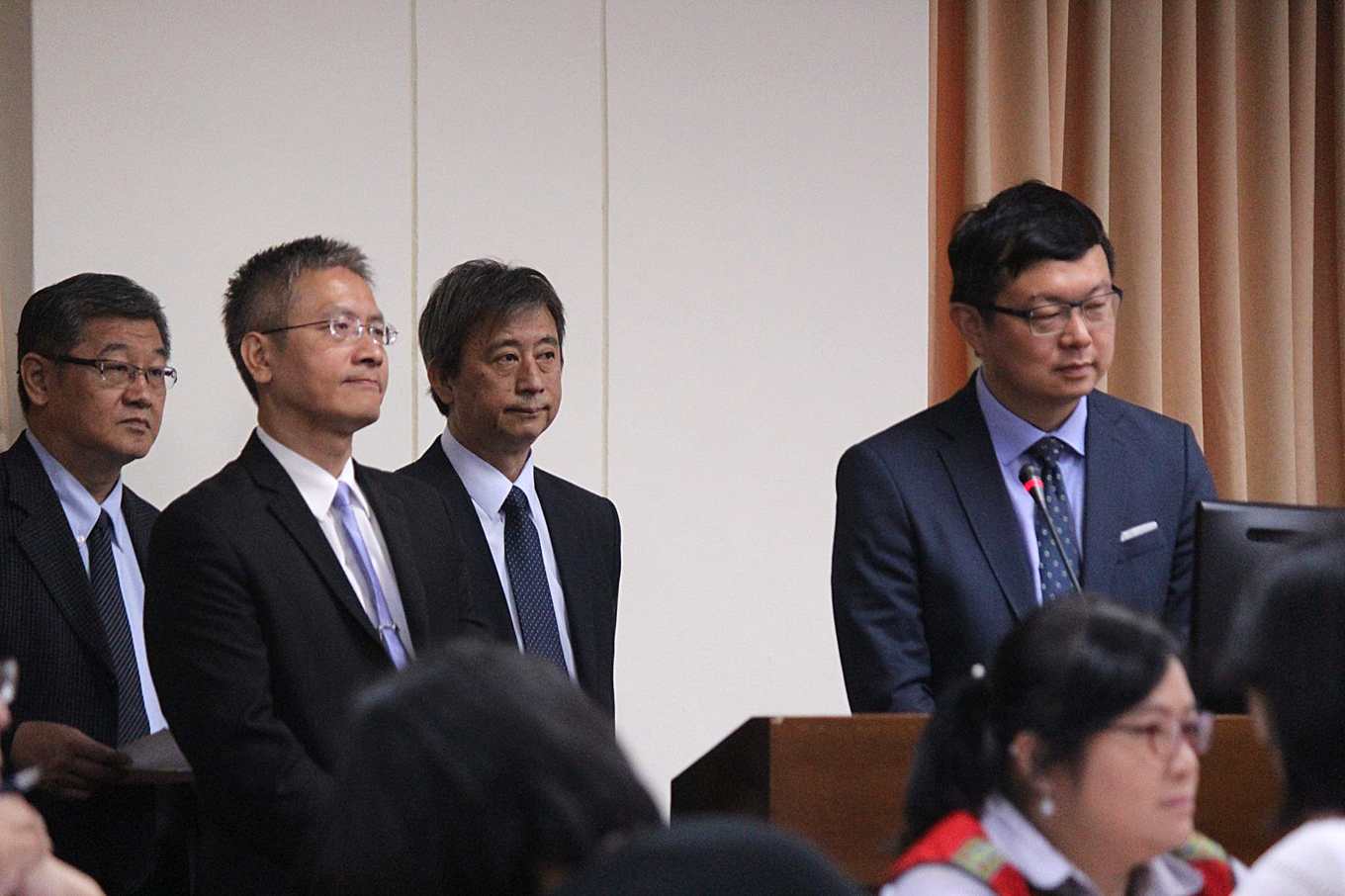
Legislators question: an immature policy was thrown out too quickly; Council of Agriculture: still needs negotiation
The issue of "joint hiring of agricultural and fishing workers" caused an uproar in the Legislative Yuan. Lai Jui-hsiung questioned that the Council of Agriculture and the Ministry of Labor had not even reached a consensus on "amending the law," and had not even communicated with local grassroots units. "Isn't this policy being thrown out too quickly?" He called on the Council of Agriculture to handle it cautiously and not casually throw out undecided, immature issues, causing panic outside.
In response, Li Tui-chih replied, "It is indeed only in the planning stage; in fact, it has not yet reached a mature stage." Everything must be discussed with the Ministry of Labor before saying anything further, and he emphasized that local fishery groups' views would be heard. "It is all still in negotiation."
Li Tui-chih said that if the fisheries sector truly does not accept it, or if there are legal obstacles that make it difficult to proceed, "we will of course take that into reference."
But with Lin Tsung-hsien having recently called for "fishing workers during the fishing rest period" to support the "May lychee labor shortage," under circumstances where the legal responsibilities and authority are still unclear, can it not be implemented on schedule? Li Tui-chih conservatively responded, "I think it still needs to be reserved." Because regulations such as the "single employer" rule still require communication with the Ministry of Labor, if the Ministry of Labor has other ideas, the Council of Agriculture would not dare to rashly set a clear timetable.