-

Moving soil-grown plants to water culture is certain death? These common mistakes to avoid
Moving a carefully tended soil-grown plant into a glass bottle and watching its roots spread in clear water is a poetic thing in itself. But reality is often: yellowing leaves, rotting roots, and within a few days it droops. Actually, plants are not delicate - we just use the wrong way to "move house". Soil roots and water roots are not the same thing at all
-

Is it easy for soil-grown plants to die when converted to water culture? Pick the right species and they are easy to keep
Switching familiar soil-grown plants into hydroponic containers and watching the roots spread out in a clear glass bottle is a joy for many plant lovers. But changing environments is like a test for plants, and some people think soil-to-hydroponic conversion easily kills plants; in fact, the key is to understand the rules by which plants adapt to a hydroponic environment. When converting soil-grown plants to hydroponics
-
How to best convert soil-grown plants to hydroponics? The simplest methods and tips
Today let's talk about how to convert soil-grown plants to hydroponics. With proper handling, it can not only solve care problems but also give plants a new lease on life! Preliminary preparation 1. Container selection: choose a transparent glass container so you can observe root growth. The container size should be moderate to ensure the roots have enough room to spread out. 2. Too
-

What to Do When Soil-Grown Lucky Bamboo Turns Yellow? Causes and Solutions
Lucky bamboo is popular with many people because of its strong ornamental value, auspicious symbolism, certain air-purifying effect indoors, and the fact that it has always been easy to grow. However, during cultivation people often encounter one situation that causes anxiety, namely the leaves frequently turning yellow. So what should be done when lucky bamboo leaves turn yellow?
-
The latest method for converting soil-grown pothos to water cultivation
Pothos can not only be grown in water but also in soil, and pothos has particularly strong vitality. It can be converted from water cultivation to soil cultivation, and from soil cultivation to water cultivation. Under normal circumstances, the two can be converted into each other. It is just that in specific applications, we need to handle the
-
Too many roots on a soil-grown pothos? Here is the correct way to handle it
Pothos is not only an evergreen plant with extremely strong shade tolerance, but also has a powerful ability to purify the air. As a potted plant, it is also very suitable for foliage viewing, so many home gardeners like to grow this plant. But pothos grows quickly, and its root system is mas
-
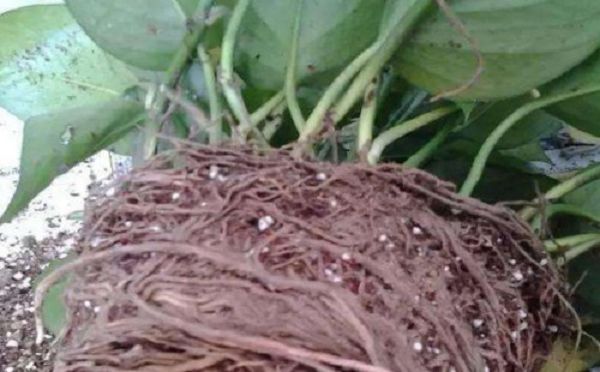
Too Many Roots on Soil-Grown Pothos? Detailed Guide to Handling It
What Should You Do When a Soil-Grown Pothos Has Too Many Roots?
-
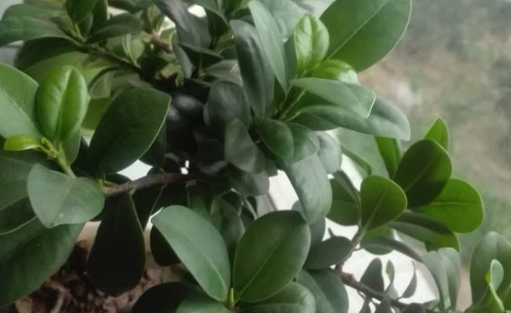
What to do when the leaves of a soil-grown ginseng ficus turn yellow? Detailed explanation of hydroponic and grafting methods
The ginseng ficus (Ficus microcarpa) likes light by nature; if there is not enough light, its leaves will turn yellow. So what should you do when the leaves of a ginseng ficus turn yellow? How do you grow it hydroponically? How do you graft it? According to reference materials, the ginseng ficus likes light by nature; if there is not enough light, the plant will grow slowly and its leaves will turn yellow. Although the ginseng ficus is a light-loving plant
-

Detailed guide to hydroponic flower techniques: learn how to convert soil-grown flowers into hydroponic ones
Introduction to hydroponic flower techniques: learn how to convert soil-grown flowers into hydroponic flowers
-

Care Tips for Soil-Grown and Water-Grown Hyacinths
What You Need to Know About Soil-Grown and Water-Grown Hyacinths
条件筛选