Detailed guide to hydroponic flower techniques: learn how to convert soil-grown flowers into hydroponic ones
Hydroponic flowers are a new type of plant cultivation technology. Compared with traditional soil-grown flowers, hydroponic flowers have advantages such as being clean and hygienic and easy to care for, and are especially suitable for indoor display. They are popular with consumers. Let us learn together about the specific knowledge of hydroponic flower techniques!
What are hydroponic flower techniques?
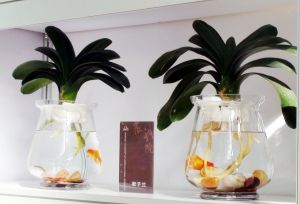
Hydroponic flowers are a new type of flower-growing technology developed in modern times. They use modern bioengineering technology and various technical means to domesticate terrestrial flowers so that they can grow in water, representing a new generation of high-tech agricultural projects. Hydroponic flowers can not only grow well, but fish can also be kept in the cultivation vessel below for ornamental purposes. The technical requirements and characteristics of household hydroponic flowers are very simple, and even an individual can easily learn hydroponic flower techniques.
Do hydroponic flowers need regular solution changes?
The roots of hydroponic flowers soak in nutrient solution, and the buffering capacity of nutrient solution is relatively poorer than that of substrate. Due to plant metabolism, new roots are constantly produced, and the root system may also secrete some toxic substances, which have an adverse effect on root growth and development. In addition, because different flowers absorb nutrients differently and selectively, nutrient imbalance in the nutrient solution is often caused. Sometimes this leads to nutrient deficiencies and physiological diseases. In addition, the effect of temperature on pH can also cause imbalance, especially in hydroponic methods. Therefore, hydroponic systems need regular solution changes. In winter, spring, and autumn, change the solution once every 1 month; in summer, change it once every 25 days. Therefore, a good nutrient solution must have strong buffering capacity, can stabilize the plant growth environment, and ensure nutrient balance.
Water management
In general, the cultivation water in the pot should be replaced once every one or two months. Ordinary tap water from daily life can be used, but note that when the water temperature is lower than the indoor temperature, the tap water should be left to stand for a period before use, so as to keep the root temperature stable.
Most hydroponic flowers are shade-loving and neutral flowers suitable for indoor cultivation, and flowers have their own requirements for light. Shade-loving flowers such as ferns, Orchidaceae, and Araceae plants should be moderately shaded; neutral flowers such as Monstera deliciosa, Schefflera octophylla, and poinsettia are not strict about light intensity, generally prefer sufficient sunlight, and can also grow normally in shade.
It is very important to ensure the temperature for normal flower growth. Flower roots grow well within the range of 15°C to 30°C. Above 5°C, most flowers will not die. That is to say, in winter, a temperature above 5°C needs to be maintained to ensure that most flowers overwinter safely. A small number of flowers can overwinter at 0°C according to varietal characteristics.
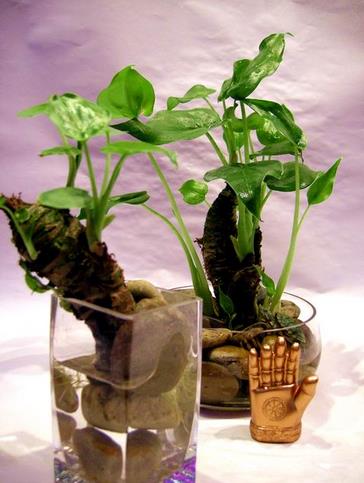
Attention should be paid to identifying the root color of flowers to judge whether they are growing well. When light, temperature, and nutrient solution concentration are appropriate, the whole root or root system is white, although some plant roots also appear in other colors. Please note that excessive nutrient solution is strictly prohibited, and shortening the time interval for adding nutrient solution is strictly prohibited.
1. For water, purified water and tap water can be chosen.
2. The basin water should not be too much; a certain amount of roots need to be kept in the air (it is advisable for 70% of the root length to be in water, and generally it is suitable for the planting basket not to touch the water).
3. When planting, pay attention to protecting the root system, try to straighten it out, and let most of all the roots be soaked in water.
4. If raising them together with fish, pay attention to changing the water frequently, and at the same time reduce the concentration of the nutrient solution to reduce waste. Also pay attention to feeding the fish. If conditions permit, oxygen-enhancing equipment and medications can be added to ensure the fish's living environment.
5. Hydroponic flowers without fish generally need the water changed once every 1-2 months.
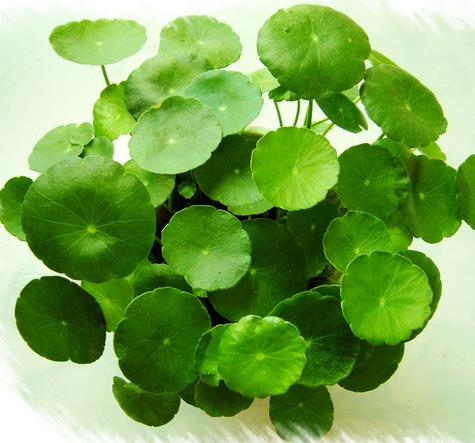
Technical requirements for household hydroponic flowers
Even though hydroponic flowers use high-tech means, they cannot violate the natural growth cycle of plants. Therefore, the techniques for hydroponic flowers must be strictly required starting from the first step of raising seedlings.
Technical requirement one for household hydroponic flowers: cultivate seedlings
Raising seedlings is one of the two most important stages in the growth cycle of hydroponic flower plants, and attention must be paid to it. This stage is like the process of a baby being born, and there is no room for carelessness. The seedling cultivation stage is the implementation of the water propagation process.
Technical requirement two for household hydroponic flowers: care for finished products
Another important stage in the growth cycle of hydroponic flower plants is the finished-product care stage, which is the hydroponic process in which the grower carries out personal operations. As long as these two most important stages of household hydroponic flowers are completed properly, in the series of work that follows, you only need to follow the correct cultivation rules and pay attention to the issues that should be noted during the growing process, and you will be able to see the fruits of your labor - beautiful hydroponic flowers.
Technical requirement three for household hydroponic flowers: establish a hydroponic seedling bed
The seedling bed for water propagation must not leak. It is often made of concrete, or built with bricks along the edges and covered with plastic film. The width is 1.2-1.5 m, and the length depends on the scale. It is best to build a stepped seedling bed, which is beneficial to water flow and increases the oxygen content in the water. Lay an electric heating wire for water supply and heating at the bottom of the bed to keep the water temperature stable at the optimal rooting temperature of 21-25°C. Water propagation can be carried out all year round, and the water temperature is controlled at about 25°C by a control instrument; too high or too low is unfavorable for rooting. During water propagation, flower seedlings should be inserted shallowly, with water or nutrient solution 5-8 cm in the bed. However, in order to keep the flower seedlings stable, clean sand can be placed at the bottom; this method can also be called sand water propagation. Alternatively, holes can be drilled in styrofoam boards, or a grid can be set up above the water surface; either way, insert the plant seedlings into the board and place them in the water. During the rooting process, use a water pump to circulate the water at set times every day to keep the oxygen in the water sufficient.
Characteristics of household hydroponic flowers
1. Soilless cultivation: effectively reduces the probability of flowers becoming diseased and suffering insect pests, and care is simple. Generally, it is only necessary to regularly replace the nutrient solution, and there is no need to water frequently, reducing the amount and intensity of labor.
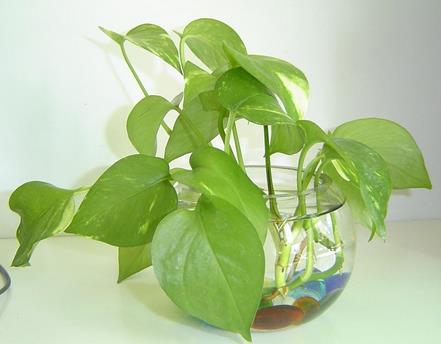
2. Strong ornamental value: household hydroponic flowers are mainly used for ornament. Artistic hydroponic vessels and vases are always more attractive than flower pots used for soil cultivation, and the pure white water-grown root system, substrates of various colors, and the fish kept in the nutrient solution below are all excellent ornamental features, perfectly combining movement and stillness.
3. More elegant display: in places such as hotel and bar service counters, conference tables, bedrooms, desks, and beside computers, the beautified space is greatly expanded.
Compared with traditional soil-grown flowers, household hydroponic flowers and substrate-cultivated flowers have advantages such as being clean and hygienic, easy to care for, and reusable, and are especially suitable for indoor display and deeply loved by consumers. The technical requirements for household hydroponic flowers and the characteristics of hydroponic flowers are summarized according to modern mature hydroponic flower techniques. The maturity of hydroponic flower techniques has not only allowed us to hydroponically grow beautiful ornamental flowers, but has also made outstanding contributions to the development of agricultural cultivation technology worldwide.
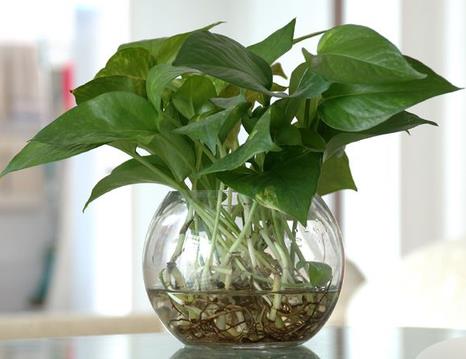
How to convert soil-grown flowers into hydroponic flowers
1. Selection of containers and tools
Hydroponic flowers have the characteristic of displaying the beauty of ornamental flower roots, so containers should be clear and transparent. There are now more and more types of transparent glass vases, plastic vases, and acrylic vases on the market, with a great variety of shapes. Compared with flower pots used for soil cultivation, they are more elegant and better able to coordinate with the home environment, improving the decorative effect and taste.
2. Root-washing treatment of hydroponic plants
Selection of plants: First, plants used for hydroponics should have a beautiful plant shape and good decorative effect. Plants that are too small do not have a good ornamental effect and are not suitable as root-washing material. Second, they should grow robustly and be free of diseases and insect pests. Robust plants recover easily and adapt easily to the water environment. Some plants that have just been divided and have poor root systems are also not suitable as root-washing material; they can be cared for in solid substrate and washed after their root systems become abundant.
3. Control of water level
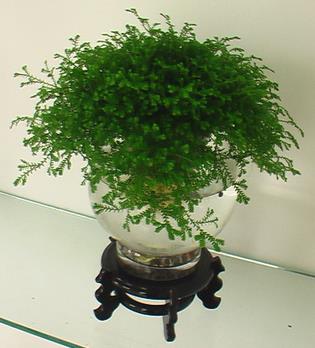
Place the root-washed flowers in a water bottle, let the roots spread out, and add clean water and nutrient solution. The water level should be low rather than high. It is enough for the roots to be in the water, or even less. Maintain an adaptation period of one month, change the water about once every 4 days, keep the water clean, and add flower nutrient solution.
4. Use of nutrient solution
For the nutrients needed by hydroponic flowers, it is recommended to use special nutrient solutions sold on the market, because different plants need different nutrients, and therefore nutrient solution formulas also differ. When purchasing, different nutrient solutions can be chosen according to the different plants being cultivated. Flower shops generally have many types of nutrient solutions for users to choose from, such as complete nutrient solution, flower hydroponic domestication solution, flower foliar fertilizer, rooting nutrient solution, seed-soaking nutrient solution, foliage plant nutrient solution, Clivia nutrient solution, cactus nutrient solution, and so on.
5. Early-stage care
In the early stage of root-washing hydroponics, it should be placed in a cool place without strong light, which is beneficial to plant recovery. After being washed from the soil substrate and entering the water environment, the plant has a process of adaptation and recovery. At this time, phenomena such as plant wilting and yellowing leaves may appear. Too strong sunlight will intensify these phenomena and affect recovery and ornamental value. After new roots grow, the plant will gradually recover its uprightness and vitality.
The width is 1.2-1.5 m, and the length depends on the scale. It is best to build a stepped seedling bed, which is beneficial to water flow and increases the oxygen content in the water. Lay an electric heating wire for water supply and heating at the bottom of the bed to keep the water temperature stable at the optimal rooting temperature of 21-25°C. Water propagation can be carried out all year round, and the water temperature is controlled at about 25°C by a control instrument; too high or too low is unfavorable for rooting. During water propagation, flower seedlings should be inserted shallowly, with water or nutrient solution 5-8 cm in the bed. However, in order to keep the flower seedlings stable, clean sand can be placed at the bottom; this method can also be called sand water propagation. Alternatively, holes can be drilled in styrofoam boards, or a grid can be set up above the water surface; either way, insert the plant seedlings into the board and place them in the water. During the rooting process, use a water pump to circulate the water at set times every day to keep the oxygen in the water sufficient.
Characteristics of household hydroponic flowers
1. Soilless cultivation: effectively reduces the probability of flowers becoming diseased and suffering insect pests, and care is simple. Generally, it is only necessary to regularly replace the nutrient solution, and there is no need to water frequently, reducing the amount and intensity of labor.
2. Strong ornamental value: household hydroponic flowers are mainly used for ornament. Artistic hydroponic vessels and vases are always more attractive than flower pots used for soil cultivation, and the pure white water-grown root system, substrates of various colors, and the fish kept in the nutrient solution below are all excellent ornamental features, perfectly combining movement and stillness.
3. More elegant display: in places such as hotel and bar service counters, conference tables, bedrooms, desks, and beside computers, the beautified space is greatly expanded.
Compared with traditional soil-grown flowers, household hydroponic flowers and substrate-cultivated flowers have advantages such as being clean and hygienic, easy to care for, and reusable, and are especially suitable for indoor display and deeply loved by consumers. The technical requirements for household hydroponic flowers and the characteristics of hydroponic flowers are summarized according to modern mature hydroponic flower techniques. The maturity of hydroponic flower techniques has not only allowed us to hydroponically grow beautiful ornamental flowers, but has also made outstanding contributions to the development of agricultural cultivation technology worldwide.
How to convert soil-grown flowers into hydroponic flowers
1. Selection of containers and tools
Hydroponic flowers have the characteristic of displaying the beauty of ornamental flower roots, so containers should be clear and transparent. There are now more and more types of transparent glass vases, plastic vases, and acrylic vases on the market, with a great variety of shapes. Compared with flower pots used for soil cultivation, they are more elegant and better able to coordinate with the home environment, improving the decorative effect and taste.
2. Root-washing treatment of hydroponic plants
Selection of plants: First, plants used for hydroponics should have a beautiful plant shape and good decorative effect. Plants that are too small do not have a good ornamental effect and are not suitable as root-washing material. Second, they should grow robustly and be free of diseases and insect pests. Robust plants recover easily and adapt easily to the water environment. Some plants that have just been divided and have poor root systems are also not suitable as root-washing material; they can be cared for in solid substrate and washed after their root systems become abundant.
3. Control of water level
Place the root-washed flowers in a water bottle, let the roots spread out, and add clean water and nutrient solution. The water level should be low rather than high. It is enough for the roots to be in the water, or even less. Maintain an adaptation period of one month, change the water about once every 4 days, keep the water clean, and add flower nutrient solution.
4. Use of nutrient solution
For the nutrients needed by hydroponic flowers, it is recommended to use special nutrient solutions sold on the market, because different plants need different nutrients, and therefore nutrient solution formulas also differ. When purchasing, different nutrient solutions can be chosen according to the different plants being cultivated. Flower shops generally have many types of nutrient solutions for users to choose from, such as complete nutrient solution, flower hydroponic domestication solution, flower foliar fertilizer, rooting nutrient solution, seed-soaking nutrient solution, foliage plant nutrient solution, Clivia nutrient solution, cactus nutrient solution, and so on.
5. Early-stage care
In the early stage of root-washing hydroponics, it should be placed in a cool place without strong light, which is beneficial to plant recovery. After being washed from the soil substrate and entering the water environment, the plant has a process of adaptation and recovery. At this time, phenomena such as plant wilting and yellowing leaves may appear. Too strong sunlight will intensify these phenomena and affect recovery and ornamental value. After new roots grow, the plant will gradually recover its uprightness and vitality.