Care Tips for Soil-Grown and Water-Grown Hyacinths
Hyacinths are native to the eastern Mediterranean coast and prefer a cool, moist environment with plenty of sunlight. Hyacinths can be grown in water or in soil. Some friends may not be especially familiar with how to grow hyacinths, so today I will give you a brief introduction. Let's take a look together.
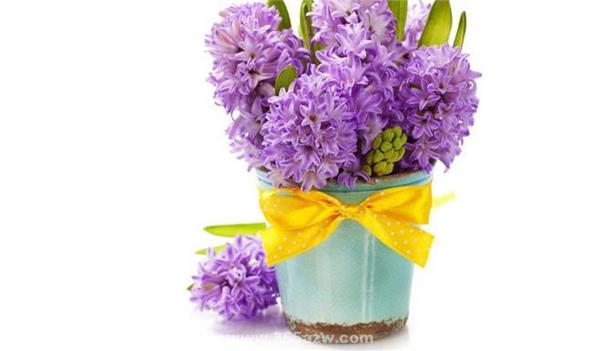
The Blooming Period of Hyacinths
The blooming period of hyacinths, counted from the opening of the first flower, generally lasts about two weeks. They usually bloom between March and June. Their growth cycle is: dormancy in summer, rooting in autumn and winter, sprouting in early spring, blooming in March, and the plant withering in early June.
After a hyacinth has bloomed once, cut off the withered roots and leaves, place it in a cool spot or plant it in soil, then in September plant it again in the ground or in a pot, apply a base fertilizer and top-dress it, to encourage the mother bulb to split and help the daughter bulbs grow larger. Only when they have grown to a certain size can they bloom again. You can also take them out again the following spring to plant, and they can bloom one more time.
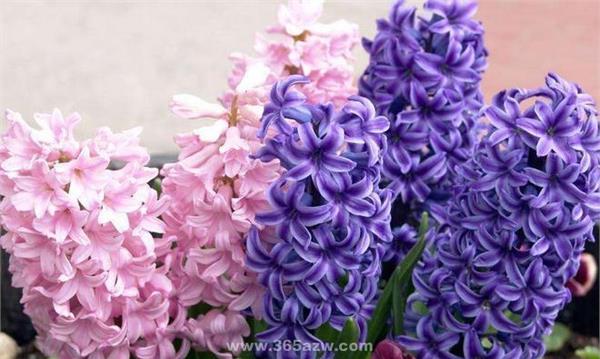
What You Need to Know About Water-Grown Hyacinths
1. Requirements for the Vase and Water
You can use a wide-mouthed glass vase with a constricted neck, a plastic bottle, and so on. The water should be clean, and changed once a week. If nutrient solution has been added, decide how often to change the water based on how cloudy it becomes. You should also add water frequently to keep the water covering the bulb.
2. Cultivation Method
Leave a 1-2 cm gap between the water surface and the bulb; never let the water submerge the bottom of the bulb. Then place it in a dark spot and cover the bottle with black cloth to encourage root development. Once the roots have grown to about 10cm, move it to a warm south-facing windowsill with plenty of bright, indirect light.
3. Requirements for Water Temperature and Light
The water temperature should not be too high; 15-20°C is best. When the leaves and flower buds emerge, expose it to indirect light for 1 to 2 hours each day so that its leaves and flower stalks grow strong and sturdy, and turn it to a different direction every day so that it does not lean to one side from growing toward the light. No fertilizer is needed, and in March or April of the following year it will produce a brightly colored, fragrant hyacinth.
4. Room Temperature Requirements
In an environment kept at 17-20°C, you will enjoy watching the buds form, grow and color up, but do not place it directly near a heat source; this way the beautiful hyacinth flowers will stay in bloom longer.
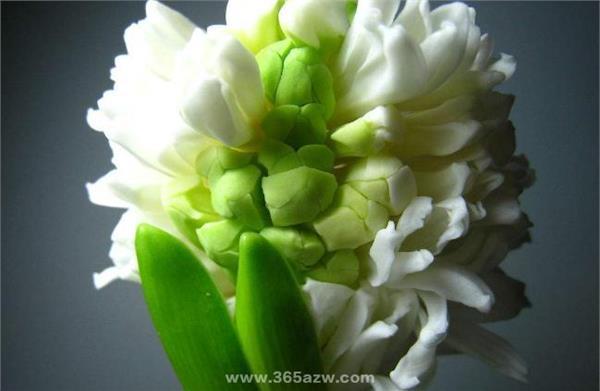
What You Need to Know About Soil-Grown Hyacinths
1. Select healthy bulbs and plant them in loose potting soil.
2. For the potting soil, you can choose a mix of peat + perlite.
3. The top 1/3 of the bulb should be left exposed above the potting soil; this is better for root growth.
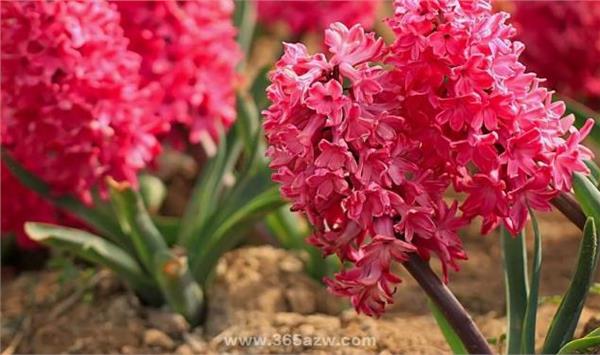
4. After planting, place it in a sunny spot and keep the potting soil moist. The temperature required for forcing blooms is 5-10°C. Also note that hyacinths really need light and water; if there is not enough light, or if it stays dry for a long time in winter, flowering will be poor. If you see that the emerging flower stalk is too short to extend, you can place the potted plant in a dark spot for several days to encourage the stems and leaves to grow leggy, then once the flower stalk has extended, return it to normal care. Hyacinths come in colors such as pink, purple-red, lilac, white, yellow and peach, and the growing method is the same for all of them.