Too Many Roots on Soil-Grown Pothos? Detailed Guide to Handling It
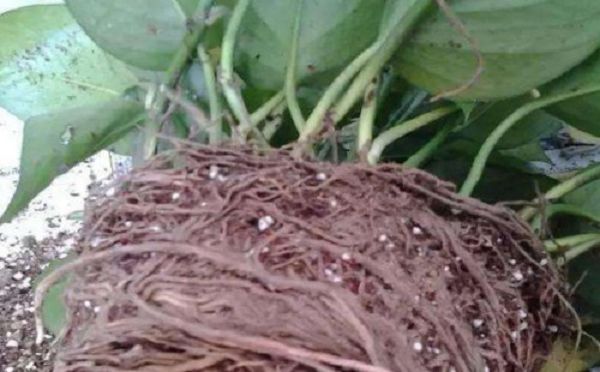
Pothos (Epipremnum aureum) is not only an evergreen plant with extremely strong shade tolerance, but also has a powerful air-purifying ability. As a potted plant, it is also very suitable for foliage display, so many home growers like to cultivate this plant. But pothos grows quickly and its root system is massive, so what should you do?
The root system of pothos is very well developed. When the growing environment is suitable, its roots will grow in great numbers. Precisely because its root system is powerful, pothos often grows into a large plant form, and its leaves are also relatively large. If the roots sprout too many and the space in the pot is limited, we often need to divide or repot it, and may even need to prune the roots appropriately.
When the roots of pothos fill the flower pot, if we cannot promptly divide, repot, or prune the roots, the cramped pot will affect the continued spread of its root system and inhibit the sprouting of new roots. Because there is no more ample space in the pot, and the roots being too dense will also affect their own normal respiration, so based on the influence of these factors, the root's absorption capacity is often greatly reduced, thereby weakening its growth.
When the root system of pothos becomes massive, if we need to obtain more potted pothos, we can adopt the method of dividing the plant, separating the plant and its underground rhizomes from the mother plant, and then potting them separately, so that we can obtain quite a few potted pothos. Whether for growing yourself or giving to others, it is often a good choice. Moreover, after division, the pothos can often return to a normal growth state.
If we do not need to divide the plant, then we also need to repot it promptly. First choose a larger flower pot, because a larger pot naturally offers more space and can better accommodate its root system. Of course, we can also appropriately trim the roots, cutting off the old and weak roots that grow slowly, so as to better promote the sprouting of new roots, improve the root's absorption capacity, and allow the plant to obtain more sufficient nutrients to maintain vigorous growth.
Of course, we can also take the plant out of the pot, cut off a large number of old roots and fine roots, and at the same time thin out the overly dense roots, then replant it in a pot. This can not only improve the roots' ability to exchange air, but also stimulate the plant to sprout new roots. With more new roots, the root's absorption capacity will be further improved, naturally providing the plant with a steady supply of nutrients and water, so that the plant grows better.