-

Why isn't fa cai (Nostoc flagelliforme) considered a plant? The latest explanation
Fa cai (Nostoc flagelliforme) is a terrestrial alga in the phylum Cyanobacteria, family Nostocaceae, genus Nostoc. Its cells are entirely blackish-blue. The edible fa cai grows attached beneath desert plants. Because its shape resembles tangled hair and its color is pitch-black, it is named fa cai, and is also called di mao. It has the effects of clearing heat and detoxifying, soothing the lungs and resolving phlegm, and regulating the stomach and intestines.
-
What Color Does Black Goji Berry Tea Turn? People Who Should Avoid It and How It Differs from Red Goji Berries
Goji berries have excellent health benefits: they can slow aging, tonify the kidneys and strengthen yang, beautify the skin, fight cancer, and improve eyesight. However, some people should not eat too many black goji berries. So what color does black goji berry tea turn? Who should not eat black goji berries? How do they differ from red goji berries?
-
How to Eat Black Goji Berries? Benefits of Drinking Black Goji Berry Tea, the King of Anthocyanins, and the Best Time to Eat Them
When black goji berries are mentioned, everyone probably knows about them. They can not only be brewed in water but also used in soups and infused in liquor. They have the effects of tonifying the kidneys, replenishing qi and blood, and boosting immunity. So how do you eat black goji berries? What benefits does drinking them in water have for the body? When is the best time to eat them?
-
How Much Does Black Goji Berry Cost Per Jin? 4 Tricks to Tell the King of Anthocyanins Apart from Fakes
Everyone knows that black goji berry is a good thing. It is not only rich in nutrients, but also has effects such as anti-aging, beauty and skin care, calming the nerves and aiding sleep, and protecting the eyes and improving vision. Black goji berry mainly grows in Xinjiang, Qinghai, Gansu and other places, and is generally used to make tea. So how much does black goji berry cost
-
How to Grow Black Goji Berry? A Detailed Guide to the Cultivation Methods of the King of Anthocyanins
Black goji berry, also known as Su goji berry, is a green health food that has gradually become popular in recent years, and it is distributed in Ningxia, Gansu, Qinghai, Xinjiang and other places in China. So today, the editor will introduce to you the cultivation methods of black goji berry. 1. Site selection and land preparation The planting of black goji berry
-
What are the hazards of calcium cyanamide soil solarization? These usage risks you need to understand
Calcium cyanamide, also known as calcium cyanamide, is a very strong dual-purpose pesticide and fertilizer soil disinfectant and fungicide, generally used in greenhouses, but because it has a certain toxicity, attention must be paid when applying it. So what are the hazards of calcium cyanamide soil solarization? 1. What are the hazards of calcium cyanamide soil solarization?
-
How often should you water a pink quill (Tillandsia cyanea)? Introduction to watering and propagation methods
Planting a potted plant in the cold winter will make everyone feel that it brings a touch of vitality to winter, adding a stroke of color to winter's monotonous palette. What's more, the pink quill (Tillandsia cyanea) is light purple in color, very fresh and elegant, and is relatively easy to grow, with many propagation
-
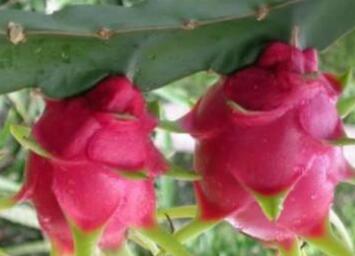
When is dragon fruit, which is rich in "anthocyanins," generally planted? Can it be grown in the cold northern regions? (Planting methods included)
Dragon fruit is a tropical and subtropical fruit rich in anthocyanins and plant protein. Its flesh is sweet and juicy, and it comes in red and white varieties. In recent years, because of its strong adaptability and relatively simple cultivation methods, it has become one of the fruit varieties favored by many growers. Besides being grown in the south,
-

What to Do About Cyanobacteria Outbreaks in Aquaculture? A Detailed Guide to the Correct Treatment Methods
In recent years, cyanobacteria outbreaks in Guangxi's aquaculture industry have become increasingly common, especially in freshwater farming ponds, where not only is the frequency of outbreaks high, but the timing is also...
-

How serious is the harm of cyanobacteria blooms to aquaculture in bloom season?
Cyanobacteria, also called blue-green algae, are the simplest and most primitive single-celled organisms. Cyanobacteria are widely distributed in natural water bodies and have already caused serious harm to aquaculture....
条件筛选