What to Do About Cyanobacteria Outbreaks in Aquaculture? A Detailed Guide to the Correct Treatment Methods
In recent years, cyanobacteria outbreaks in Guangxi's aquaculture industry have become increasingly common, especially in freshwater farming ponds, where not only is the frequency of outbreaks high, but the timing is also getting earlier and earlier. Often, cyanobacteria break out not long after the fry are stocked, seriously harming the healthy growth of fish and shrimp fry.
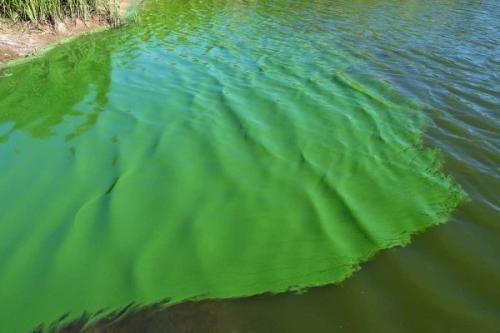
Image source http://www.gxjljh.com/
Main causes of cyanobacteria outbreaks:
Eutrophication of the water body, combined with external conditions such as suitable light and temperature, will lead to large-scale cyanobacteria outbreaks; nitrogen and phosphorus nutrients in the water body are inherently high, and the inflow of rainwater, sewage and domestic wastewater can also cause this; excessively high pH of the water body also favors the growth and reproduction of cyanobacteria.
Harms of cyanobacteria outbreaks:
In hot weather with strong light, cyanobacteria gather on the surface of the water body to absorb most of the sunlight, multiply in large numbers and inhibit the growth of other algae. At the same time, during reproduction, cyanobacteria continuously secrete toxic metabolic substances into the water body, causing mass mortality of some zooplankton, while cyanobacteria particles are difficult for fish and shrimp to digest. At the same time, the death and decomposition of cyanobacteria also consumes a large amount of dissolved oxygen and releases large amounts of toxic substances such as hydroxylamine and hydrogen sulfide. Under conditions of severe oxygen deficiency and the presence of toxic substances, fish and shrimp will struggle to survive and die in large numbers.
Many farmers, because they do not understand the habits and causes of cyanobacteria, merely blindly follow other people's methods. The results are not ideal; they may even kill the cyanobacteria, but at the same time kill the beneficial algae, indirectly killing the fish and shrimp as well, causing serious aquaculture losses.
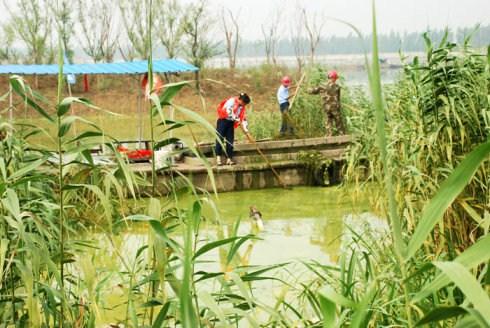
Image source http://www.gxjljh.com/
Therefore, cyanobacteria must be dealt with using scientific methods:
1. Drainage: Drain off 30 cm to 40 cm of the surface water layer. Cyanobacteria like light and will gather in the surface water layer when the sun is strong at noon; draining can effectively reduce the amount of cyanobacteria in the pond water.
2. Scientific stocking: Based on the pond conditions and management level, stock reasonably; it is best to also stock some filter-feeding fish and cultivate beneficial algae.
3. During the middle and late stages of farming, frequently add fresh water. Activate the vitality of the pond water body, run the aerators often, and ensure good dissolved oxygen levels in the water body.
4. Regularly use good biological preparations to regulate water quality. Alternately use detoxifying bottom improvers, water-regulating bottom improvers and biological oxygenating bottom improvers to improve the bottom environment.
5. For fish ponds where cyanobacteria have occurred, be sure to thoroughly disinfect and kill cyanobacteria spores.
Image source http://www.gxjljh.com/
Specific measures:
When the water quality is thick green, cyanobacteria have broken out, or the water color is abnormal, using effervescent chlorine dioxide tablets specially designed for aquaculture can quickly destroy the chlorophyll of the algae, kill the algae, and achieve the effect of purifying and refreshing the water. It also has very few side effects, and its safety factor is more than 10 times higher than that of traditional algicidal drugs commonly used in aquaculture disinfection, such as copper sulfate and erythromycin. Moreover, chlorine dioxide specially designed for aquaculture can react with ammonia, sulfides and organic matter in the water to decontaminate, remove fishy odors, deodorize, degrade toxins, flocculate and settle, and otherwise improve water quality, preventing cyanobacteria from occurring again.
Article source http://www.gxjljh.com/