Growing Summer Flowers This Way Keeps Plants and Flowers Safe Through the Summer
Summer is the season with the highest temperatures, the longest sunshine and more rain in the year, and it is also a period of vigorous growth for many crops and flowers. However, the hot and humid environment easily breeds pests and diseases, so for plants and flowers, summer is both a period of rapid growth and a test.
After entering summer, the metabolism of most plants speeds up, water evaporation increases noticeably, and their water requirements rise accordingly. But when the temperature is too high at noon, some flowers such as clivia (Clivia miniata) enter a slow-growing semi-dormant state, and the roots' absorption capacity weakens; if you continue with heavy watering and fertilizing at this time, root rot and yellow leaves become more likely instead.
The key to summer care lies in shading, ventilation and reasonable watering. At noon when the light is too strong, you can pull a layer of shade netting over potted plants, or move them to a spot with plenty of bright, indirect light; watering is best done in the early morning or evening, avoiding the high-temperature noon period. After rain, promptly pour off the standing water in saucers and pots, keep ventilation good, and prevent root suffocation.
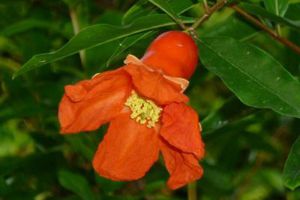
Summer is also a peak period for pests and diseases, with red spider mites, aphids, powdery mildew and others ready to take advantage of any weakness, so observe the front and back of leaves more often in daily care and deal with anything unusual as early as possible. For plants that bloom in summer, such as Chinese rose (Rosa chinensis) and pomegranate, be sure to replenish water and nutrients in time so the flowering period lasts longer. Adjust your management methods in line with the laws of the season, and your plants and flowers will make it smoothly through the whole summer.
Related Reading