Autumn is the right time for planting and care: master the key points and your flowers and trees will grow more vigorously
Autumn is the season between summer and winter. In China, the seventh to ninth months of the lunar calendar are traditionally regarded as autumn, while meteorologically, autumn is generally considered to have arrived when the average temperature steadily drops below 22 degrees Celsius for several consecutive days. After autumn begins, the sun's direct rays gradually move southward, days grow shorter and nights longer, temperatures shift from high to low, the difference between day and night temperatures widens noticeably, and precipitation decreases accordingly, giving the season as a whole its characteristic clear skies, crisp air and dry conditions.
For agricultural production, autumn is a key harvest period. Field crops such as rice, corn, soybeans and cotton mature one after another, and regions everywhere enter the busy autumn harvest stage. Autumn is also an important sowing season: overwintering crops such as winter wheat and rapeseed need to be planted at the right time, and many vegetables, including radishes, Chinese cabbage and spinach, are also well suited to autumn cultivation, laying a good foundation for the winter table.
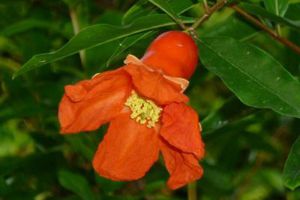
For families growing flowers and vegetables, autumn is no time to relax either. As temperatures fall, roses, clivias and potted pomegranates enter a stage of renewed growth or bud formation, so light can be gradually increased and phosphorus and potassium fertilizer appropriately supplemented to help flower bud differentiation. For cold-sensitive plants such as pothos and gardenia, however, it is important to watch weather changes in advance and prepare to move them indoors for warmth, while watering frequency should also be reduced as temperatures drop to avoid long-term soggy soil causing root rot.
It should be noted that autumn has a dry climate and large temperature differences between morning and evening, so both field crops and potted plants need protection against autumn drought and sudden temperature drops. Repotting, cuttings and division should preferably be carried out in early autumn, leaving plants enough time to recover. Only by grasping autumn's climate characteristics and farming rhythm can crops and ornamental plants grow more steadily and be well prepared for winter.
Related Reading