-

-

Does the electric eel have natural predators? A rundown of the electric eel's predator animals
What animals are the natural predators of the electric eel?
-
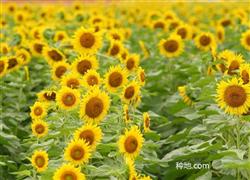
How to grow ornamental sunflowers? A detailed guide to planting methods
What varieties of ornamental sunflowers are there? How do you grow ornamental sunflowers? We ask experienced gardeners to share their knowledge. Ornamental sunflowers have graceful plant forms, dense foliage and branches, and large, brilliantly colored flowers. They can be used as potted flowers, cut flowers and garden flowers. As a result, more and more tourist attractions, farm stays, orchards...
-

Fruit seeds planted in a flower pot sprout green shoots, bearing 100 fruits in 1 year
Huahua recently visited the flower market and found that tiny potted plants the size of a palm cost over ten yuan, and they're hard to keep alive after buying them, which is simply a waste of money. Actually, the fruit seeds left over from what we eat in summer can all be grown into potted plants, and even kids can grow them until they burst the pot. If you don't believe it, pick a few from below and give them a try~
-
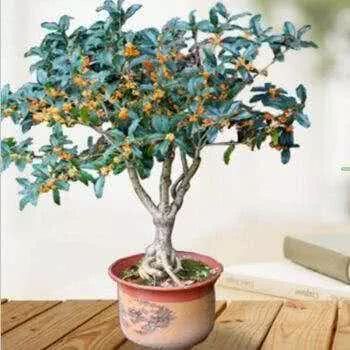
How to graft osmanthus? Learn in three minutes, it takes seven days to survive and grow into a tree
Today a flower friend asked me, how can you make an osmanthus grow thicker? This question is easy to answer: either rely on the accumulation of time and let it grow on its own. Don't let it lack water and fertilizer; as long as it grows well for a few years, it will thicken by itself. There is also another method, ...
-
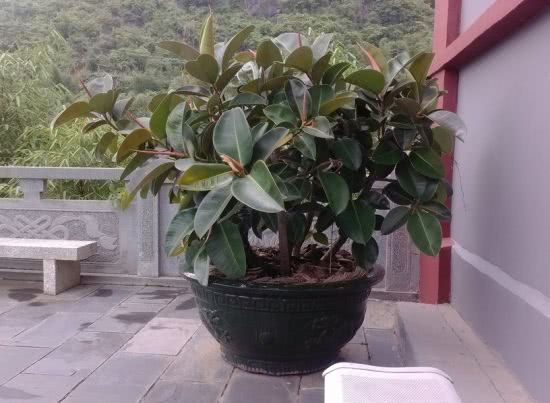
The rubber plant is a green plant suitable for indoor cultivation.
Rubber plant, also known as: rubber tree, Brazilian rubber, is an evergreen tree of the genus Ficus in the mulberry family. Its leaves are thick and broad, deep green in color, with bright red growing tips; when the stipules split open, they hang down just like a red tassel, full of charm. The rubber plant has a distinct trunk, few branches, and grows aerial...
-
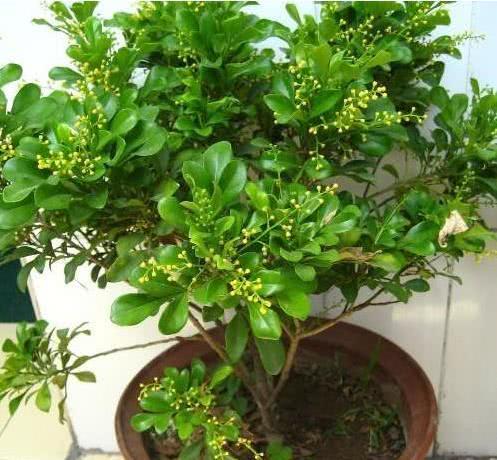
Quick identification methods for Aglaia odorata, Murraya paniculata and boxwood
When it comes to the three plants Aglaia odorata, Murraya paniculata and boxwood, people with some knowledge of plants may not find it hard to tell them apart, but for most people, especially those who know nothing about plants, they may be hopelessly confused. In fact, Aglaia odorata belongs to the genus Aglaia in the Meliaceae family...
-
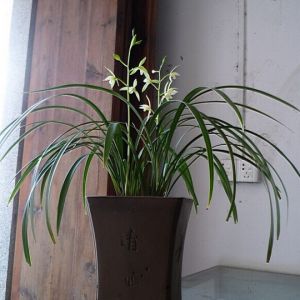
Introduction to the Characteristics of the Silver-Edged Dagong Cymbidium ensifolium Variety
The Silver-Edged Dagong has elegant, flowing leaves and a graceful plant shape, with good leaf glossiness and stable silver edges. It tolerates strong light well; in a growing environment with sufficient light, the silver edges merely turn yellow rather than burning black at the edges. Old pseudobulbs decline slowly, making it easy to grow into a large clump. The flower stems are upright and bear many flowers, with a faint light pink color at the base of the lip, making it extremely refined. The most...
-
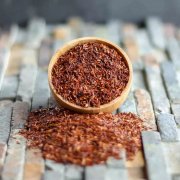
South Africa's National Treasure Tea Gets EU Origin Certification, One of South Africa's Three Treasures Sees a Surge in Value
South Africa's national treasure tea is rich in natural nutrients and free of caffeine. In recent years it has rapidly risen to fame in the beverage market, and in May of this year it passed certification by the European Commission, obtaining protected designation of origin, becoming the first African crop to obtain this certification, meaning that even if the same
-
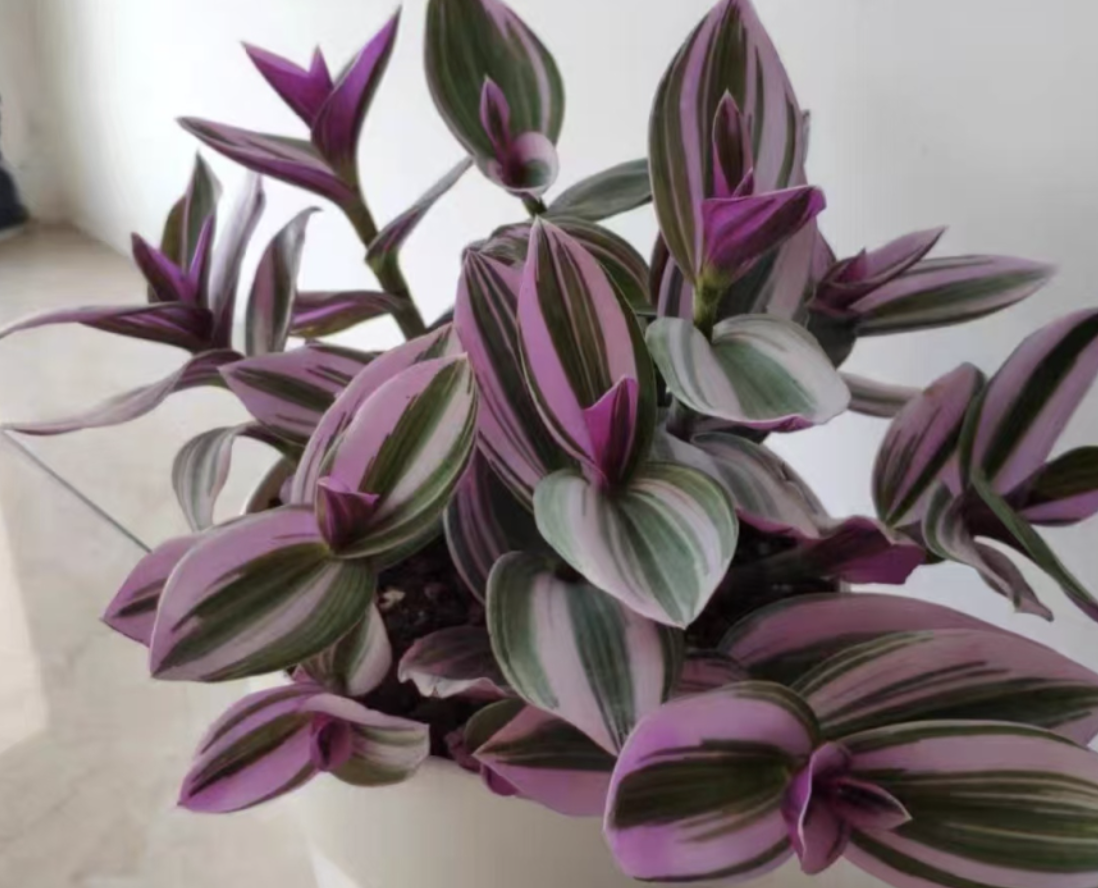
How to Care for Winter Dormant Plants?
With the arrival of winter and the temperatures dropping day by day, our plants and flowers also require special care. During the cold season, many plants
条件筛选