-

Will too-high temperatures inhibit the growth of Phalaenopsis orchids, or even heat them to death?
Many people face a key question when caring for Phalaenopsis orchids: will too-high temperatures inhibit the growth of Phalaenopsis orchids? Can too-high temperatures really heat Phalaenopsis orchids to death? A deeper understanding of how Phalaenopsis orchids adapt to temperature not only helps solve cultivation problems, but is also the key to unlocking their vigorous vitality. Phalaenopsis orchids originate from
-

Is Rice Resistant to High Temperatures? The Impact of High-Temperature Heat Damage and Countermeasures
The damage caused by high temperatures to rice plants is closely related to the growth stage of the rice. Many studies have shown that during the flowering stage of rice, high-temperature heat damage affects pollen maturation, anther dehiscence, pollen germination on the stigma, and pollen tube elongation; the resulting failure of fertilization is the most serious harm to rice.
-
How to prevent and control high-temperature heat damage in rice? A detailed explanation of practical technical measures
Rice high-temperature heat damage generally refers to an agrometeorological disaster during the heading and grain-filling stage of rice, when the air temperature exceeds the upper limit of the normal growth temperature for rice, affecting normal flowering and grain setting, causing an increase in the rate of empty and blighted grains and leading to reduced yield or even total crop failure. Xuzhou has compiled for everyone the prevention and control of rice high-temperature heat damage
-
Corn high-temperature heat damage can cut yields by 30% or even cause total crop failure; see the prevention methods here
This year there will be 40 days of dog days (the hottest period of summer), which is a serious challenge for corn growth, so what exactly is the harm of high-temperature heat damage to corn? How can these harms be prevented? High-temperature heat damage causes corn yield reduction or total crop failure. High-temperature heat damage is something encountered in corn production
-
This year temperatures are on the low side, how should wheat be protected from freezing?
According to the weather forecast, this year is a year with extremely low temperatures, so this winter may be very cold, and therefore extra attention should be paid to protecting wheat from freezing. Take care to help wheat suffer less from the harmful effects brought by the weather. So how should wheat be protected from freezing? Symptoms of wheat freeze injury
-
-
Impact of High-Temperature Heat Damage on Rice Production in Fanchang County and Defensive and Remedial Measures
In the process of rice production, the climate factors with the greatest impact and the hardest to control are temperature and water. Reasonable irrigation can supplement and regulate water, but temperature is difficult to control, and it exerts a major influence on the entire life of rice. Rice is the main crop in grain production in Fanchang County, ranking first among grain crops in both planting area and total output. At present, the rice planting area in Fanchang County is about 16,360 hectares (including the multiple cropping index), of which about 13,191 hectares are middle-season indica rice (mainly hybrid rice), about 1,514 hectares are early rice, and about 1,655 hectares are double-cropping late rice.
-
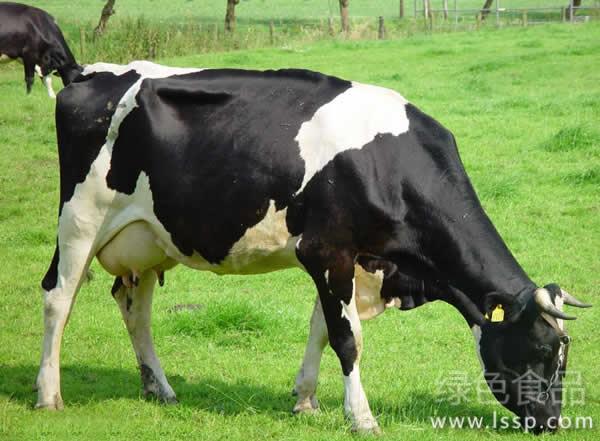
Dairy cows are prone to heat stress in high temperatures: five heat-relief and cooling measures to remember
Dairy cows easily suffer heat stress in high temperatures: five measures for heat relief and cooling in dairy cows
-
High temperatures trigger heat stress in pigs, affecting their physical health
The high-temperature environment from June to September each year disrupts pigs' sex hormone secretion, throwing their normal estrus mechanism out of order, so that estrus symptoms become inconspicuous or the animals do not come into heat at all; high temperatures make pigs devote most of their energy to resisting heat stress, correspondingly weakening their other bodily functions, and for lactating sows and fattening pigs that need to eat large amounts of feed, this leads to insufficient nutrition and the phenomena of low milk output and slow growth; high temperatures make heat dissipation from the boar's testicles difficult, intensify sperm metabolism and shorten sperm lifespan, so that the motility of ejaculated sperm decreases or the sperm even die; high temperatures also increase the death of newly fertilized eggs and make implantation of the fertilized eggs more difficult, thereby lowering the conception rate of summer breeding.
-
What to do when large silkworms are forced to mature prematurely by high temperatures? Do a good job of heat prevention and cooling
(1) In hot weather, prevent mulberry leaves from wilting and overheating. When feeding the silkworms, wait until the mulberry leaves have cooled before feeding. When feeding at noon, provide appropriate supplementary water to help cool things down and delay mulberry leaf wilting. This can be combined with supplementary feeding of miecanying or xiaoteling for disinfection. The standard for supplementary feeding of miecanying is 1 milliliter of miecanying agent added to 0.5 kg of water, fed with 4-5 kg of mulberry leaves, mixed evenly and then fed to the silkworms, with supplementary feeding once every 48 hours. The standard for preparing the xiaoteling agent water solution for disease prevention is to add 25 kg of water to each packet of the main agent. First use a small amount of water to
条件筛选