-

What to do when deer bite wool? Rock salt can be used for prevention and control
Deer wool-biting disease, also called pica for wool, is a chronic metabolic disease caused by disorders of the digestive tract and nervous system functions, resulting in abnormal taste. The main causes are that in late winter and early spring, long-term feeding of rain-soaked, sun-dried hay or improper feeding management, incomplete nutrition, and excessive deer herd density can all cause the disease. The incidence rate sometimes reaches 100%. At the beginning of the disease, only individual deer gnaw and bite, and later most deer bite each other, and some also eat the bitten-off wool, swallowing it in clumps after slight chewing, and as the stomach moves it can roll into
-

Cause Analysis and Prevention Methods for Abnormal Wool Loss in Sheep
What to Do About Abnormal Wool Loss in Sheep
-
How is High-Quality Angora Rabbit Wool Produced? Key Technical Points Explained
Rabbit hair is divided into three types: fine hair, coarse hair, and two-type hair. Fine hair, also known as rabbit down, has an average fineness of 12-14 microns and is the shortest of the three types. It has distinctly irregular crimps. Because fine hair has good physical and chemical properties, it has high textile value in the wool textile industry. Generally speaking, its price is also higher than the other two types. Therefore, mastering rabbit down production techniques to produce more fine hair is an effective means of improving the production efficiency of Angora rabbits. 1. Understand the quality requirements for rabbit down. Rabbit down should be pure white, fully loose, free of impurities,
-
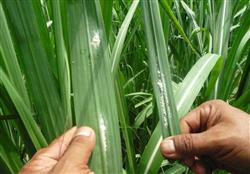
A Detailed Guide to the Control of Sugarcane Woolly Aphids
What are sugarcane woolly aphids? How do you control sugarcane woolly aphids? Please explain. Sugarcane is prone to damage from woolly aphids in the middle and late stages of growth. Sugarcane woolly aphids gather on the underside of leaves along both sides of the midrib, sucking sap, causing the sugarcane leaves to wither and yellow, and excreting honeydew onto the leaves, which induces sooty mold and affects normal photosynthesis in the leaves...
-

What are the precautions for plucking wool from Angora rabbits?
Precautions for plucking wool from Angora rabbits
-
Experience Exchange on High-Yield Wool Production Techniques for Angora Rabbits
Please enter: Angora Rabbit Wool Production Enhancement Technical Exchange
-
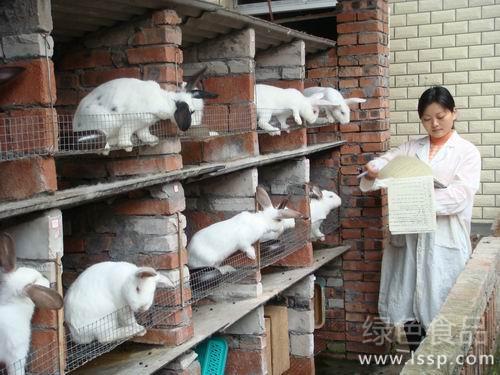
Scientific Winter Rearing of Angora Rabbits and High-Yield Wool Production Techniques
Angora Rabbit Farming Wool-Enhancing High-Yield Techniques: Scientific Winter Rearing
-
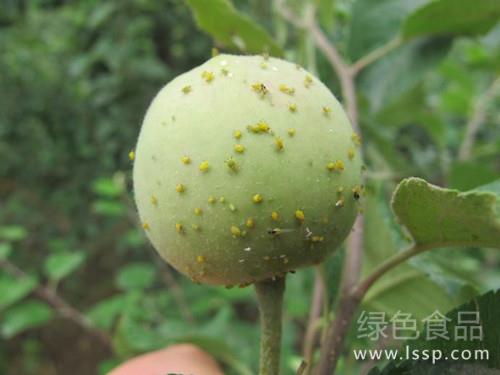
Apple woolly aphids suck the sap of fruit trees and fruits; how to control them in autumn and winter?
Woolly aphids suck the sap of fruit trees and fruits; how to control apple woolly aphids in autumn and winter
-
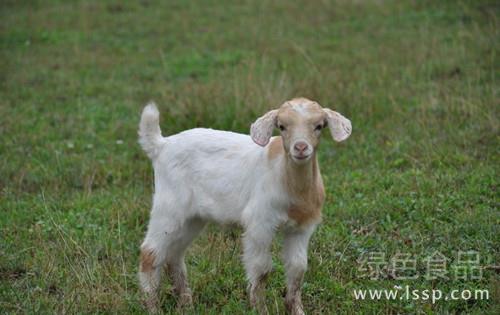
How to prevent and treat wool-eating disorder in housed lambs? Beware of excessive wool eating blocking the intestines and causing death
Death from intestinal blockage caused by eating too much wool: prevention and treatment of wool-eating disorder in housed lambs
-
What causes wool biting in Angora rabbits?
Asking for advice: what causes wool biting in Angora rabbits?
条件筛选