-

How to raise wool-breed stud rabbits well? Key points of feeding and management techniques
The quality of feeding and management of wool-breed stud rabbits is closely related to breeding results and semen quality, and also directly affects the conception, kindling and vitality of does. Stud rabbits have a greater influence on offspring than do stud does, so doing a good job in the feeding and management of stud rabbits has
-
Four Methods to Increase Wool Production When Raising Angora Rabbits
1. Provide a reasonable basic daily ration. The basic daily ration is the ration combination necessary to maintain the growth and physiological activities of Angora rabbits. Wool-producing rabbits generally require 10.37 megajoules/kg of energy, 16% crude protein, 0.4% calcium, 0.21% phosphorus, 11.27% crude fiber, 0.62% lysine, and methionine
-
What is the fastest treatment for sheep eating wool, and what causes it?
Abstract The fastest treatment for sheep eating wool: selectively supplement affected sheep with minerals such as zinc sulfate, copper sulfate and ferrous sulfate, as well as vitamins VA, VE and VD; you can also add zinc and copper to the feed, along with a premix containing amino acids, and feed supplementary concentrated feed such as cornmeal.
-
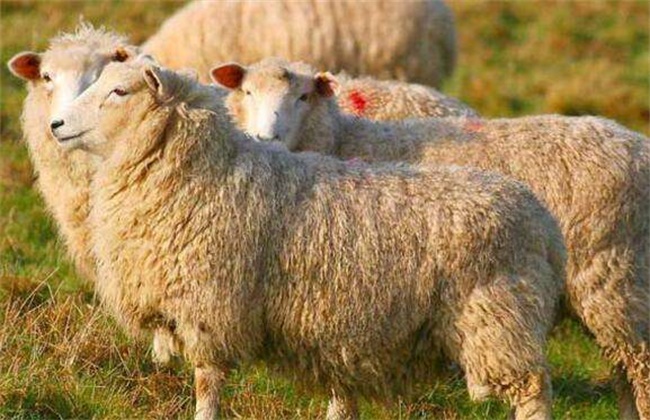
What causes wool loss in sheep in winter? How to prevent and treat it
Causes of wool loss in sheep in winter and prevention and treatment methods
-
-
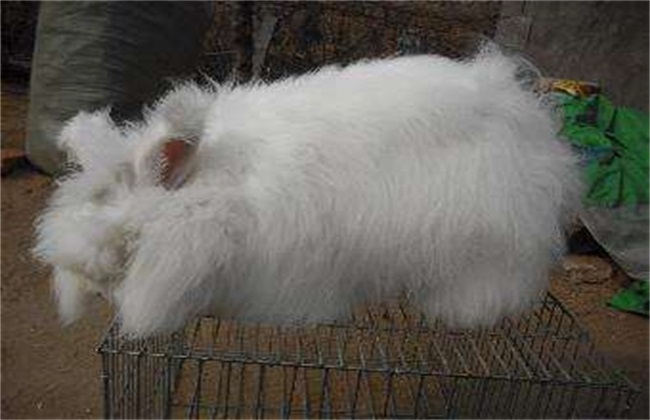
How to improve the quality of angora rabbit wool? These breeding methods are very practical
How to improve the quality of angora rabbit wool
-
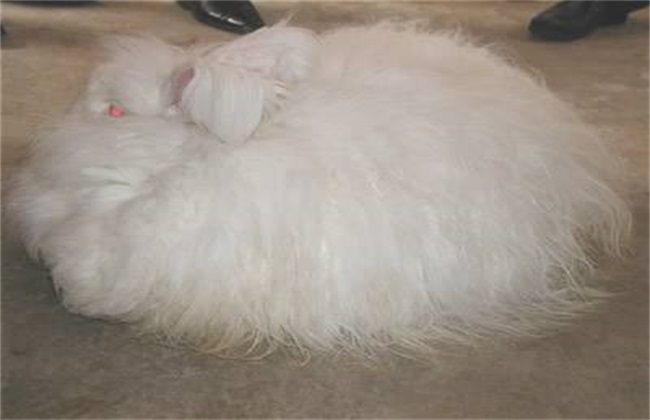
How Are Angora Rabbit Wools Harvested? Detailed Explanation of Methods and Precautions
Wool Harvesting Methods and Precautions for Angora Rabbits
-
What Is the Scientific Name of Wool Moss? An Analysis of the Main Characteristics of Common Bryophytes
Wool moss is a type of bryophyte, and its scientific name is Dicranum scoparium. The stems and leaves of this moss are as smooth as wool, so some people call it wool moss. Wool moss is now a relatively popular moss in the making of miniature landscapes, and this moss mainly
-
How can wool rabbits grow more fur? These seventeen methods are worth trying
1. For each rabbit, use 0.5 g of sulfur, 1 g of silkworm droppings, 1 g of Smilax glabra, and 0.1 g of trace elements daily. Mix and crush them, then mix evenly with the feed and feed the rabbits. Generally, wool can be clipped 7-10 days earlier. 2. After wool rabbits are shorn, inject 250 mg of vitamin B12 intramuscularly per rabbit per day for 2-3 consecutive days; or orally administer compound vitamin B1 tablets (each tablet contains 3 mg of B1, 1.5 mg of B2, 0.2 mg of B6, and 2 mg of calcium pantothenate), using 1/4 tablet per rabbit per day
-
How to diagnose and treat wool-eating disorder in housed sheep?
In the spring of 2004, sheep housed in some villages on the outskirts of our county developed a disease of biting and eating each other's body wool. The wool quality of the affected sheep was damaged, with indigestion, anemia and emaciation, and in severe cases the sheep died, causing great losses to the sheep industry. Based on the basic disease situation, feed analysis, clinical symptoms and treatment, it was diagnosed as a nutritional and metabolic disease. Through comprehensive prevention and control measures, the condition was brought under control. The report is as follows: 1 Basic disease situation. The affected sheep were mainly housed sheep, with fewer cases among semi-housed sheep.
条件筛选