A Detailed Guide to the Control of Sugarcane Woolly Aphids
What are sugarcane woolly aphids? How do you control sugarcane woolly aphids? Please explain. Sugarcane is prone to damage from woolly aphids in the middle and late stages of growth. Sugarcane woolly aphids gather on the underside of leaves along both sides of the midrib, sucking sap, causing the sugarcane leaves to wither and yellow, and excreting honeydew onto the leaves, which induces sooty mold and affects normal photosynthesis in the leaves...
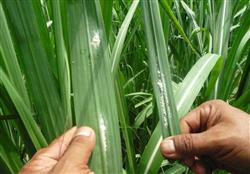 What are sugarcane woolly aphids? How do you control sugarcane woolly aphids? Please explain
Sugarcane is prone to damage from woolly aphids in the middle and late stages of growth. Sugarcane woolly aphids gather on the underside of leaves along both sides of the midrib, sucking sap, causing the sugarcane leaves to wither and yellow, and excreting honeydew onto the leaves, which induces sooty mold and affects normal photosynthesis in the leaves, reducing sugarcane yield and sugar content. Affected sugarcane tips used as seed cane have a low germination rate, and ratoon crops sprout poorly. Sugarcane woolly aphids have overlapping generations and occur throughout the year. They first appear from March to June, enter the peak occurrence period starting in July, and continue through November and even into the harvest period. The occurrence of woolly aphids is closely related to climatic conditions. Generally, woolly aphids develop more slowly in the rainy season and spread quickly in the dry season.
Sugarcane woolly aphids can be controlled by referring to the following methods:
1. Eliminate overwintering sources of the pest. Clear overwintering host reeds, weeds, etc., and spray insecticide on overwintering sugarcane fields to eliminate overwintering woolly aphids.
2. Protect natural enemies. Natural enemies of woolly aphids include the bipunctate ladybird, the thirteen-spotted ladybird, hoverflies, green lacewings, etc., and they should be protected.
3. Cut off infested leaves. Manually crush or cut off infested leaves. For scattered leaves with woolly aphids, they can be wiped to death with a cloth or cut off together with the leaves, carried out of the sugarcane field, trampled to death, and burned.
4. Chemical control. When woolly aphids occur in scattered spots and damage relatively few sugarcane plants, use a 1:10 dimethoate solution to ring-coat the sugarcane stems and the leaf scar areas at the base of green leaves. When the woolly aphid infestation covers a wider area, spray with an 800-1000 times dilution of 40% dimethoate, or use a 3000-35000 times dilution of 4.5% beta-cypermethrin for spraying and killing.
Click for moreSugarcane Cultivation Techniques
Click for moreInsecticide Application Techniques
Click for more pesticide application techniques