How to prevent and treat wool-eating disorder in housed lambs? Beware of excessive wool eating blocking the intestines and causing death
Wool-eating disorder occurs mainly in housed lambs in winter and spring. Because lambs eat too much wool, besides affecting digestion, in severe cases they can die when swallowed wool balls block the intestines and form an intestinal obstruction.
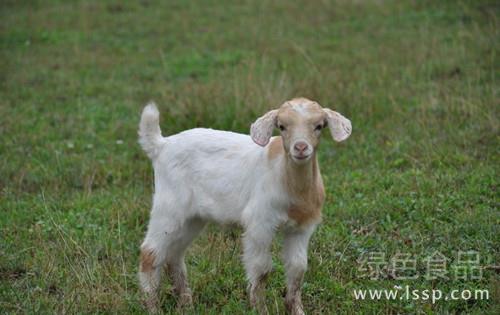
Lamb
1 Causes of the disease:
1. Insufficient mineral and vitamin content in the diet of ewes and lambs, especially calcium and phosphorus deficiency or an imbalanced ratio, leads to mineral metabolism disorders.
2. During the suckling period, lamb wool grows especially fast and requires large amounts of sulfur-rich protein or amino acids needed for wool growth. If such protein is insufficient, it will cause lambs to eat wool.
3. After weaning, lambs have short grazing time and are not supplemented in time. When lambs are hungry, they eat feed and forage mixed with wool.
4. The dirty wool around the udder, teats and legs of lambing ewes is not cut off, and newborn lambs accidentally swallow wool while suckling.
5. During housing, lambs are kept at too high a density and bite each other's wool, which enters the intestines and causes the disease.
2 Clinical symptoms:
In the early stage of the disease, lambs bite and eat the ewe's wool, especially favoring biting contaminated wool on the abdomen, thighs and tail. Lambs also bite each other's hair. When wool balls form masses, they can block the abomasum and intestines. Lambs show a tendency to lie down, teeth grinding, digestive dysfunction, constipation, abdominal pain, and bloating in the gastrointestinal tract; in severe cases, they become emaciated and anemic. On abdominal palpation, hard masses of varying sizes can be felt in the abomasum, intestines and rumen, and the lambs are restless with pain. If the condition is severe and treatment is not timely, it can lead to death.
3 Prevention and treatment measures:
(1) Routine prevention. Strengthen feeding management. Feeding should be regular and quantitative to prevent lambs from overeating. Supplement lambs with feed rich in protein, vitamins and minerals, especially green fodder, carrots, sugar beets, wheat bran, etc. Provide 5-10 grams of bone meal daily and supplement table salt appropriately. Pay attention to the cleanliness and hygiene of lambing ewes and the sheep shed. After a lambing ewe gives birth to lambs, cut off the long wool around the udder, on the teats and the dirty wool on the legs, disinfect with 2%-5% Lysol, and then let the lambs suckle.
(2) Medication treatment. 1. Drench with vegetable oil, liquid paraffin, artificial salt or sodium bicarbonate. 2. For those with diarrhea symptoms, provide cardiac stimulation and fluid replacement. Inject sodium camphorsulfonate or caffeine sodium benzoate 5-10 milliliters intramuscularly, 2 times a day. Use 500-1 000 milliliters of 5% glucose saline and 200 milliliters of 25% glucose for intravenous drip, once a day. When there are symptoms of acidosis, 200-300 milliliters of sodium bicarbonate injection can be given intravenously each time, once a day. 3. For every 5 lambs, feed 1-2 eggs per day, crush them together with the eggshells, mix into the feed or put into milk and feed. Feed for 5 days, stop for 5 days, then feed for another 5 days, which can control wool-eating disorder. 4. Thoroughly mix 40 parts table salt, 25 parts bone meal and 35 parts calcium carbonate, mix in a small amount of wheat bran, place in the feed trough and let the lambs lick freely. 5. Supplement emaciated lambs with vitamins A and D and trace elements; especially lambs that lick and eat wool should be given focused supplementation. 6. For severe cases, the abomasum can be cut open and the wool balls removed.