Scientific Winter Rearing of Angora Rabbits and High-Yield Wool Production Techniques
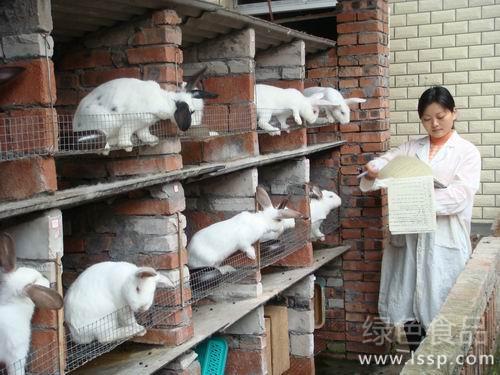
Angora Rabbit Farming
Wool-enhancing high-yield techniques for Angora rabbits are an important part of the rabbit farming industry, and are especially important in the severe cold of winter.
1. Scientific Feeding
Angora rabbits are somewhat selective about feed; for example, they prefer leafy feed and sweet-tasting feed, and are especially fond of carrots and sulfur-containing feed. Where conditions permit, adding a small amount of sugar, earthworm powder or vegetable oil to the daily ration can improve palatability. Some sulfur-containing amino acids, such as methionine and cystine, can also be added to the feed. In addition, feeding more green feed containing vitamin A, such as Chinese milk vetch, carrots and grass-family forages, ensures the nutrients needed for rabbit wool growth and promotes wool production. Supplementing with zinc sulfate can also increase wool output in rabbits.
2. Medicated Baths to Promote Growth
Medicated baths can accelerate rabbit wool growth, increase wool yield by more than 20%, and make the wool white and lustrous, loose and less prone to matting; at the same time, they can prevent and control the occurrence of sarcoptic mange and reduce other skin diseases. Preparation method of the bath solution: use 150-200 g of trichlorfon powder, add 50 kg of water to make a 0.3%-0.5% trichlorfon solution, then add 150 g of sulfur powder, stir until evenly mixed and dissolved, and use for bathing. Alternatively, use 100 g each of hibiscus bark and sophora root, add 2.5 kg of water, decoct, pour off the liquid and discard the residue, then add 100 g of sulfur powder and 5 kg of boiling water, stir well and let cool before bathing; this amount is enough for bathing 20 Angora rabbits. Bathing method: carry out within 10 days after shearing, choosing warm weather.
3. Raise More Female Rabbits
Female rabbits of the same breed produce about 30% more wool than male rabbits, and the wool quality is better than that of males. Therefore, when breeding young rabbits, separate or remove the male rabbits within 10 days so that the young female rabbits can eat their fill, which helps them develop faster and have fewer diseases.
4. Reasonable Wool Harvesting
The method and technique of wool harvesting are directly related to the yield and quality of rabbit wool. The wool harvesting technique should be mastered proficiently in order to benefit the health of Angora rabbits, promote wool growth, and improve the yield and quality of rabbit wool.