-

How can wolfberry gall mites be controlled and completely killed?
Wolfberry gall mite, also known as big gall mite, is a common pest that harms the leaves, flower buds, young fruit, tender stems, petals and flower stalks of wolfberry. So how do you kill wolfberry gall mites? How to prevent them? How to kill wolfberry gall mites? You can directly use 50% Shamandan suspension concentrate
-
How to control wolfberry aphids? Latest technical method tutorial
When planting wolfberry, the most important pest is the aphid. Under suitable conditions, it can occur 15 generations a year, with extremely strong reproductive capacity, which will lead to weakened tree vigor and reduced yield, seriously affecting the economic returns of growers. So how should wolfberry aphids be controlled? Let's
-
The Latest Cultivation Techniques and Methods for Digupi: A Tutorial
Digupi, also known as Chinese wolfberry root bark, is the root bark of the Chinese wolfberry (Lycium chinense). It can be used as medicine and has the effects of reducing fever, cooling the blood, and clearing the lungs to reduce internal heat. It is fairly widely used and is distributed across most regions of our country. So how should Digupi be cultivated? Let's take a look together. 1.
-
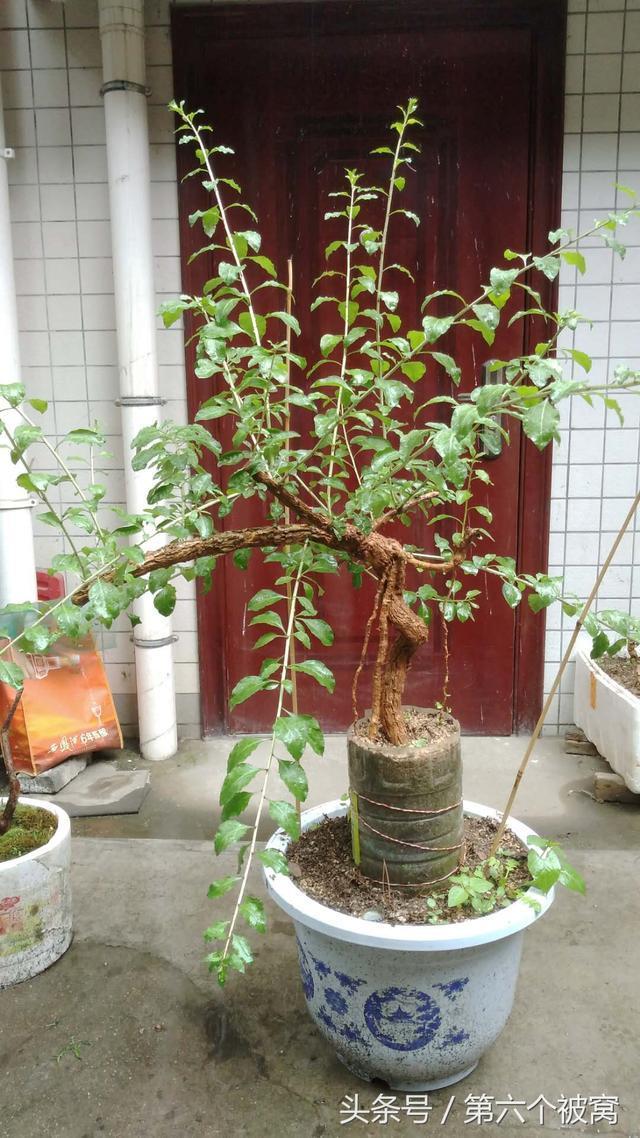
Two Wolfberry Trees Are No Longer Young - Try Managing Them This Way
No Longer Young: A friend sent me two wolfberry stumps and asked me to help figure out how to shape them. Two...
-
Detailed Explanation of Key Points of the New Technology for Wolfberry Cutting Propagation
Key Points of the New Technology for Wolfberry Cutting Propagation
-
Full analysis of the key technical points for the prevention and control of wolfberry pests and diseases
Wolfberry pest and disease prevention and control techniques
-
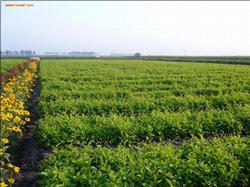
Detailed Explanation of the Techniques and Methods for Establishing Fast-Growing Goji (Wolfberry) Plantations
Goji has strong adaptability and can tolerate cold, drought, and salinity-alkalinity. It can grow in sandy loam, loam, loess, and sandy wasteland saline-alkali soils alike. Goji prefers a cool climate; it loves light and loves fertilizer. II. Propagation Methods. Goji flowers are solitary or several clustered in the leaf axils, with a pink or pale purple-red corolla bearing dark purple vein patterns; the pedicels are slender...
-
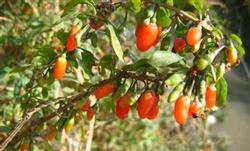
How to prevent and control wolfberry black fruit disease? These methods are very practical
Wolfberry black fruit disease damages the green fruit, flowers and buds of wolfberry, and also damages young shoots and leaves. From the early fruiting stage in early May to the late fruiting stage in mid-October, wolfberry can be infected by this disease. From May to June, when the daily average temperature is above 17°C, the relative humidity is around 60%, and there are 2~3 rainy days per ten-day period, the disease can occur in the field. From July to September, when the daily average temper...
-
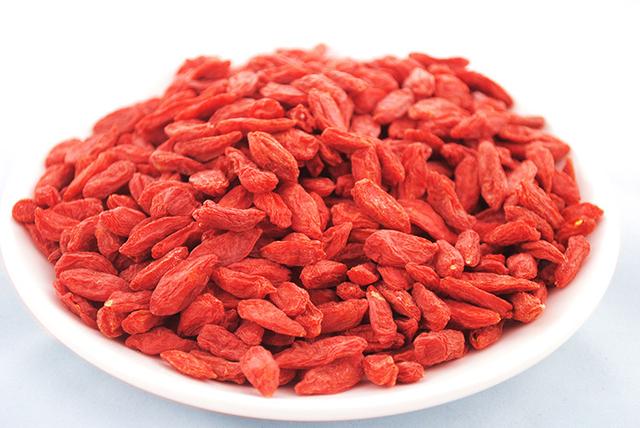
Goji (Wolfberry) Cultivation Techniques and Disease and Pest Control Methods
Cultivation of Goji and Disease and Pest Control
-
What are the control methods for the wolfberry psyllid?
The wolfberry psyllid, also called pig-snout honey or jaundice, belongs to the family Psyllidae and is a major pest of the wolfberry (goji). Adults and nymphs damage branches and leaves, sucking sap, which weakens the tree, causes early leaf drop, and seriously affects the following year's yield. The wolfberry psyllid has 4 generations a year, overwintering as adults in bark crevices, wall cracks, soil cracks, dead branches and fallen leaves, and weeds. In late March of the following year, the adults emerge from dormancy, reproduce and cause damage; damage is most severe from June to October, and at the end of October the last-generation adults overwinter. Its control methods are the same as those for aphids.
条件筛选