-

High-efficiency cultivation technique for oyster mushrooms without spraying water for humidification
The narrow-shed no-spray high-efficiency cultivation method for oyster mushrooms combines the advantages of the soil-burial cultivation method and the mushroom-wall cultivation method, making the cultivation and management of oyster mushrooms simpler, with excellent quality and high yield. The method is: after harvesting the first flush of mushrooms, remove the mushroom blocks from their bags and build a mushroom wall around the four earthen walls of the shed. The outer ends of the wall are bonded block-to-block with sealing mud, the interior of the wall is entirely filled with nutrient soil, and a water trough is built on top of the wall for replenishing water and nutrients. The advantages of this method are mainly five: (1) Before building the mushroom wall, first let the blocks produce one flush of mushrooms; the wall built from already-shrunk blocks does not deform, does not dry-crack,
-
Canned Jar Cultivation of Lion's Mane Mushroom Without Cotton Plugs
Lion's mane mushroom (Hericium erinaceus) is delicious and highly nutritious, enjoying the reputation of a "mountain delicacy." It also has good medicinal value, with notable efficacy against gastric and duodenal ulcers and indigestion, as well as an ideal preventive and therapeutic effect on tumors, especially cancers of the digestive tract. Artificial cultivation offers considerable development prospects. Cultivation methods are generally based on bottle cultivation, bag cultivation, and log cultivation. In the author's years of experience, cultivation in canned jars offers easily available containers that can be reused, with low cost. Using corncobs as the raw material and plastic film sealing instead of cotton plugs makes the operation simple, with thorough sterilization
-
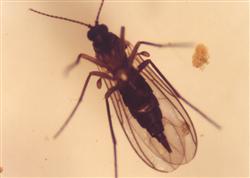
Detailed Explanation of a New Method for Cultivating Mushrooms Without Manure
Fungus gnats, also known as "gall midges," reproduce very quickly and often carry bacteria that cause mushroom diseases; their larvae (maggots) come in white and orange varieties. Fungus gnats often lay eggs on the compost used for producing mushrooms, the eggs begin to hatch before the mycelium has fully colonized the compost, and by the time the first flush of mushrooms appears the larvae have already grown and bore into the mushroom stems and caps to cause damage. Because...
-
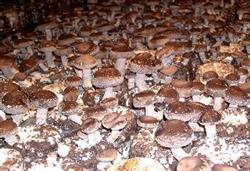
Temperature-difference bud-induction technique for shiitake mushrooms grown on layered shelves without removing the bags
The fruiting stage of summer mushrooms falls in the hotter season, which is unfavorable for the growth and development of the fruiting bodies. Poor management easily leads to shriveled buds and rotten mushrooms. How can cultivation protection facilities be used and corresponding measures taken to curb the effects of the adverse environment? This is the most important part of fruiting management in summer cultivation. According to the experience of the main producing areas, the main measures are as follows...
-
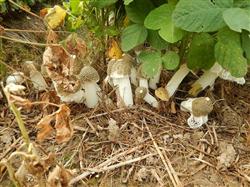
Methods and Key Technical Points for Growing Dictyophora (Bamboo Fungus) on Raw Substrate Without a Shed
How is Dictyophora grown on raw substrate without a shed? Please give an introduction. Dictyophora is known as the "Queen of Fungi" and is a precious edible mushroom in our country. Since the early 1990s, when Gutian County, Fujian Province, first succeeded in cultivating Dictyophora on raised beds under a shade shed in the field, inoculation in spring of the same year was achieved, and after mycelial growth and cultivation the harvest period began. The yield of dried Dictyophora per square meter reached 250-350 grams, with high yields reaching 500 grams. The production cycle was shortened by two thirds, and the yield per unit area increased 10-fold, an efficient result. In recent years, new breakthroughs have been made in cultivation techniques, adopting the "raw substrate, shed-free, multi-form cultivation method," which not only gives stable and high yields, saves labor and materials, and lowers costs, but also broadens the cultivation field and resolves the contradiction of "mushrooms competing with grain for land," bringing about another new leap in Dictyophora production.
条件筛选