-
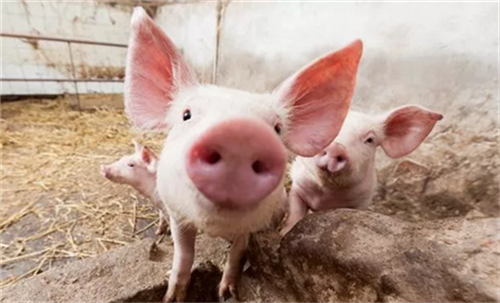
How to prevent diarrhea in piglets without antibiotics
Without antibiotics, how do piglets avoid diarrhea
-
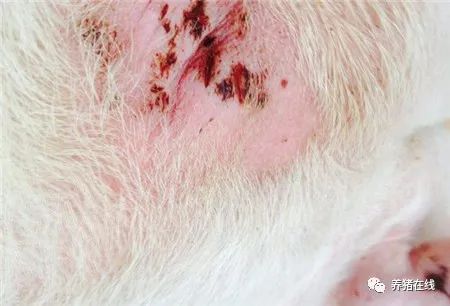
How to treat pig wounds? You can learn it even without veterinary knowledge
How to treat pig wounds? Let you become a veterinarian without studying
-

Cactus care tips for winter: overwinter it easily without worry
As everyone knows, cacti have a good ability to purify the air and protect against radiation, and precisely for this reason, people have always been especially fond of cacti, and many people will...
-

The role of nitrifying bacteria: make aquarium water clear without spending money 1 2 3 4 5 6 A detailed explanation of the application of nitrifying bacteria in aquaculture!
Many people have developed certain misunderstandings about nitrifying bacteria. Some think nitrifying bacteria can decompose feces; some think they can purify water quality and neutralize...
-

Which duck breeds lay the most eggs, and what should they eat for a high laying rate without dirtying the eggs?
Which breeds of laying ducks lay the most eggs
-
Warm weather gradually arrives in the third month of spring; prepare mulberry and silkworms without delay
The sluggish cocoon price market in 2007 affected silkworm farmers' enthusiasm for planting mulberry and raising silkworms to a certain extent. For farmers in the key sericulture townships of Chun'an County, planting mulberry and raising silkworms is still the main source of household income. Therefore, the author reminds the broad community of silkworm farmers to treat the sluggish cocoon market rationally and not to easily waver in their enthusiasm for raising silkworms. At present, it is necessary to seize the favorable opportunity to order enough good spring silkworm eggs, do a good job in mulberry field fertilization and management, and strive to make a comeback in the Year of the Rat. Relevant provincial experts believe that the sharp
-
New technology for transporting live fish without water: they can stay alive even out of water
An aquaculture company in the Philippines has introduced a new technology that makes it possible to transport live fish without water. As the saying goes, "Fish cannot live without water, and melons cannot grow without vines." What is called "transporting live fish without water" actually uses a special method to make the fish "hibernate." The inventor of this technology, Comandante, explained that the process of transporting live fish without water is carried out in three steps. First, keep the live fish in water and starve them for two to three days to eliminate waste from their bodies, then put the fish into plastic bags; the second step is to add
-
Detailed Explanation of Key Techniques for Raising Snakes Without Hibernation in Winter
Snakes have the habit of hibernating. In southern regions, snakes generally enter hibernation in November each year, lasting about half a year, which is unfavorable for the benefits of snake farming during the cold winter and spring seasons. How can this shortcoming be overcome? The best approach is to create the following conditions so that snakes do not hibernate during the cold season and continue to eat and gain weight. 1. Create a good heated room. The heated room should be sealed on all four sides, maintaining an indoor temperature between 20°C and 28°C, so as to accommodate the snake's internal body temperature. The heating room facilities are as follows: ① Use a coal stove to make a fire, with exhaust gas discharged outside. If building one to hold
-
Detailed Explanation of Techniques for Raising Fish Fry in Reservoir Cages Without Feeding
In reservoirs with fertile water quality, using cages to raise silver carp and bighead carp fry without feeding is not only practical and feasible, but also has advantages such as not occupying fry ponds, not spending on fish feed, and low cost. Without feeding, raising one silver carp or bighead carp fry of about 13cm in a cage in a reservoir costs less than 0.10 yuan, while raising one fry of the same size in a pond costs more than 0.10 yuan; converted per mu, the yield is about 150,000 fry/mu or more, which is 30-40 times that of internal ponds. Therefore, reservoir cage culture without feeding
-
Which diseases cause high fever in pigs without purple patches on the skin?
1. Japanese encephalitis: The body temperature of affected pigs is 40-41°C, with teeth grinding, circling, visual impairment, and blind charging. Sows abort, and boars develop orchitis, which gradually atrophies and hardens, causing loss of breeding ability. For treatment and drug prevention, antiviral preparations such as amantadine and ribavirin combined with interferon, along with traditional Chinese medicine preparations for clearing heat and detoxifying, and antipyretic-analgesic preparations, should be used together, which has a certain therapeutic effect. 2. Pseudorabies: It mostly occurs in piglets aged 1-4 weeks, and piglets over 60 days of age show mild symptoms. Body temperature is 41-42°C. In the early stage of the disease, the pigs are restless and excitable
条件筛选