-
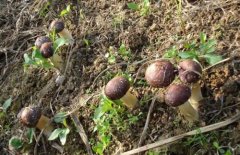
The Latest Cultivation Techniques, Formulas and Planting Times for Wine Cap Stropharia (Stropharia rugosoannulata): A Detailed Guide
Do you know how to grow wine cap stropharia? Would you like to grow it yourself? Below we introduce a simple yet high-yielding cultivation method. Let's take a look. 1. Substrate preparation: rice straw 100%, plus wheat bran or rice bran 10%, cornmeal 5%, gypsum powder 2%,
-

Detailed Guide to High-Yield Cultivation Techniques for Wine Cap Mushroom and Yield per Square Meter
Summary Season: generally two crops can be cultivated per year, usually one crop each in September to December and December to May. Site: requires an adequate water source and fertile land, avoid sunlight exposure, and do not choose ground that is too low or prone to waterlogging. Disinfection: the site needs to be
-
A Detailed Guide to Wine Cap Mushroom Spawn Formulas and Production Timelines
Abstract Maltose yeast agar medium: soy peptone 1 g, yeast 2 g, maltose and agar 20 g, add water to 1,000 ml. Potato dextrose yeast agar medium: potato 300 g, yeast 2 g, soy peptone 1 g, glucose 10 g, agar 20 g, add
-
The Latest Cultivation Techniques and Methods Tutorial for Wine Cap Mushroom
The wine cap mushroom, also known as the wrinkled globe stropharia, wrinkled stropharia, wine-red stropharia, etc., is a fungus of the family Strophariaceae and the genus Stropharia. It is not only one of the top ten mushrooms on the international mushroom trading market, but also one of the mushroom species recommended by the Food and Agriculture Organization of the United Nations for cultivation in developing countries. It has
-
When to Plant Wine Cap Mushrooms, Suitable Sites, and How to Prepare Coffee Husk Substrate
The wine cap mushroom, also known as the wrinkled gianthttp stropharia, wrinkled stropharia, or wine-red stropharia, is rich in protein, vitamins, minerals, polysaccharides and other nutrients, and is one of the top ten mushrooms on the international mushroom trading market. So, when should wine cap mushrooms be planted? Suit
-
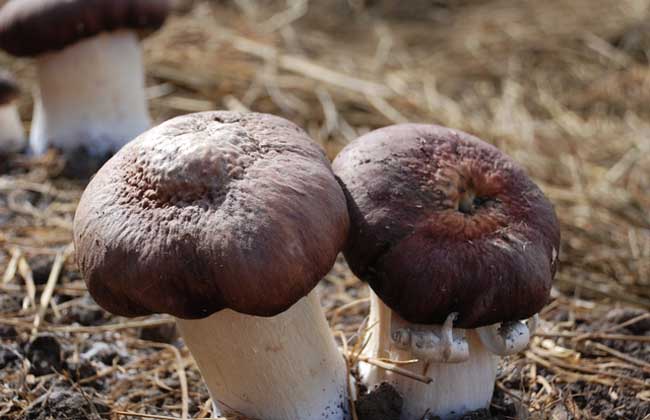
Detailed Explanation of Key Cultivation Techniques and Management Methods for Wine Cap Mushroom
Cultivation Techniques for Wine Cap Mushroom
-
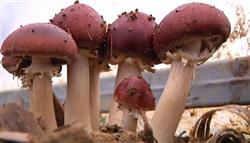
What Is Wine Cap Mushroom? Get to Know This Edible Fungus
What is the wine cap mushroom? Here is an introduction. Zhongdi Network has compiled information on the wine cap mushroom, listed below for readers' reference. The wine cap mushroom, also known as the wrinkled giant stropharia, wrinkled stropharia, or burgundy mushroom, is one of the top ten mushrooms on the international mushroom trade market, and is also one of the fungi recommended by the United Nations [Weibo] Food and Agriculture Organization (FAO)...
-
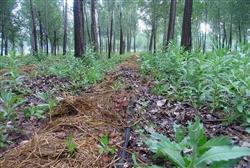
How to Grow Wine Cap Mushrooms in an Orchard? A Detailed Guide to Cultivation Techniques
How do you cultivate wine cap mushrooms in an orchard? Here is an introduction to the method. To cultivate wine cap mushrooms in an orchard, you can refer to the following method: using pure rice straw or wheat straw for raw-material cultivation of wine cap mushrooms in the orchard, each square meter can produce 10-15 kg of fresh mushrooms, each mu can be used to cultivate 100 sq m, yielding 1000-1500 kg of fresh mushrooms, after...
-

Wine Cap Stropharia (Stropharia rugosoannulata) Cultivation Techniques: Video and Image Collection
Wine Cap Stropharia, also known as Zhuohuan Wine Cap Stropharia, Wine-red Stropharia, or Zhou Stropharia, is one of the rare new edible mushroom species recommended by the Food and Agriculture Organization of the United Nations to developing countries. This mushroom is rich in nutrients, with tender flesh, crisp stems, and good taste. Dried mushrooms have a rich aroma comparable to shiitake, and are highly favored by consumers. I. Biological Characteristics...
-
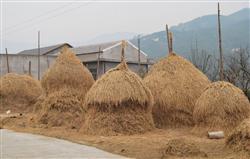
How is the wine-cap stropharia cultivated with raw rice straw?
How is the wine-cap stropharia cultivated with raw rice straw? Please explain the method. The cultivation of the wine-cap stropharia mainly uses raw materials such as rice straw, corn stalks and wheat straw, which are very easy to find in rural areas and cost very little. After cultivation, the spent material is also a high-quality organic fertilizer that can be used to improve the soil. According to measurements from small-area cultivation, its biological...
条件筛选