-
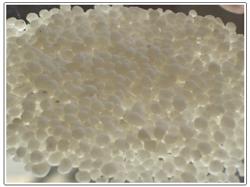
What precautions should be taken when using high-nitrogen compound fertilizer?
What should be noted when using high-nitrogen compound fertilizer? Please give an introduction. Currently, various types of high-nitrogen compound fertilizer are available on the market, and their common feature is a high nitrogen content, making them suitable for one-time application or as a topdressing for corn. However, an issue to note is that high-nitrogen compound fertilizer is generally ammonium-based or urea-based compound fertilizer, and during production it tends to...
-
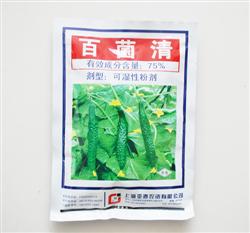
What precautions should be taken when using fungicides?
What should be noted when using fungicides? When using fungicides, note the following: 1. When choosing a fungicide, first understand the nature of the fungicide. There are two types of fungicides. One is a protective agent, which is used to prevent plant disease, such as Bordeaux mixture, mancozeb, carbendazim, etc.; the other is...
-
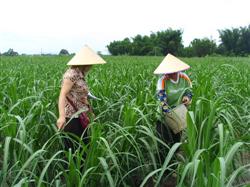
What should be noted when using ammonium bicarbonate for agricultural use?
What should be noted when applying ammonium bicarbonate for agricultural use? Please give an introduction. The following points should be noted when applying ammonium bicarbonate for agricultural use: 1. Ammonium bicarbonate must not be mixed with alkaline fertilizers, to prevent nitrogen volatilization and loss of nitrogen. 2. Foliar spraying is taboo. Ammonium bicarbonate is highly corrosive to crop leaves...
-
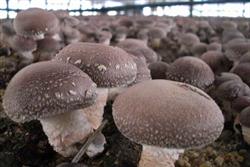
Six key taboos to remember when using bacterial biological insecticides
Edible fungi suffer pest damage during the mycelium growth and mushroom fruiting stages due to the distinctive odor of the mycelium, so insecticides are often used when pest damage occurs. When pest damage occurs in edible fungi, the first step is to choose insecticides that are highly effective, low in toxicity, and have a short residual life, such as decis and dichlorvos; do not use banned substances such as benzene hexachloride (BHC) and DDT...
-

Six precautions to note when using bacterial biological insecticides
Biological pesticide: BT, Chinese name Bacillus thuringiensis, is a bacterial insecticide. This variety has been fully used in the main vegetable-growing areas of our country and has achieved good economic benefits. However, there are currently many BT manufacturers with varying quality, so when using it you must choose a variety of good quality. Note: BT is effective when the temperature is slightly higher...
-
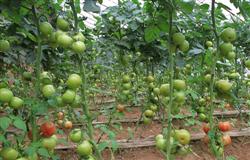
What are the key points to note when using foliar fertilizer on tomatoes?
When using foliar fertilizer on tomatoes, note the following points: 1. Determine the type of nutrient according to the growth status of the tomatoes. Generally speaking, in the early fruiting stage the plants grow vigorously and are prone to excessive vegetative growth, so foliar nutrients that promote stem and leaf growth should be used sparingly, and potassium dihydrogen phosphate, compound fertilizer, etc. can be chosen. In the peak fruiting stage the plant growth...
-
Five misconceptions to avoid when using plant growth regulators
Organophosphate insecticides are the most widely used and highest-volume class of insecticides in China, with many varieties and vastly differing properties, but taken together they have the following characteristics: (1) A relatively broad insecticidal spectrum. The organophosphate insecticide varieties commonly used today can control many agricultural and forestry pests, and some can be used to control public health pests...
-
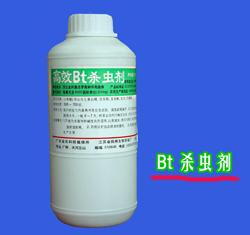
Four points to note when using Bt insecticides
Bt is a bacterial insecticide, belonging to a variety of the Bacillus thuringiensis group, and is very effective against lepidopteran larvae. When using it, pay attention to the following issues: 1. First, pay attention to the quality of Bt. Generally, it is required to contain more than 10 billion spores per milliliter (or per gram), and the application concentration is 500-700 times. If the product...
-
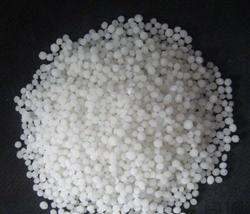
What should be noted when using urea?
How is urea applied? Here is an introduction to the field application methods of urea: it can be used as a base fertilizer and as a top dressing, but is not suitable as a seed fertilizer. When urea is used as a base fertilizer, two points should be noted. First, it should be applied deeply and covered with soil; do not irrigate immediately after application, to prevent the urea from leaching into deeper layers. When urea is used as a base fertilizer on dryland, be sure to apply...
-
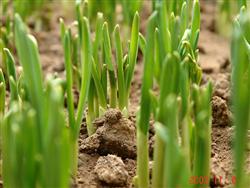
What precautions should be taken when using herbicides in farmland?
How should herbicides be applied to chive seedlings? Please advise. Chives are relatively sensitive to acetochlor, so acetochlor should not be used for soil-closure treatment. After sowing chives and before emergence, prometryn, pendimethalin, and butralin can be used for soil-closure treatment. Among them, prometryn is mainly used to control broadleaf weeds, while pendimethalin and butralin...
条件筛选