-

What are the characteristics of Chinese floral art and how is floral design classified?
Traditional Chinese floral art is represented by literati flower arranging and has four major characteristics. (1) Line characteristics: Chinese floral art is mainly based on naturalistic lines. "Line" is the bone of Chinese floral composition. Lines have extremely rich expressive power; different lines express different forms and spirits: some are soft, some are vigorous; some are delicate, some are bold and rugged; some are elegant; some are aged. Floral art makes use of the myriad forms of plant flowers, branches and leaves, and through the length and thickness, curves and straightness, pauses and turns, strength and softness, and the balance of solid and empty of lines, it sketches out different forms that are simple, graceful, lean and strong, or bold and rugged, creating floral artworks of countless varied forms.
-
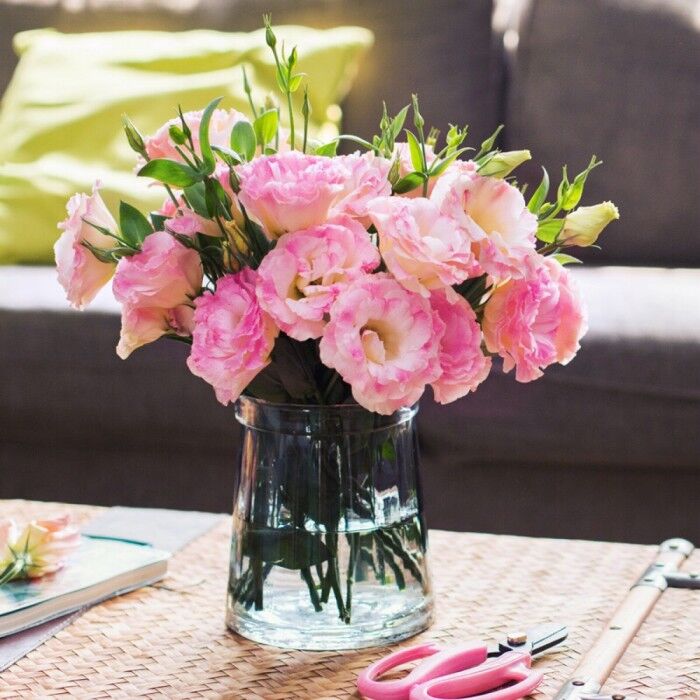
What are the classifications of flower arranging art? A detailed explanation of the three major principles of flower arranging
Flower arranging and floral creation are like painting. Before starting, one should have "the flower in mind," that is, have a clear idea of the choice of flower materials, leaf materials, overall modeling structure, colors, and the final effect. The three principles of flower arranging: First, harmony between the setting and the objects is required
-
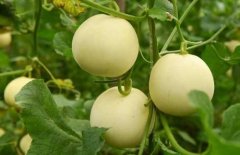
What Are the Growing Regions of Muskmelons? A Full Guide to Variety Classification and Selection Tips
Muskmelons can be roughly divided into three types: the netted muskmelon, which of course has a netted rind, with flesh that can be green, white or orange; the Hami melon, oval in shape, improved from the original Hami melon of Xinjiang, elongated oval in appearance with orange flesh, and its biggest difference from the muskmelon
-
What is the current market price of yellow mealworm per jin? 2019 breeding prospect analysis and forecast... China Research Network, how yellow mealworms reproduce on the Wealth-Building Classic Video Network
This book is one of the "New Rural Construction Series." The book is divided into 11 chapters in total, mainly introducing knowledge on yellow mealworm breeding technology, with specific content including yellow mealworm disease prevention and control, the application of yellow mealworms, the application of earthworms, etc. The book can be used by major universities and colleges [more]. The yellow mealworm, also called the breadworm, has always lived in our daily lives. In the past, in rural areas, it had no value for use and would harm crops; it was the insect that farmers hated most. In recent years, yellow mealworms have been promoted and utilized, [more]
-
At what time does the national first-class protected plant "dove tree" (Davidia involucrata) bloom? Where are its main places of origin? What are its cultivation prospects? (
Davidia involucrata has been listed as a national first-class key protected wild plant. It is a monotypic genus endemic to China, a relict plant, and also a world-famous ornamental plant. So at what time does the dove tree bloom? Where are its main places of origin? What are its cultivation prospects? The blooming time of dove tree flowers. Dove tree flowers usually bloom in April.
-
What are foliage plants? These classic varieties are worth getting to know
There are many foliage plants. Let's get to know a few classic foliage plants
-
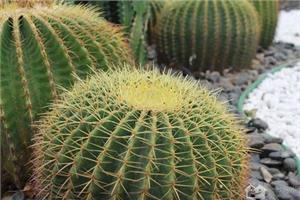
What types of cactus ball are there? A detailed classification by appearance
Types of cactus ball: Classification of cactus ball by appearance
-

What is neoclassical interior design style? What are its features
What is neoclassical interior design style? Features of neoclassical interior design style
-
What Are the Plant Classifications? Learn About the Main Types in One Article
[Plant Classification] What Are the Plant Classifications?
-
What are the types of ground cover plants? Introduction to common variety classifications
What are the types of ground cover plants
条件筛选