What are the types of ground cover plants? Introduction to common variety classifications
Generally speaking, there are many types of ground cover plants. Some friends may not be particularly familiar with this, so today I will give you a brief introduction to the types of ground cover plants. Let's take a look together.
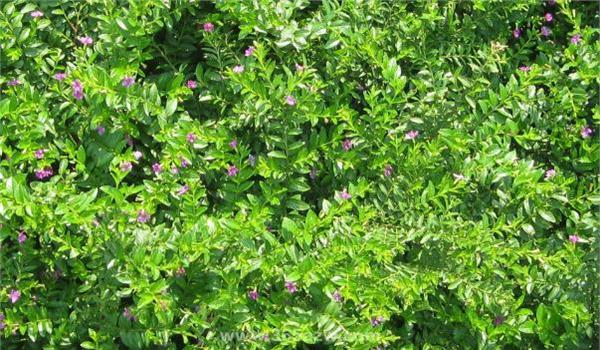
What are ground cover plants
Ground cover plants refer to low-growing plants that can be used to cover the ground surface in place of a lawn with only simple management. They include not only perennial low-growing herbaceous plants, but also some low-growing, creeping shrubs and vines with strong adaptability.
What ground cover plants are there
1. Annual and biennial flowering ground cover plants
Annual and biennial flowering plants are the most abundant among the flower group. Most are relatively low-growing, with dense and natural clumps and clusters of blooms, such as four o'clock flower (Mirabilis jalapa), moss rose (Portulaca grandiflora), daisy (Bellis perennis), pot marigold (Calendula officinalis), sweet alyssum (Lobularia maritima), and so on. Most annual and biennial flowering plants have a relaxed style and are easy to manage, making them the most indispensable part of ground cover plants. They grow especially well in sunny places, and as ground cover plants they highlight their advantages and vitality even more.
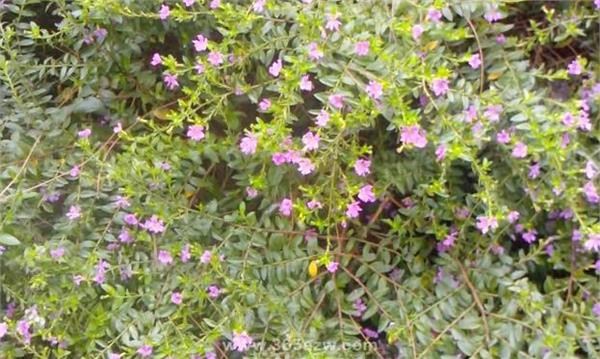
2. Herbaceous perennial flowering ground cover plants
Herbaceous perennial flowering ground cover plants have rich and beautiful flower colors, numerous varieties, and wide sources, and they also have strong reproductive capacity and require only extensive care and management, such as iris, hosta, daylily, and Chinese iris (Iris lactea var. chinensis). Herbaceous perennial flowering ground cover plants, especially shade-tolerant flowering ground cover plants, are widely used in modern times in flower beds, roadsides, and other places. Some herbaceous perennial ground cover plants with extremely high ornamental value, stable growth, and strong stress resistance are widely used in greening design; while species that bloom on holidays are often used during holiday periods, such as lily of the valley, mountain poppy, and iron hyacinth bean that bloom on May Day, and autumn zephyr lily, small chrysanthemum, and dwarf canna that bloom on National Day.
3. Herbaceous perennial foliage ground cover plants
Most herbaceous perennial foliage ground cover plants are relatively low-growing, with dense leaf clusters close to the ground, and most are relatively shade-tolerant, such as dwarf lilyturf (Ophiopogon japonicus), grassleaf sweetflag (Acorus gramineus), and Japanese rosea (Rohdea japonica). Herbaceous perennial plants are widely used in modern landscape greening, with good ecological effects and strong ornamental value. Plants such as saxifrage and ferns with beautiful leaf shapes and strong shade tolerance, and broad-leaved foliage plants with high economic value such as mint and ageratum, are also attracting more and more attention.
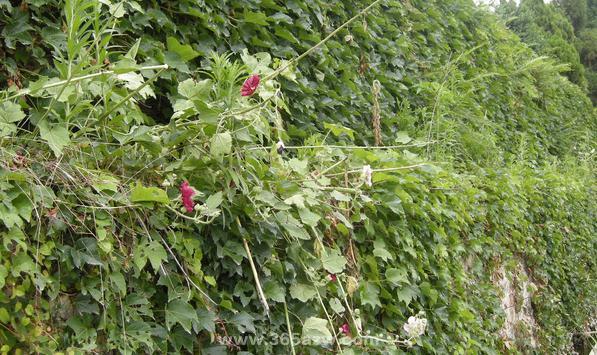
4. Aquatic and moisture-tolerant ground cover plants
Aquatic and moisture-tolerant ground cover plants are used relatively often in places with water. In modern landscape construction, generally around ponds, streams, and water body edges, it is often necessary to select suitable, strongly moisture-tolerant aquatic and moisture-tolerant ground cover plants to beautify the environment and accent the landscape, while also helping prevent and control the harm of weeds to water bodies, such as arrowhead (Sagittaria sagittifolia), sweetflag (Acorus calamus), and water plantain (Alisma plantago-aquatica).
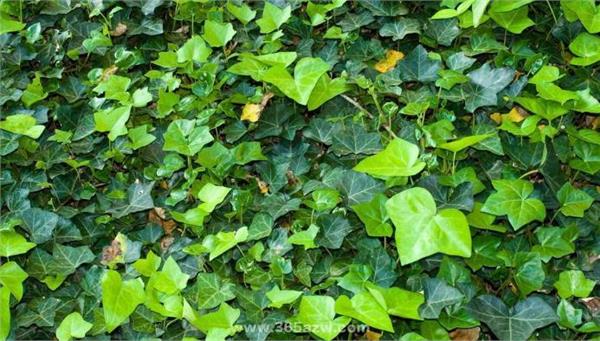
5. Vine ground cover plants
Vine plants can generally climb or grow horizontally to cover the ground, with very long branches and tendrils, and their coverage area can exceed that of ordinary low shrubs several times over, giving them advantages that other ground cover plants do not have. Existing vine ground cover plants can be divided into two major categories: woody and herbaceous. Herbaceous vine branches are slender and soft, delicate and beautiful, such as strawberry and cypress vine (Ipomoea quamoclit); woody vine branches are thick and sturdy, and most have creeping habit, capable of forming a thick ground cover layer, such as ivy, Virginia creeper (Parthenocissus quinquefolia), wild grape, and honeysuckle.