What Are the Plant Classifications? Learn About the Main Types in One Article
There are many plant classifications, and some friends may not be particularly familiar with them yet, so today we will give a brief introduction to plant classification. Let's take a look together.
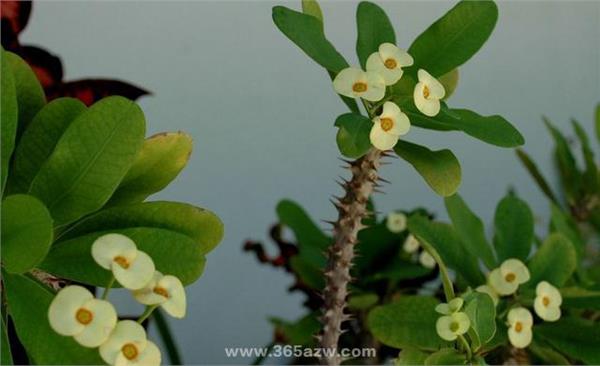
What Are the Plant Classifications?
1. Gymnosperms
Gymnosperms are primitive seed plants with a long history of occurrence and development. The earliest gymnosperms appeared in the Paleozoic Era, and from the Mesozoic to the Cenozoic they were the main plants spread across every continent. Gymnosperms are mostly trees, with a few being shrubs or woody vines, usually evergreen, with needle-shaped, linear or scale-like leaves, and very rarely flat broad leaves (such as Nageia nagi). Most secondary xylem has only tracheids, and very few have vessels, such as Ephedra.
2. Angiosperms
In plant classification, about 100 million years ago, gymnosperms declined from their prosperity, and angiosperms developed, becoming the most widely distributed and most species-rich plants on Earth. Angiosperms are also called flowering plants. They have true flowers, and these beautiful flowers are important organs for reproducing offspring and are also a prominent feature that distinguishes them from gymnosperms and other plants. Angiosperms have more than 10,000 genera and about 300,000 species, accounting for half of the plant kingdom. It can be said that many of the flowers and plants we see belong to the angiosperms.
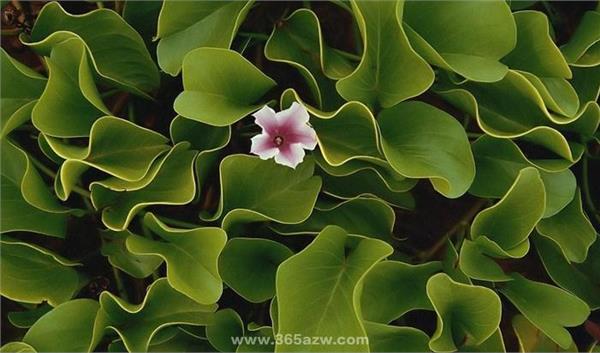
3. Bryophytes
At least 18,000 species, which can be divided into 3 classes: Hepaticae, Musci and Anthocerotae. Most bryophytes are 2-5 cm tall, and a few species reach up to 30 cm. Bryophytes are widely distributed around the world and can be seen from the polar regions to the tropics. They flourish most in humid environments, but there are no marine species, and they are extremely tolerant of long-term dry and freezing conditions. They have important economic value for humans, can be used in agriculture and horticulture, and are also an energy source. Some bryophytes are used as ornamental plants, such as in bryophyte gardens.
4. Ferns
Ferns are the general term for woody plants that grew in lowlands during the Devonian Period. They need water as part of their reproductive cycle, and from then on various different types derived from them. Today they are still plants with extremely strong vitality. Many ferns have graceful forms and high ornamental value, and are famous foliage plants. Examples include Adiantum, Asplenium, Platycerium, Alsophila, Matteuccia, Nephrolepis, and especially the Boston fern.
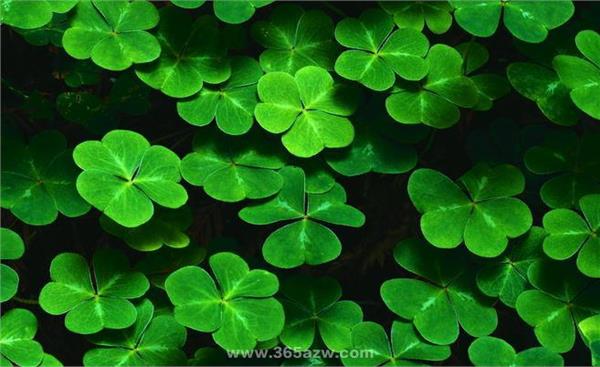
5. Algae
Includes several different types of organisms that produce energy through photosynthesis. They are generally considered simple plants, and some algae are related to more advanced plants. Although other algae appear to have obtained photosynthetic ability from blue-green algae, they have an independent branch in evolution. At present, algae total about 2,100 genera and 27,000 species. According to differences in contained pigments, cell structure, reproductive methods and reproductive organ structure, they are divided into Chlorophyta, Euglenophyta, Charophyta, Chrysophyta, Xanthophyta, Bacillariophyta, Pyrrophyta, Cyanophyta, Phaeophyta and Rhodophyta.
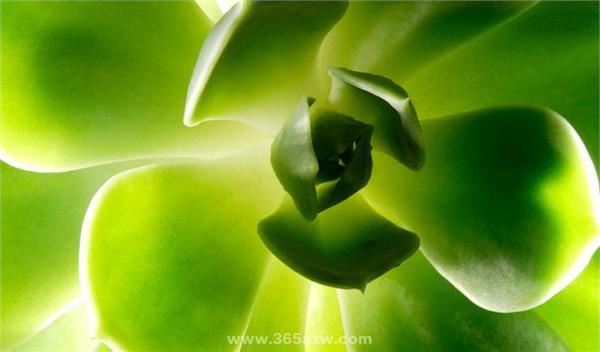
What Are the Common Angiosperms?
Common angiosperms in daily life include Populus euphratica, Pterocarya stenoptera, Populus tomentosa, and so on. Plants used for decoration at home include Michelia figo, Liriodendron chinense, Nandina domestica, peony, and so on. Ornamental plants also include jasmine, osmanthus, oleander, gardenia, and so on. Plants with great medicinal value include hawthorn, Photinia, loquat, and so on. Angiosperms cover every aspect of life, and their range of use is also very broad.