-

-
How to grow Kalanchoe synsepala (Walking Kalanchoe) succulents? Key points on watering, fertilizing and getting through summer
Kalanchoe synsepala, also known as Walking Kalanchoe, is a succulent in the Crassulaceae family, genus Kalanchoe. This article shares care tips for Kalanchoe synsepala, including soil mixing, watering and fertilizing methods, and shading and ventilation in summer, to help you easily grow a Walking Kalanchoe with beautiful leaf color.
-

Key Technical Points and Management Methods for Walking Catfish Farming
Walking Catfish Farming Techniques
-
The couple works in harmony, walking the road to prosperity hand in hand
The couple "sings the song of prosperity in harmony"
-
Cattle-raising whiz has clever tricks: walking cattle under the trees and feeding them distillers' grains
Cattle-raising whiz has clever tricks: walking cattle under the trees and feeding them distillers' grains
-
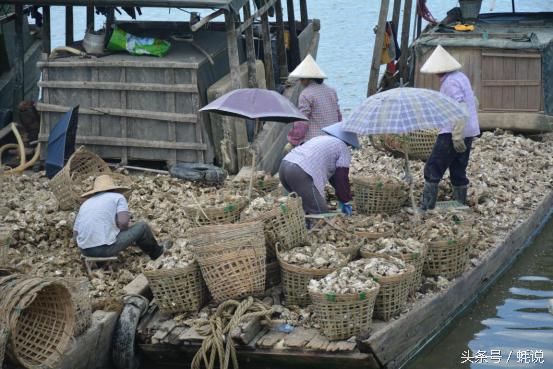
Walking into Yanlou to see the large oysters and experience the oyster farmers' way of life
Walk into Yanlou to see the large oysters and experience the oyster farmers' way of life there!
-
One-legged Beekeeper Li Zhimeng: Walking the Long Road of Beekeeping
Li Zhimeng: Walking the Long Road of Beekeeping on One Leg
-
Common Disease Prevention and Control Methods and Key Technical Points for Walking Catfish
I. Trichodiniasis: Large numbers of Trichodina (parasites difficult to see with the naked eye) attach to the gill filaments, damaging gill tissue, affecting respiration, and causing fry to suffocate and die. Prevention and control methods: (1) Per cubic meter of water, use 0.5 g copper sulfate and 0.2 g ferrous sulfate (or 0.7 g copper sulfate alone), dissolve in 40-50°C warm water, and splash over the entire pond. (2) Per cubic meter of water, use 0.5 g of 50% amobam, dissolve in water, and splash over the entire pond. II. Gyrodactyliasis and Dactylogyriasis: These two parasites attach in large numbers to the gills and secrete large amounts of mucus, hindering
-
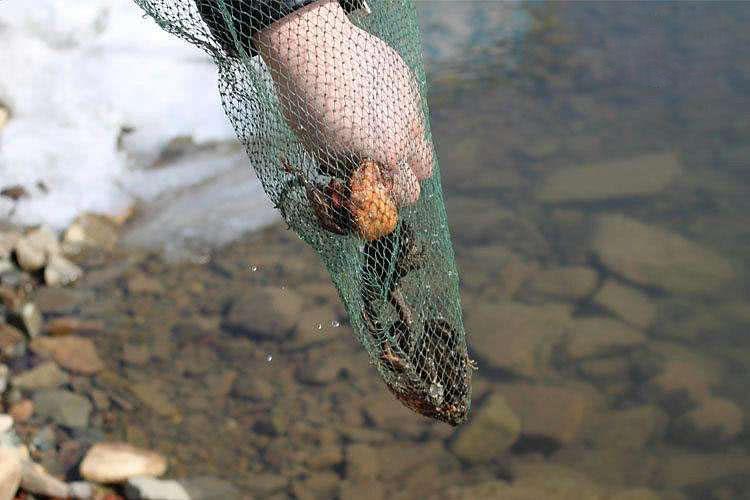
In the ice and snow, this wild delicacy rivals the Three Treasures of Northeast China and is known as the walking ginseng
When I was a child in the countryside, there were plenty of wild foods back then: wild rabbits, pheasants and so on, and occasionally you could even see wild boars, though the wild boars were never caught by people. When I was little, the source of food for improving our meals was these wild foods, or...
-
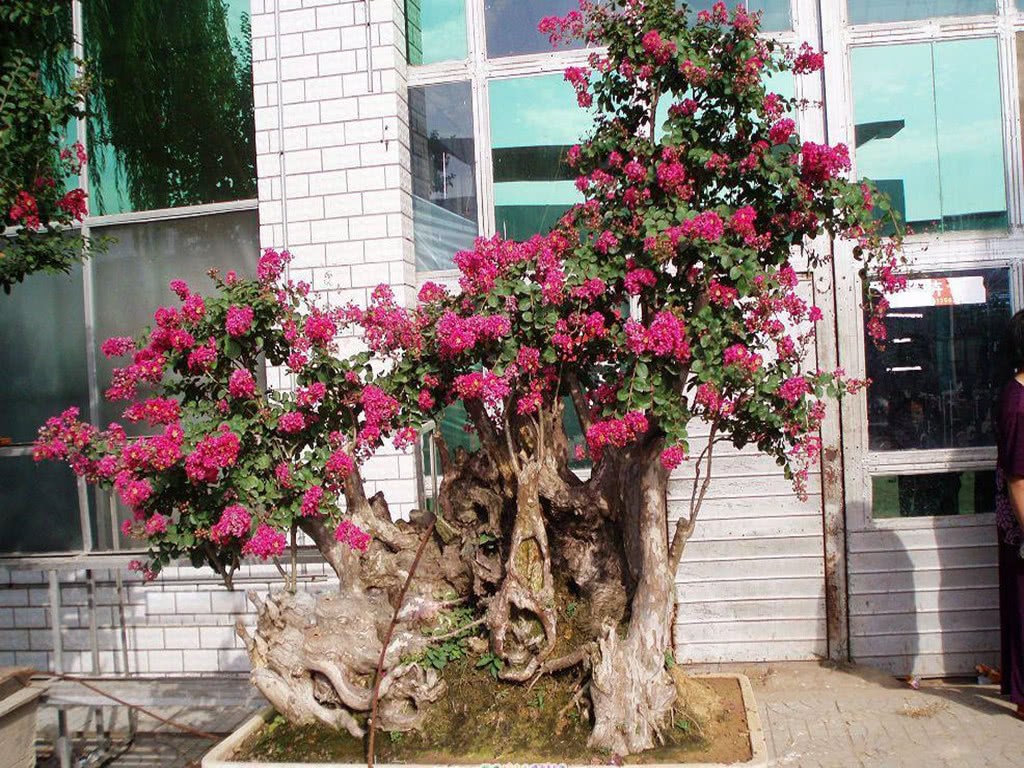
The uncle who grows bonsai stumps has a quirky habit: he gets up in the middle of the night to scratch the tree stump. Auntie asks whether he is sleepwalking or playing tricks on her.
Uncle has developed a quirky habit from growing stumps: he gets up in the middle of the night to scratch the tree stump. Auntie says: Are you sleepwalking or deliberately playing tricks on me? Uncle is a hardworking rural man who is quite good at what he does. He lives only about 500 m from my house, and I often visit his...
条件筛选