In the ice and snow, this wild delicacy rivals the Three Treasures of Northeast China and is known as the walking ginseng
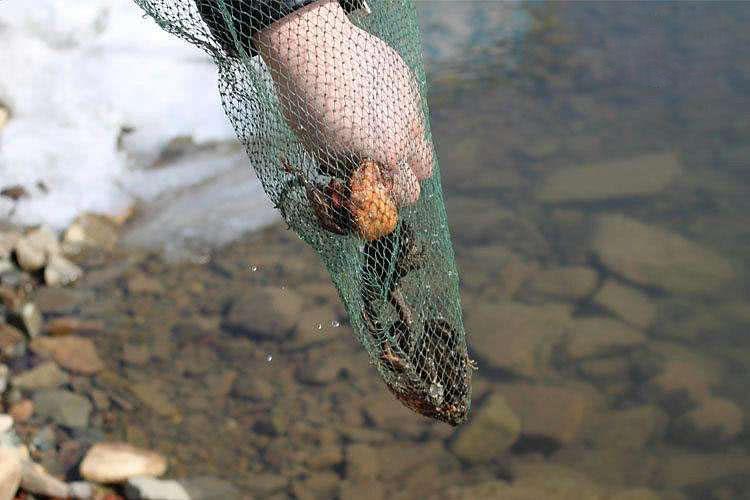
When I was a child in the countryside, there were plenty of wild foods back then: wild rabbits, pheasants and so on, and occasionally you could even see wild boars, though the wild boars were never caught by people. When I was little, the source of food for improving our meals was these wild foods, or going to the river to catch fish, because these were the only wild foods that did not cost money, and of course they tasted very good too, especially in an era when there was nothing good to eat in the countryside, when we always longed to have a meal of wild food.
Today I will introduce a kind of wild food, the forest frog. Forest frogs are mainly distributed in the north of our country and are basically never seen in the south. After October each year, the temperature in the north is already very low, so the forest frogs begin to hibernate in the water, and this is also the best season for catching forest frogs. Forest frogs normally live on insects in nature, and these insects can be considered natural green food, so the meat of the forest frog is very tender, yet the most valuable part is not its meat, but its oviduct.
The oviduct of the forest frog is what we know as snow frog, an oily substance rich in protein, amino acids and various trace elements. Its status in Northeast China is very high. Everyone knows the Three Treasures of Northeast China: ginseng, velvet antler and marten fur, and the fame of the forest frog is no less than these three treasures. It has also long been a palace delicacy and is regarded as a top-grade tonic. The forest frog is an amphibian that can live both in water and on land, so it also has a nickname: the "walking ginseng."
Besides being used as food, the forest frog is also widely used in the field of medicinal health care, especially the forest frog oil produced from forest frogs (that is, snow frog oil), which can be seen in many pharmaceuticals and health products. At present, the price of forest frog oil on the international market is also very expensive, reaching 500 US dollars per kilogram. In the past, due to people's capture and the influence of the natural environment, the number of forest frogs decreased year by year, so now it has become an endangered protected animal, and wild ones are no longer allowed to be caught.
Therefore, all the forest frogs that can be sold on the market now are artificially bred. Although breeding forest frogs has good market prospects, it has very high technical requirements, and they need to be bred at the foot of the mountains, because forest frogs have the habit of going up the mountain. In addition, facilities such as overwintering ponds must be built. It is advised that farmers without experience should not breed them casually.