-

Vitex bonsai pictures to admire, and feel the beauty of bonsai styling
Chinese name: Vitex negundo. Alternative names: Wuzhigan, Wuzhifeng, Bujing. Latin scientific name: Vitex negundo Linn. Family and genus: Verbenaceae, Vitex genus, Vitex negundo genus. Place of origin and distribution: areas south of the Yangtze River, north to the Qinling Mountains and Huaihe River, eastern Africa. Vitex negundo is one of the commonly used miscellaneous tree species for making bonsai.
-
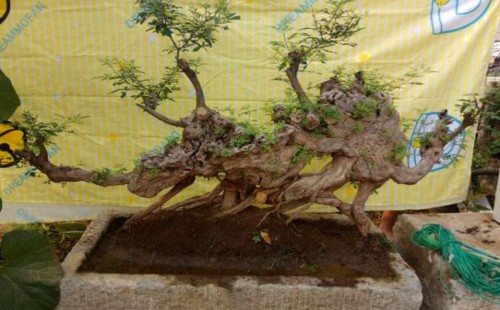
Detailed Explanation of the Production Methods and Steps of Vitex Bonsai
Vitex (Vitex negundo) has characteristics such as liking sunlight but tolerating shade, liking warmth but tolerating cold, liking moisture but not tolerating waterlogging, and liking fertile soil but tolerating poor soil. It is an evergreen tree species. It has peculiar forms, and can be appreciated both for its leaves and its shape, so it is a bonsai tree species with extremely high ornamental value. Moreover, this vitex has strong vitality
-
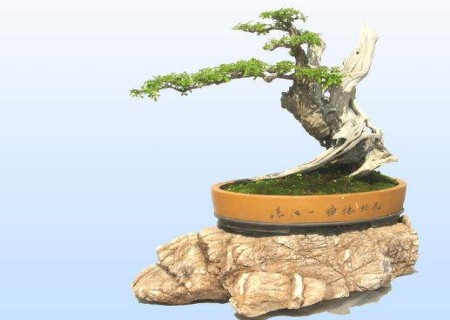
Detailed Guide to Making Vitex Bonsai: Easily Create Beautiful Shapes
Vitex is a common plant in the wild hills and mountains of the north. What we call jingtiao (vitex) usually refers to the Chinese chaste tree (Vitex negundo). Its trunk is often cracked and rough, giving it a very ancient and vigorous look. Moreover, its regenerative capacity is extremely strong: it can withstand heavy pruning, and its branches are also very soft and easy to shape, making it very suitable for bonsai.
-
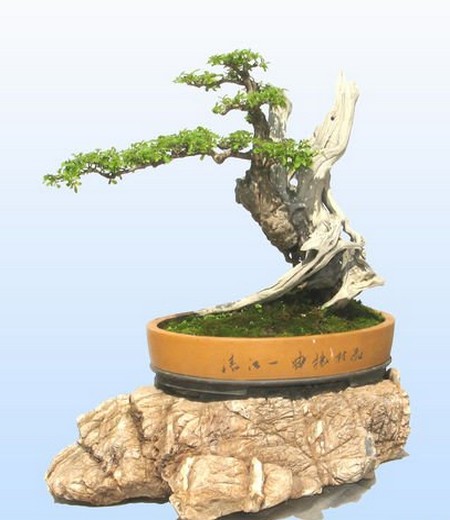
Detailed Guide to the Methods and Steps for Making a Vitex Bonsai
Vitex negundo, a deciduous shrub or small tree, belongs to the genus Vitex in the family Verbenaceae. The genus contains about 200 species, and Vitex negundo var. cannabifolia is one of them. Vitex negundo var. cannabifolia is an excellent tree species for making and cultivating bonsai. Vitex negundo can be made into many forms of stump bonsai.
-
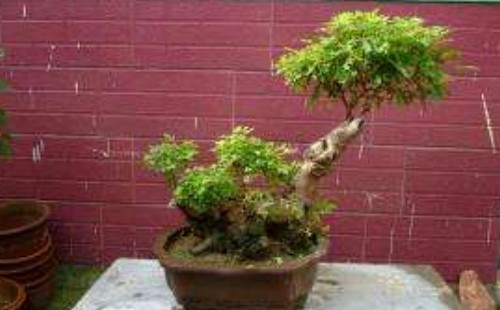
What are the maintenance methods for a Vitex bonsai with a gnarled trunk?
The Vitex bonsai with a gnarled trunk has a highly variable shape, evergreen branches and leaves, and blooms with purple flowers accompanied by a faint fragrance, giving it extremely high ornamental value. At the same time, Vitex also has tenacious vitality and can adapt well to harsh growing environments. Vitex not only likes light and warmth, but is also shade-tolerant and cold-tolerant, and it is not demanding about soil
-
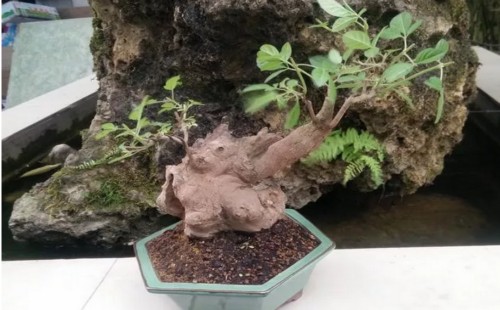
Care Methods and Techniques for Vitex Bonsai After Transplanting
After the old Vitex (Vitex negundo) stumps are collected and brought back, they generally need to be pruned and shaped in time, and once the basic form is established, they should immediately be grown out for root development. They can be transplanted into a large flower pot or grown in the ground, but for ease of management, they are generally still transplanted into a large flower pot. Whether the care and management work after transplanting the Vitex bonsai is done properly
-
What soil is best for Vitex bonsai? Detailed soil mixing methods
Growing bonsai well requires meeting quite a few conditions. Besides doing the daily maintenance and management work such as lighting, watering and fertilizing, pruning, shaping, and repotting, we also need to get the foundational work right. That is, the use of soil must be scientific and reasonable, and must suit the growth of the bonsai tree.
-
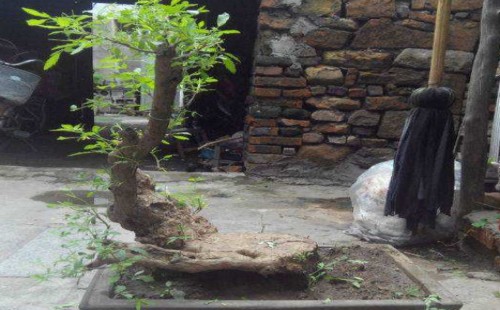
What kind of growing environment is suitable for a Vitex stump bonsai?
Vitex stumps are one of the finest materials for making bonsai. Old Vitex stumps generally have rough, coarse bark and a strong sense of weathering and age. In addition, their shapes are oddly fantastic, with trunks that are either naturally curved or slanting and gnarled, and with relatively short internodes. Made into bonsai for appreciation, they have very high ornamental value. So
-
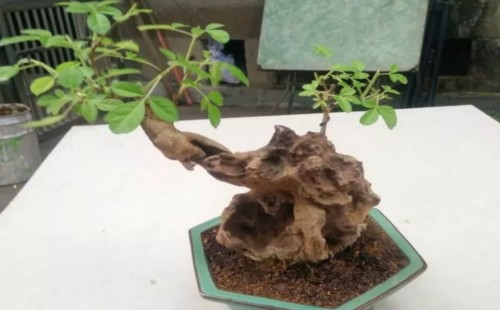
How to water a Vitex bonsai correctly in the early stage
Vitex (Vitex negundo) is an extremely tenacious tree species. It is not only undemanding about the soil environment, but also has fairly strong adaptability to its surroundings, so it is very widely distributed in China. Because Vitex is relatively easy to shape, especially old stumps, which look ancient in trunk yet have very fresh green leaves, the two form a sharp contrast
-
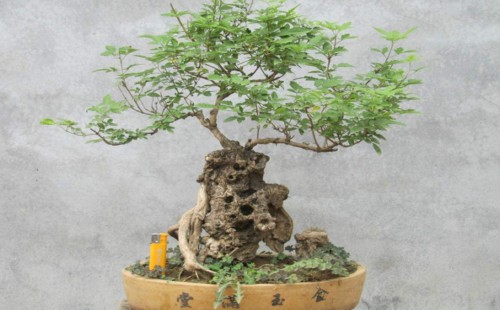
Correct Methods and Techniques for Leaf Removal and Leaf Reduction in Vitex Bonsai
Vitex bonsai (Vitex negundo) not only has a peculiar tree shape, but its leaves are also very verdant, so its ornamental value is extremely high. However, its bizarre and strange shaping effects are often created artificially rather than being innate. That said, the branches of the environment are relatively hard, and their toughness is relatively poor.
条件筛选