-

What to Do About Root Rot in Anthurium? Cause Analysis and Treatment Methods
If a soil-grown anthurium develops root rot, it is mostly caused by root rot disease. First, the rotten roots must be cut off and then disinfected. After that, some chemicals can be sprayed, such as metalaxyl. If a water-grown anthurium develops root rot, the most likely cause is a water quality problem. The first thing to do is likewise to cut off the rotten roots and disinfect them. Then, change the water frequently; the requirements differ by season. The water level also needs attention: about one third of the container. When necessary, measures can be taken to increase the oxygen content in the water.
-

-
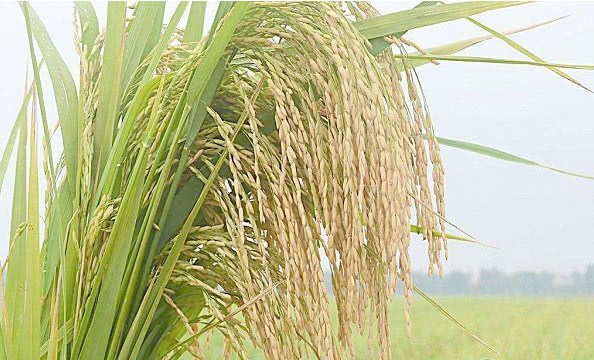
Causes and Control Methods of Rice Bakanae Disease
What should you do when rice shows bakanae disease? Rice bakanae disease is commonly known as "male rice." Once it appears, it is bound to affect the normal growth of rice. Next, focusing on this problem, we will explain in detail the causes and control measures of rice bakanae disease.?I. Disease development...
-
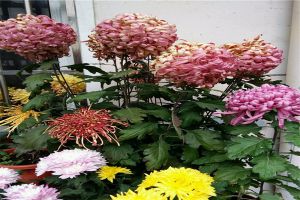
What to Do When Chrysanthemum Leaves Develop White Spots? Causes and Control Methods
There are two reasons it develops white spots: one is that it has contracted powdery mildew, and the other is that it has contracted white rust. For the former, the treatment is to clear away the grass that has overwintered, then water it and apply nitrogen fertilizer; we need to prune the branches and remove leaves, and spray with carbendazim and the like about three times. For white rust, on the other hand, phosphorus and potassium fertilizers should be increased, drainage should be improved and weeds removed, and zineb and similar substances should be applied.
-
What are the causes of root rot in orchids and what are the prevention methods?
Causes and Prevention Measures of Orchid Root Rot
-

What to Do About Root Rot in Carnations? Cause Analysis and Prevention Methods
If a carnation's roots rot, the beauty of its flowers will be affected. So what should we do? First, determine whether it is a disease problem or a soil problem. If it is the former, we need to cut off the rotten roots, then spray medicine for treatment, and afterward strengthen management by increasing the application of P fertilizer and K fertilizer. If it is the latter, we also need to first cut off the rotten roots, and then replace the soil with a flower soil that has better aeration.
-

What to Do About Root Rot in Yew? Cause Analysis and Treatment Methods
When growing yew, root rot sometimes occurs. The main specific causes include overwatering, using unrotted fertilizer or over-fertilizing, insufficient light, and underground pests or diseases. To address these, we need to use methods such as controlling water, controlling fertilizer, supplementing light, and killing pests to remedy the situation.
-
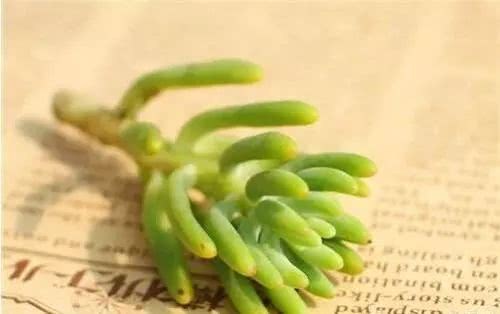
Use these four rooting methods for succulents, and they will root several times faster than before
Succulents have a hard time rooting when the temperature is too high or too low. Is there any way to make succulents root faster? 1. Air rooting method: Place the rootless succulent in a relatively dark and humid environment. After aerial roots grow...
-

What to Do When a Kalanchoe Has Root Rot? Cause Analysis and Rescue Methods
After it develops root rot, here is what you can do. First, take it out of the pot and cut away the rotted tissue. Next, apply a disinfecting agent to the wounded areas. Then, prune away some useless or dry, yellowing branches and leaves. Finally, do cuttings, and after a few days just care for it normally.
-
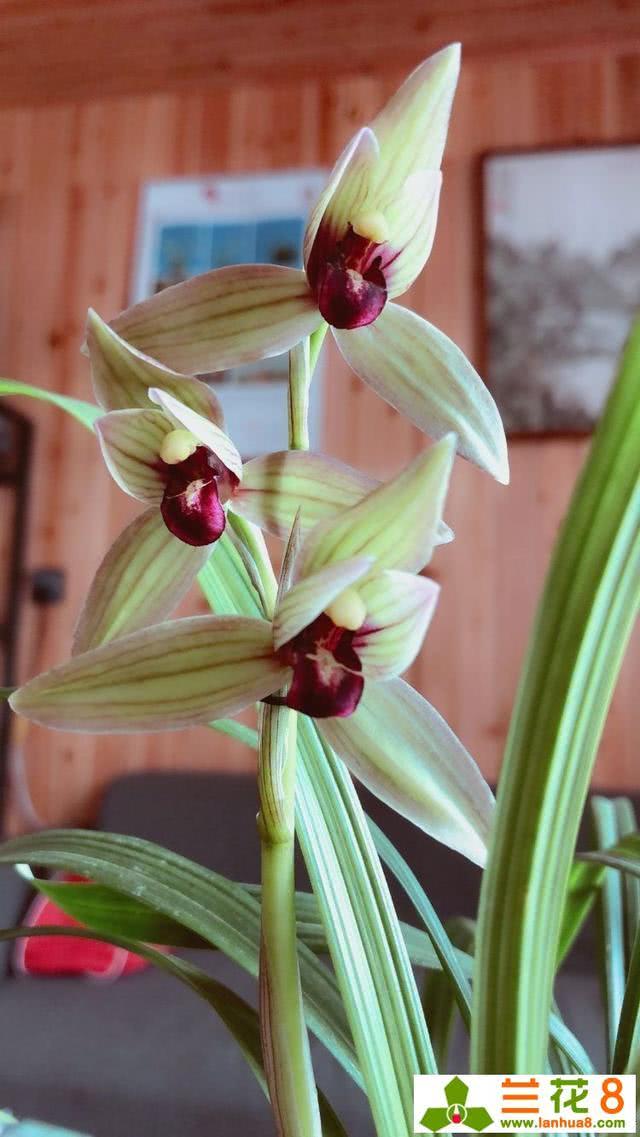
What to Do About Orchid Leaf Tip Burn? Cause Analysis and Prevention Methods
Orchid leaf tip burn affects the ornamental value. I believe every orchid grower has encountered orchid leaf tip burn to some degree. Regarding the phenomenon of orchid leaf tip burn, orchid books generally cite two causes: first, excessive nitrogen fertilizer, heavy pesticide application, overly strong light, inadequate frost protection...
条件筛选