Use these four rooting methods for succulents, and they will root several times faster than before
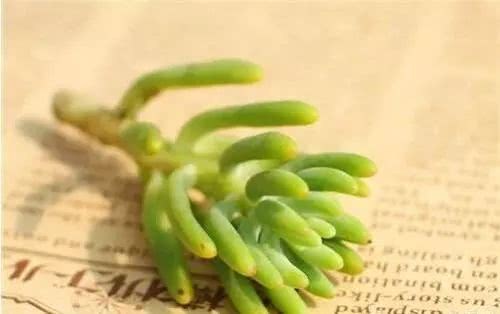
Succulents have a hard time rooting when the temperature is too high or too low. Is there any way to make succulents root faster?
1. Air rooting method
Place the rootless succulent in a relatively dark and humid environment. After aerial roots grow, you can use an idle glass bottle at home or something similar to rest the succulent on the mouth of the bottle, or you can rest the succulent on a small black square pot or a plug tray to root. Since roots are photophobic, placing it in such a black container is more conducive to rooting.
2. River sand rooting method
It is best to choose finer river sand. It is best to wash it so that the mud in the river sand is rinsed away, then let it dry until it is slightly moist, and place the rootless succulent directly on the river sand. In this way, the rooting speed is not slow and black rot is not likely to occur. Many succulent greenhouses also use pure sand for planting, and the rooting effect is quite good. Moreover, the new roots that grow are also very clean, making this very suitable for home use.
3. Vermiculite rooting method
Vermiculite is a natural, non-toxic mineral that expands under high temperatures. Expanded vermiculite treated at high temperature has good air permeability, strong water absorption, small temperature changes, and a sterile effect, making it very suitable for succulent rooting. However, vermiculite also has a drawback: it retains too much water, and there is also the possibility of causing the succulent to turn to water and rot. Therefore, Paopao suggests using it best mixed with other planting materials, with only a thin layer of vermiculite spread on the surface. In this way, after new roots grow, they will pass through the surface layer of vermiculite and reach into the planting soil below, which is relatively safe and will not lack nutrients.
4. Hydroponic rooting method
The hydroponic rooting method is more suitable for some old-stem succulents that are relatively difficult to root. Although they can root, it also comes with the risk of turning to water and black rot, so it is more suitable for rescuing succulents that are already almost hopeless. Prepare a packet of rooting agent and a bottle filled with water; either a glass bottle or a plastic bottle will do. Pour a small amount of rooting powder into the water, shake gently until the water becomes cloudy, and place the succulent in a place with bright, indirect light and good ventilation. It may take one or two weeks, and the succulent will grow new roots. When the roots have grown to a certain length, you can take it out and transplant it into a flowerpot for normal care!