Causes and Control Methods of Rice Bakanae Disease
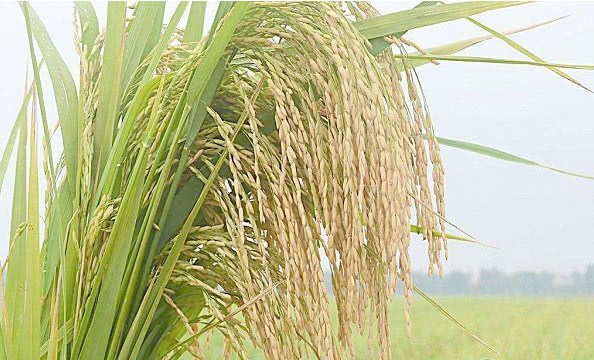
What should you do when rice shows bakanae disease? Rice bakanae disease is commonly known as "male rice." Once it appears, it is bound to affect the normal growth of rice. Next, focusing on this problem, we will explain in detail the causes and control measures of rice bakanae disease.
?I. Disease development pattern
The pathogen mainly overwinters as conidia attached to the seed surface or as mycelium latent inside the seeds. The mycelium latent in rice straw and the perithecia growing on rice straw can also overwinter. The pathogen is mainly spread by diseased seeds. After diseased seeds are spread, the seedlings will be damaged. The pathogen expands semi-systemically within the plant body and secretes gibberellin to stimulate cell elongation, causing excessive vegetative growth. The mycelium of undecomposed diseased rice straw can also cause the disease. During the growing period in the paddy field, conidia spread by wind and rain and invade through plant wounds, causing secondary infection.
?II. Disease symptoms
It can occur from the seedling stage to the heading stage. In the seedling stage, diseased plants are nearly 1/3 taller than healthy plants, are slender and weak, have narrower leaves, elongated leaf sheaths, pale green leaves, poorly developed roots, and a reduced number of root hairs, sometimes with excessive root branching. Diseased plants in the seedling bed mostly die before transplanting or after transplanting. About one month after transplanting into the paddy field, diseased plants appear. The symptoms are similar to those at the seedling stage: few or no tillers, significantly elongated internodes, nodes exposed outside the leaf sheaths, and many adventitious roots growing from them, especially at the basal internodes. This is the characteristic feature of this disease.
III. Disease occurrence period
1. Pathogen source: When selecting seeds, choose rice varieties that carry few pathogens. The higher the seed infection rate, the more severe the disease, but bakanae disease is not a quarantine disease.
2. Environment: The most suitable temperature for bakanae disease fungus to induce excessive vegetative growth is 35°C-31°C. It cannot grow above 40°C or below 2°C.
3. Management: If the temperature for sprouting is too high and the seedling bed is managed at high temperatures, the disease is relatively more severe.
?IV. Control methods
1. Self-prevention: Buy qualified seeds and varieties that carry few pathogens.
2. Chemical control: Soaking seeds with carbendazim, methylene dithiocyanate, or prochloraz alone can no longer achieve effective control of bakanae disease. It is recommended to use 25% phenamacril suspension concentrate (Jinhu) for seed soaking.
3. When bakanae disease occurs: For control methods when bakanae disease occurs in the seedling bed, it is recommended to dilute and spray it on the seedling bed, which can control bakanae disease.