-
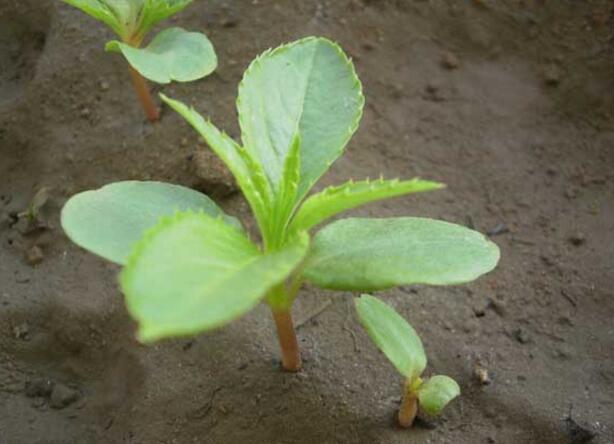
How to propagate Impatiens? Two methods: sowing and cuttings
Impatiens is a fairly common plant in people's daily lives, and one that many plant lovers enjoy growing. When it blooms, that is also its most beautiful moment; generally, when propagated well, its flowering period can even be extended. So how do you propagate Impatiens? There are actually roughly two methods.
-
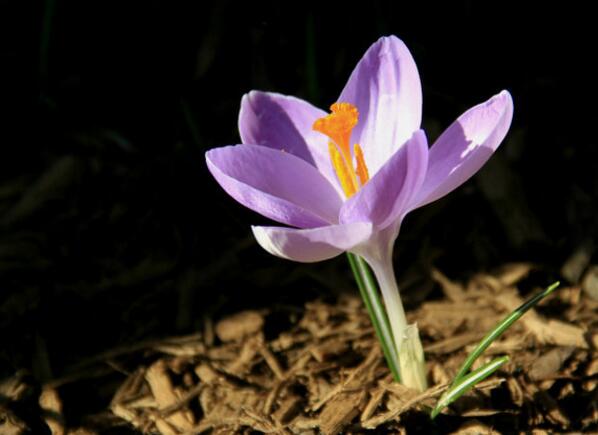
How Does Saffron Crocus Reproduce? A Detailed Guide to the Two Methods: Division of Corms and Sowing Seeds
Saffron crocus is a plant with outstanding ornamental value. As for how saffron crocus reproduces, it can roughly be divided into two methods: division of corms and sowing seeds. The survival rates of both methods are relatively high. As for what the reproduction methods of saffron crocus specifically involve, let us walk you through them below.
-

How to Propagate Oleander? Two Methods with High Survival Rates from Spring Cuttings
Oleander, an ornamental plant, is toxic, yet its beauty and its medicinal value are beyond doubt, which is one of the reasons people plant oleander even knowing it is toxic. Because of oleander's benefits, mass propagation is imperative, so how do you propagate oleander?
-
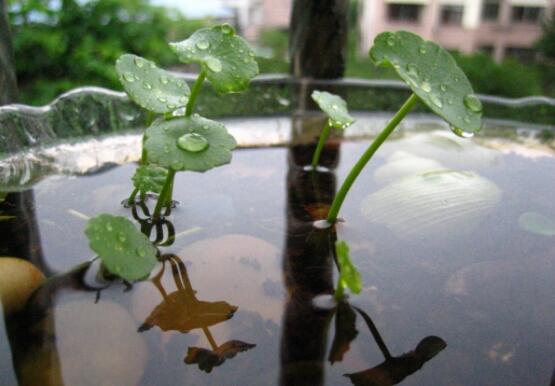
How to grow creeping Jenny seeds in water? A detailed guide to two propagation methods
In our guide on how to grow creeping Jenny, we introduced potted creeping Jenny, but flower lovers should know that creeping Jenny can be grown without soil, which means it can be grown in water. So how do you grow creeping Jenny seeds in water? In fact, among the many plants out there, creeping Jenny is one of the easiest to grow in water, so there is no need to worry about whether it will succeed.
-

What to do when Photinia × fraseri leaves turn yellow? Two methods to make the leaves redder and the new leaves more numerous
We know that Photinia × fraseri leaves are fiery red in spring and bright green in summer, but if you do not understand how to grow Photinia × fraseri, you may well never see this beautiful sight, and it may even cause the leaves to turn yellow. So what should you do when Photinia × fraseri leaves turn yellow? The editor will tell you the causes and the solutions.
-
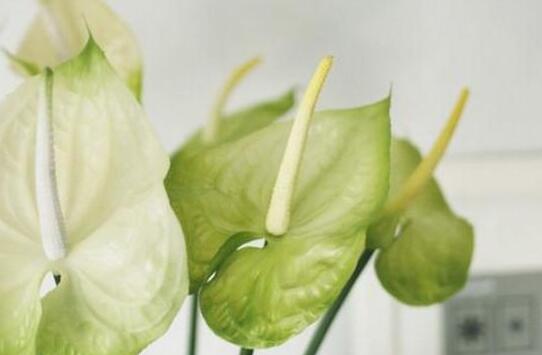
What to Do When Peace Lily Flowers Turn Green? Two Methods to Restore the Pure White Color
Normally, peace lily flowers are mainly white with a slight greenish tint, but some people find that their peace lily flowers have turned from white to green, which is very puzzling. So what should you do when peace lily flowers turn green? Here are two methods to restore them to normal.
-
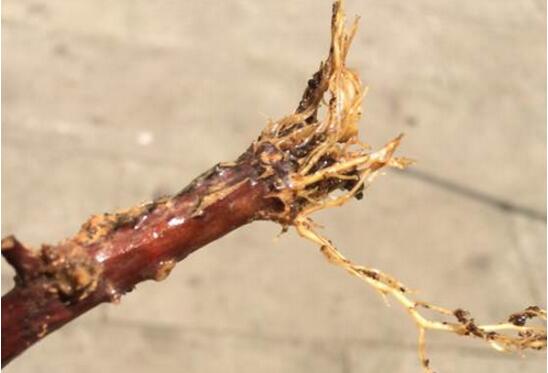
What to Do About Root Rot in Bougainvillea? Two Methods to Deal With Overwatering and Compacted Soil
As a highly ornamental plant, bougainvillea (Bougainvillea spp.) should be familiar to everyone. It looks truly beautiful once it blooms, so many flower lovers grow it in pots at home. However, during the growing process, there are always some aspects that are not done quite right, which leads to symptoms of root rot. So what should you do about bougainvillea root rot?
-

Pinellia ternata cultivation techniques (part two): detailed planting methods
(1) Propagation methods Pinellia ternata is mainly propagated by tubers and bulbils, and can also be propagated by seeds. ① Tuber propagation After Pinellia ternata has been cultivated for 2 years, the underground tubers can be dug up after the stems fall over in June, August and October each year. Select small tubers about 0.5 cm in transverse diameter that are robust and free from pests and diseases as seed. Mix the seed tubers with semi-dry, semi-moist fine sandy soil, store them in a ventilated and cool place, and take them out for planting in the winter of the same year or the spring of the next year. Planting in the spring of the next year is preferable. With a row spacing of 15 cm, open furrows 10 cm wide and about 5 cm deep, and arrange two staggered rows in each
-
How to pickle sweet garlic? A detailed introduction to two preparation methods
Method 1: Choose purple-skin garlic, remove the fibrous roots, leave 1.5 cm of the garlic stalk, peel off 1-2 layers of outer skin, and wash clean. For every 100 kg of garlic, prepare 3 kg of salt and 3 kg of clean water. When putting it into the jar, add one layer of garlic and one layer of salt, and sprinkle a little clean water. To make it easier to turn the jar, add water to the jar on the night the garlic goes in, until the water is level with the garlic. After adding water, stir and turn once by hand, and turn it again the next morning. Starting from the 3rd day after going into the jar, for 3 consecutive days, change the water once a day to remove the spicy taste. Take it out, drain the water for 1 night, and put it into the crock the next day. For every kg of garlic, add white
-
Two Processing Methods for Dehydrated Garlic Slices and Sweet-and-Sour Pickled Garlic
1. Dehydrated garlic slices: Select fresh garlic bulbs that are well matured, free of injuries, pests and diseases, white in color and large in size. After removing the stems, separating the cloves and peeling, slice them while wet, then rinse in an aqueous citric acid solution to reduce the activity of garlic enzymes. Note that rinsing must be completed within 24 hours after slicing, so as to prevent the garlic slices from producing colored pigments due to oxidation, which would affect the color of the finished product. Place the rinsed garlic slices in a temperature-controlled dehydrator and dry them in three stages: keep the temperature at around 60°C in the early stage, increase it moderately in the middle stage, and keep it above 70°C in the late stage, but it must not exceed 78°C, so as to prevent the garlic slices from scorching, which would affect flavor and color. When the moisture content of the garlic slices drops to about 5%, the finished product is obtained.
条件筛选