How to propagate Impatiens? Two methods: sowing and cuttings
Impatiens is a fairly common plant in people's daily lives, and one that many plant lovers enjoy growing. When it blooms, that is also its most beautiful moment; generally, when propagated well, its flowering period can even be extended. So how do you propagate Impatiens? There are actually roughly two methods. As for what specifically needs attention in Impatiens propagation methods, the editor below will walk everyone through it.
I. How to propagate Impatiens / sowing / cuttings
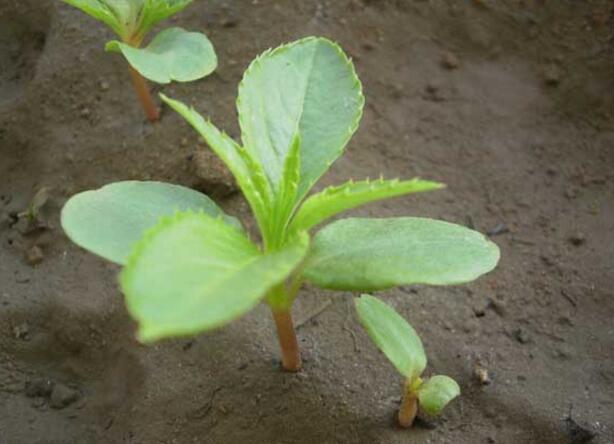
Many people online say Impatiens cannot be grown from cuttings, but this claim is wrong, because according to records there are indeed cases of successful Impatiens cuttings. As for how to propagate Impatiens, it can roughly be divided into two methods, sowing and cuttings; everyone can read on for the specific details.
II. Impatiens propagation methods
Propagation by sowing
1. Early-stage sowing
Sowing is the most common of the Impatiens propagation methods. Generally, sowing can be done from March to September each year. Before sowing Impatiens, the seedbed must first be watered and made wet, because Impatiens seeds are relatively small; if you water after sowing, it is easy to wash the seeds away, so everyone should remember this point.
Note: If you choose to sow during the hotter summer weather, be sure to do the shading work well. Generally, placing it in a semi-shaded spot is best, as this ensures Impatiens can absorb sunlight without being scorched by direct sun, so everyone must get this balance right.
2. Later-stage care
To propagate Impatiens well, besides doing the early stage well, later care is also very important. The growing period of Impatiens is generally from April to September each year. Generally, about a week after sowing is completed, it will sprout and grow leaves. After it is established, it is best to pinch off the growing tips, as this can enhance the branching ability of Impatiens. After Impatiens blooms, promptly cut off the flower bases, as this can make Impatiens bloom more abundantly.
Note: Besides the above points, watering is an essential part when growing any plant, because this is the plant's main nutrient source. In summer you can choose to water more, and in winter water less; remember this point.
Propagation by cuttings
Cuttings are a relatively rare one among Impatiens propagation methods, and many people even think it cannot be grown from cuttings. However, after searching through a lot of material, the editor still found successful cases of Impatiens cuttings. The method is as follows; everyone can take a look.
For Impatiens cuttings, generally a 10×10 seedling plug tray is used. The substrate can be peat ash, crushed wood shavings and vermiculite, mixed at a ratio of 4:3:3. After mixing, put it directly into the seedling plug tray, then take cuttings from the mother Impatiens plant. Note here that the cutting must retain three nodes. After inserting the cutting, be sure to water immediately. With this method, roots can form in 10-14 days, and the survival rate of rooting is as high as over 98%.
Sowing and cutting propagation methods for African Impatiens
The commonly used propagation methods for African Impatiens include two: sowing and cuttings. Both propagation methods can be carried out year-round, and generally propagation in spring and autumn is better. Flower lovers can choose a suitable propagation method according to their own conditions. Below, the seed sowing and cutting propagation methods for African Impatiens are organized separately, hoping to help flower lovers propagate African Impatiens better.
African Impatiens propagation method 1: Sowing propagation methodAfrican Impatiens can be sown year-round. Prepare African Impatiens seeds; African Impatiens seeds are tiny, with 1700-1800 seeds per gram. When sowing, use a mixed soil of sterilized culture soil, leaf mold and fine sand. The suitable germination temperature is 22°C, and germination occurs 15-20 days after sowing. The suitable germination temperature for New Guinea Impatiens is 24-26°C, and germination occurs 7-14 days after sowing.
1. Cutting propagation methodAfrican Impatiens cutting propagation can generally be carried out year-round, but cutting propagation in spring and autumn is best. First select a robust top shoot 10-12 cm long, and insert the shoot into a sand bed. In an environment of 20-25 degrees, generally about three weeks after inserting the cutting it can root and survive.
Does New Guinea Impatiens produce seeds? How do you propagate New Guinea Impatiens?
[Common question] Does New Guinea Impatiens produce seeds? How do you propagate New Guinea Impatiens?
[Expert answer]
Image: New Guinea Impatiens
The propagation methods of New Guinea Impatiens include two: cuttings and sowing, so New Guinea Impatiens does produce seeds. During the cultivation of New Guinea Impatiens, when it blooms, attention should be paid to artificial pollination, as only then will it set seed, but the seed yield is very low.
(1) Cuttings
Cut robust shoots from the mother plant, about 6-7 cm long. When inserting the cutting, cut the lower end flat, keep 5-6 leaves, and remove the remaining lower leaves. Quickly dipping the cutting in 2000-times naphthalene acetic acid solution can promote rooting. For the first 3 days after inserting the cutting, you can cover the seedling tray with plastic film to maintain 95% air humidity, and open it for ventilation for 10 minutes at noon and in the afternoon. After 3 days, gradually reduce the air humidity, and rooting begins in about 7-10 days.
(2) Sowing
Use plug tray seedling cultivation. The sowing substrate can use sifted peat soil and sandy soil mixed at a ratio of 3:1. High-temperature sterilization of the substrate can prevent seedling-stage diseases; do not use second-crop soil for seedling cultivation. After the container is fully soaked in water, sow the seeds by dibbling, placing the seeds flat in the cells, and covering them with a very thin layer of vermiculite, which can maintain the humidity of the seed environment and serve to fix the seeds. The suitable temperature for seed germination is 22-25°C, and germination will be completed within 7-10 days.
[Editor's summary]
New Guinea Impatiens is a common indoor ornamental flower, but during the planting process, propagation is mainly by cuttings, because New Guinea Impatiens does not produce many viable seeds. The First Agricultural Economics editor has introduced to you in this article that New Guinea Impatiens does produce seeds, and also introduced the propagation methods of New Guinea Impatiens, hoping it is helpful to you.