Hosta tubers sprout seedlings in a flower pot and produce charming flowers in less than two months
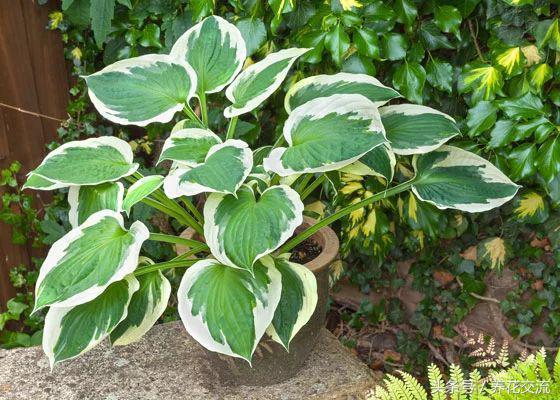
I really like growing some shade-tolerant plants under the small grove in the backyard. The sunlight in the backyard is not very plentiful, so I need to grow some plants that do not need too much light, and my favorite is the hosta. It has very low light requirements, and with just a little scattered light it can bloom. Below I will introduce to you the hostas I propagated from tubers.
Hostas are generally propagated from tubers. You can directly buy a pot of hosta, and after two or three years you can repot it, then divide the tubers at the base, and you can keep propagating them.
According to my hosta care records, from its tuber sprouting to blooming generally takes more than three months, and some even need a longer time.
Some friends just throw their hostas away after the plants wither in winter. In fact, as long as the rhizomes are not frostbitten, hostas can grow again, and they will sprout again after the weather warms up in spring.
I have been growing this pot of hosta for four years, and the tubers at the base have already filled the entire pot. When I repotted it, I transplanted it again and recorded its growth.
Hostas grow relatively fast. When its tubers have just sprouted, they grow about 2 cm per day. After half a month, growth gradually slows down, and after about a month it will have grown very tall.
There are well over a hundred hosta varieties. The most common are the ones with emerald green leaves, and some have alternating green and white stripes, with different forms. It prefers a cool and shady environment. The plant is relatively short and suitable for pot cultivation. In summer and autumn it produces very long flower scapes, which bear bell-shaped flowers with a charming, delicate fragrance.
Hostas do not die in winter. Some leaves may wither, and this is their dormancy. After the leaves fall, it is to store nutrients, and when the weather warms up the following spring, they can sprout new shoots again.
After the weather warms up in spring, the small shoots of the hosta gradually sprout. At this time you can give it a little water. During the winter dormant season, watering should be controlled. You can wait until the soil is completely dry and then give just a little clear water, and that is enough.
After hostas sprout, they grow very quickly. In about a week they can grow to 5 to 7 cm tall, growing very fast. At this time you can water appropriately and keep the soil suitably moist.
After about ten days, the hosta leaves have fully unfurled, and the plant has grown to about 7 or 8 cm.
After half a month, the hosta leaves have grown to 20 cm tall. At this point its growth begins to slow down, the leaves gradually unfurl, and growth becomes more vigorous.
At this time it is roughly late spring, and you can regularly add some organic fertilizer water, which helps it grow better. The leaves will grow more vigorously, and it also helps promote flowering later.
After about 20 days, the hosta has filled a pot. At this time, be careful to prevent waterlogging in the soil, but do not let the soil become overly dry either. You can keep the soil suitably moist.
Hostas are particularly easy plants to grow. With proper care they will keep growing, and in about a month they can become a lush potted plant.
It likes the continuous rainy environment of spring. At this time, be careful to prevent pests and diseases. Hosta leaves are the favorite of snails and slugs.
If you find snails and slugs active nearby, be sure to remove them promptly. You can scatter some crushed eggshells or coffee grounds around them to keep them away.
After about three months of hosta care, that is, in summer, it can produce charming flowers. The flowers produced by this pot of hosta are white, very delicate, and the clusters of small flowers look especially lovely.
After the hosta flowers are fully open, you can see very charming little flowers, one after another, looking like little bells and carrying a captivating, delicate fragrance.