-
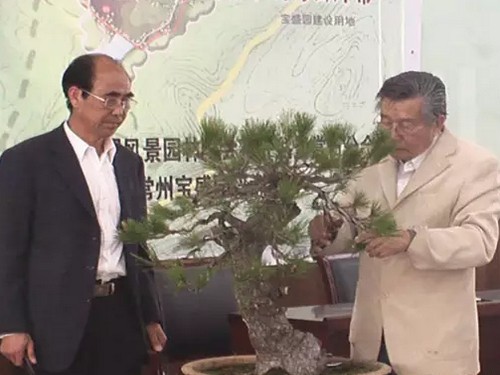
Pine Bonsai Styling Techniques: A Guide to Help You Create a Beautiful Tree Form
Every living thing in nature is influenced by other living things, and people intervening in the growth of pine trees through technical means is one expression of this influence. Even today, this phenomenon still exists, and this is the prevalence of potted plants. Pine trees hold a very good meaning in traditional Chinese culture, symbolizing a firm and resolute character
-
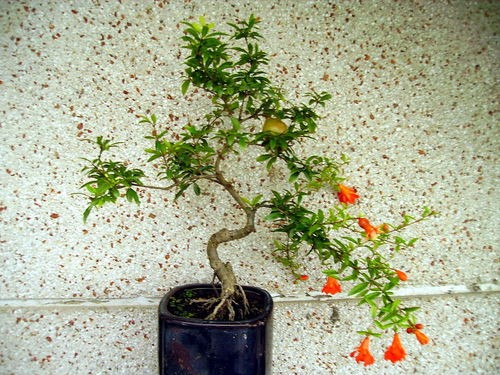
Detailed Guide to Shaping and Pruning Pomegranate Bonsai: Prune Your Way to a Beautiful Tree Form
Shaping and Pruning Because pomegranate branches are fine, dense and tangled, pruning is needed to achieve an attractive plant shape. Generally, pomegranate can be trained into a single-trunk round-headed or flat-topped form; it can also be trained into a clump-forming spreading shape; and it can also be made into bonsai pomegranate. Use thinning and heading cuts to remove dead branches, water sprouts, crossing branches, diseased and weak branches, and dense angular
-
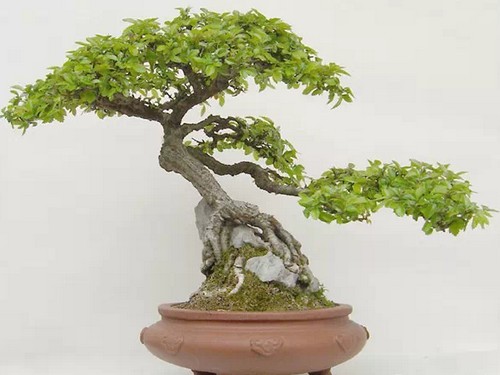
A detailed guide to shaping Chinese elm bonsai to create a beautiful tree form
When buying a Chinese elm bonsai, you must carefully examine the trunk. The fresher the raw trunk material, the better. Do not assume that a withered, decayed trunk has more charm. Some even have poorly developed root systems. Beginners should first keep the Chinese elm alive, then gradually shape it! The processing and shaping of Chinese elm can be carried out by combining pruning with wiring.
-
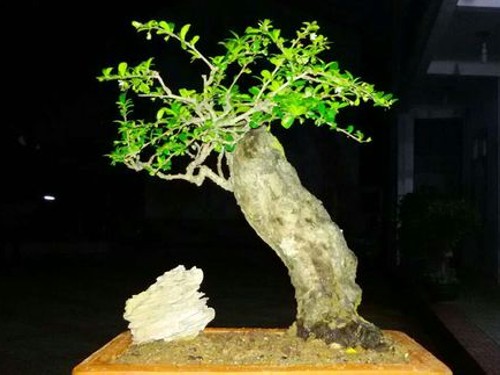
Detailed explanation of Fujian tea bonsai styling methods, easily shaping a graceful tree form
To make a Fujian tea bonsai, you can select robust one-year-old branches or semi-lignified branches of the current year for cutting propagation in spring or the plum rain season; you can also use root cuttings from early summer to early autumn to obtain seedlings; in the south, you can also dig up wild stumps or young trees in the woods, and after cultivating the stock until it survives, process it and pot it
-
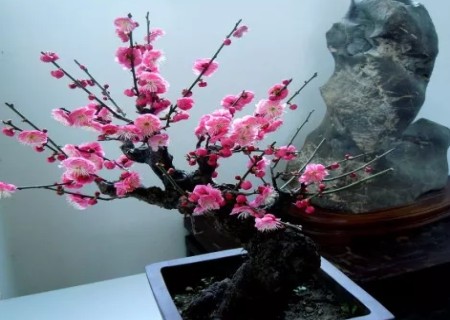
How to shape a plum blossom bonsai? Master these methods for a more beautiful tree form
From ancient times to the present, the plum blossom has always been seen as a symbol of unbending integrity, braving the harsh winter and blooming alone in the cold. If you make a plum blossom into a bonsai and place it in your home, it is not only very elegant but also excellent in both color and fragrance, bringing a delightful enjoyment. However, to obtain a specimen that is durable for viewing
-
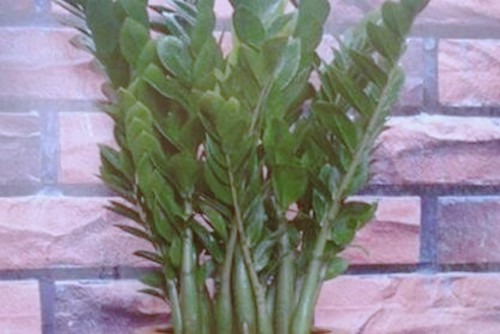
How do you care for the money tree, the best plant for absorbing formaldehyde? Six tricks to make it thrive without yellowing
The money tree is a landscaping plant we are all fairly familiar with, but its scientific name is not money tree, it is Zamioculcas zamiifolia (ZZ plant). If someone asks you next time what Zamioculcas zamiifolia is, you will know it is the money tree. The money tree is unanimously recognized as the best plant for absorbing formaldehyde. So how do you grow a money tree so it thrives? What should you do if the leaves turn yellow?
-
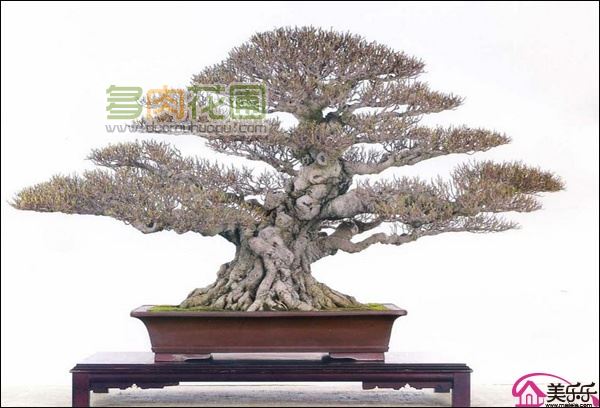
How do you cultivate an aged, ancient-looking tree form in a banyan bonsai?
Stump bonsai value an aged appearance, yet wild, aged banyan stumps are very limited. In recent years, more and more are being shaped by cultivating young trees and wiring them into form. To make the trunks and roots of young trees look aged, the following artificial processing methods can be used: (1) Aluminum wire wiring. Wrap soft aluminum wire around the trunk; when the aluminum wire is about to cut in, loosen it
-

Why Is the Money Tree the Best Plant for Absorbing Formaldehyde? Benefits and Key Growing Points
A recent article titled "Alibaba P7 Employee Dies of Leukemia, Had Rented a Ziroom Apartment with Excessive Formaldehyde" has once again become a public focus. Amid the inner panic, many people have also raised this question: Can formaldehyde cause leukemia? People dare not move into a newly renovated home for fear of excessive formaldehyde.
条件筛选