-
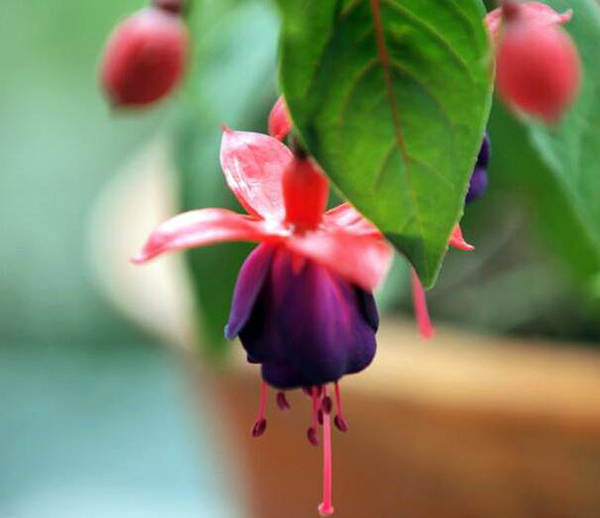
How to Grow and Care for the Fuchsia: Daily Care Tips
Soil requirements: For potted fuchsias, the growing medium should be fertile, loose, and well-draining potting soil. Generally, a uniform mix of leaf mold, sandy loam, decomposed organic fertilizer, and phosphate fertilizer can be used, without applying a base fertilizer, to avoid root rot. Heavy, compacted soil is detrimental to the growth of fuchsias and is even less suitable for newly rooted cuttings.
-
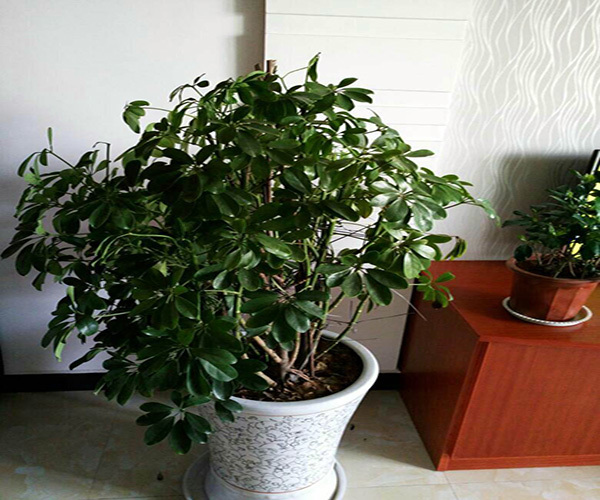
How to grow a money tree so it thrives? Mastering these care tips is key
1. Soil: It needs soil rich in organic matter, with good permeability and strong water- and fertilizer-retention capacity. 2. Watering: Generally water twice a week; do not overwater, as this can cause rot and waterlogging. In winter, moisture should be strictly controlled, which helps it survive the winter safely.
-

-
How to grow Gerbera daisies best? Cultivation methods and seed planting tips
1. When caring for Gerbera daisies, special attention must be paid to the diseases that may affect them. 1. Phytophthora rot: The key to prevention and control is that continuous cropping soil must be disinfected with Vapam and formaldehyde, etc.; see the instructions for usage method and dosage; plant shallowly, with the root crown exposed about 1 cm above the surface; prevent the soil from being too wet.
-
Is Snake Plant Poisonous? Growing Methods, Bedroom Placement, and Tips to Encourage Side Shoot Growth
Snake plant is a perennial herbaceous foliage plant with creeping rhizomes and linear lanceolate leaves. It has strong adaptability and does not demand much from its growing environment, making it very suitable for decorating living rooms, studies, and similar spaces. Besides being ornamental, its biggest feature is its ability to purify the air. According to experts
-
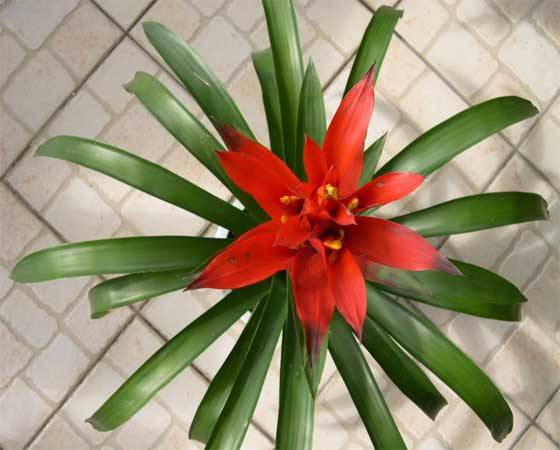
How to care for a Bromeliad 'Fortuna'? Master these care tips
1. Beautiful flowers are indeed a bit more delicate. In dry, stuffy, or low-temperature conditions, the leaf edges and tips of the Bromeliad 'Fortuna' easily develop scorch marks, so keep the potting soil moist, spray clear water on the leaves 1-2 times a day, and the cup-shaped part in the center of the leaf rosette can be filled with clear water
-
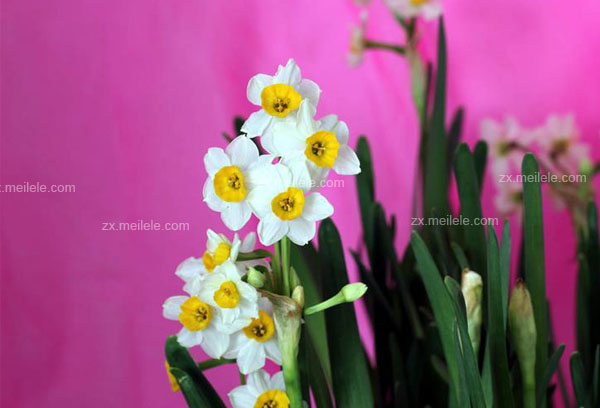
Narcissus growing methods and care tips
1. Be particular when selecting bulbs, paying attention to three main points: shape, color, and feel when pressed. Shape: high-quality narcissus bulbs are generally large, flat, and hard, with relatively wide spacing between the vertical vein stripes on the skin, a very taut inner membrane, glossy skin color, and a broad, thick root plate. 2. Choose an appropriate growing environment.
-
Narcissus Growing Methods and Care Tips
1. Be particular when selecting bulbs, paying attention to three main points: shape, color, and feel when pressed. Shape: high-quality narcissus bulbs are generally large, flat, and hard, with relatively wide spacing between the vertical vein stripes on the outer skin, a tightly stretched middle membrane, glossy skin color, and a broad, thick root plate. 2. Choose an appropriate growing environment
-
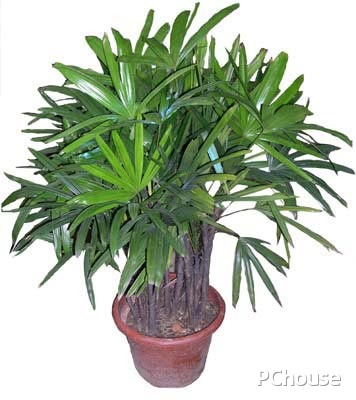
How to grow Rhapis excelsa (broadleaf lady palm)? These care tips make it easy to get started
Because Rhapis excelsa prefers a semi-shaded environment and must not sit in waterlogged conditions during cultivation, the following points should be noted when caring for it: 1. During the growing season, water should be sprayed on the leaves often; it is suitable for growing in pots. 2. Although Rhapis excelsa is shade-tolerant, it still needs appropriate light; too little light will cause the leaves to turn yellow.
-
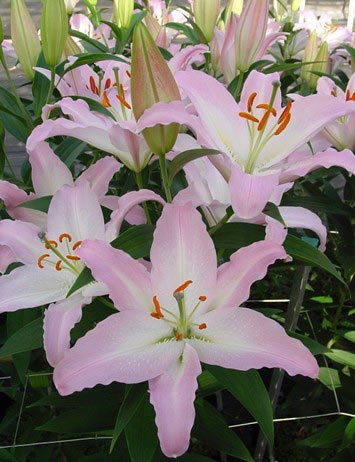
Lily cultivation methods and care tips
The optimal growing temperature for lilies is 15-25°C. Below 10°C, growth slows; above 30°C, growth is poor. During the growing period, daytime temperatures of 21-23°C and nighttime temperatures of 15-17°C are best. Bulbs for forcing cultivation must undergo cold storage at 7-10°C for 4-6 weeks
条件筛选